JoeisaRobot
JoeisaRobot
JoeisaRobot
Explore our flagship catalog featuring commercial cold & hot water dispensers, automated soft-serve kiosks, and state-of-the-art robotic brewers.
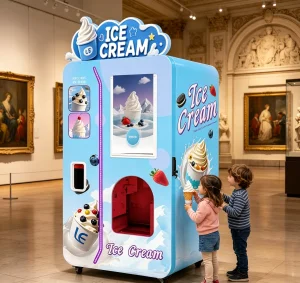
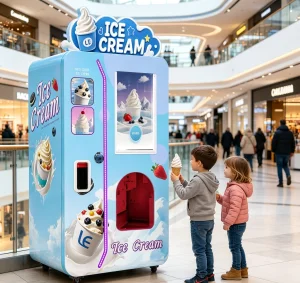
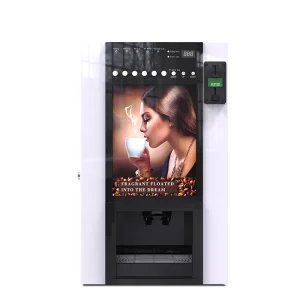
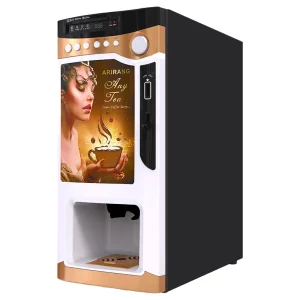
The global fluid dispensing landscape is undergoing a massive transformation. Once defined by mechanical water dispensers requiring heavy physical labor to swap bulky jugs, the sector has transitioned into highly automated, zero-contact dispensing nodes integrated with the Internet of Things (IoT). Buyers are looking far beyond simple hydration; the demand for functional hot drinks, instant beverage powders, coffee, and liquid soft-serve bases is reshaping commercial expectations.
Several underlying megatrends are accelerating this shift:
B2B procurement professionals, wholesalers, and retail operators searching for China's best water dispenser suppliers look for equipment that delivers compliance, durability, and a positive return on investment. Purchasing decisions are heavily dictated by engineering parameters rather than superficial aesthetics:
Electrical safety and material hygiene are non-negotiable. Leading products must maintain CE, RoHS, and IEC 60335 certifications. Compliance guarantees safe operation under varying thermal loads and prevents chemical leaching into potable liquids.
Modern commercial sites require cashless capability. Distributors need modular support for coin acceptors, NFC card readers, and custom SDK software bridges to link payment terminals to cloud networks.
Preventative self-cleaning protocols, air-cooled condenser configurations (which eliminate the need for complicated, failure-prone plumbing), and accessible parts lists minimize long-term operational costs.
Purchasing directly from established manufacturers provides structural pricing advantages, engineering customization depth, and consistent parts availability.
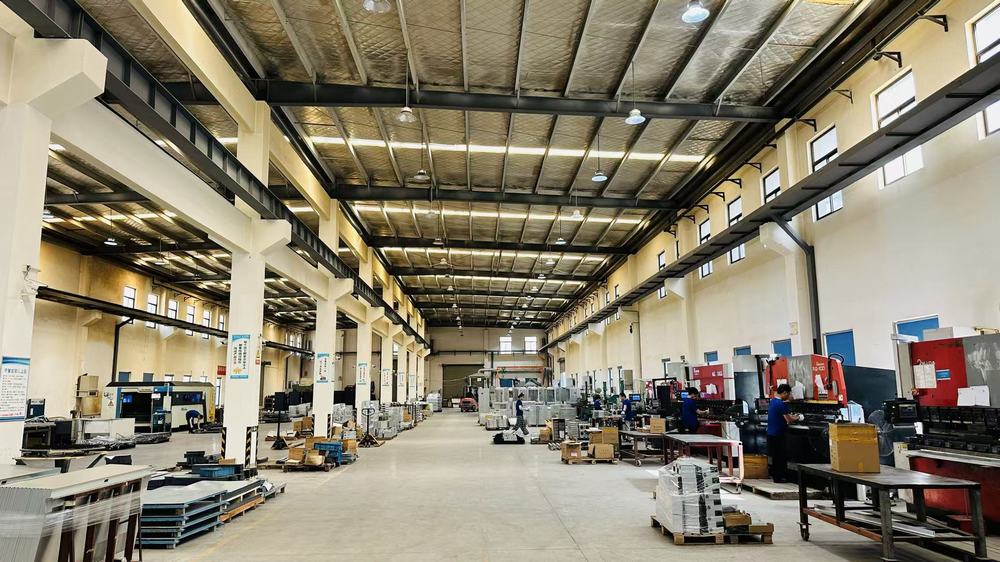
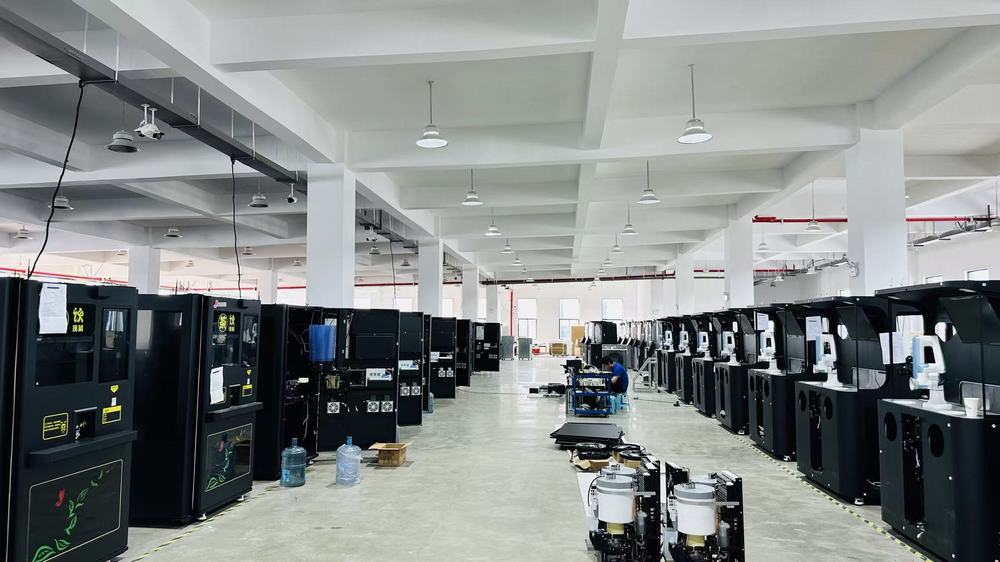
Operating out of a 32,496 m² production hub with 19 years of global trade experience enables us to withstand macro-level supply disruptions. By maintaining direct relations with raw material suppliers and running 6 parallel assembly lines, we achieve an annual output of 134,000 units with complete traceability.
Additionally, our 15 graduate-level research and development engineers guarantee rapid prototyping and light customization capabilities—allowing B2B partners to deploy custom-branded graphics, localized UI languages, and unique beverage configurations with short lead times.
Language Support: Spanish, English, Italian, and Russian-speaking support teams ensure smooth technical integration and seamless post-sale support.
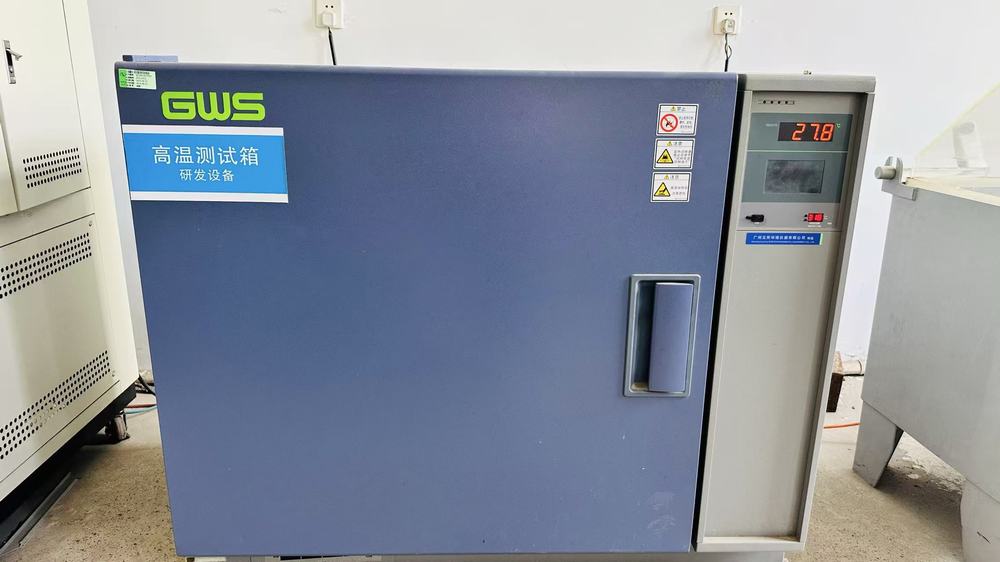
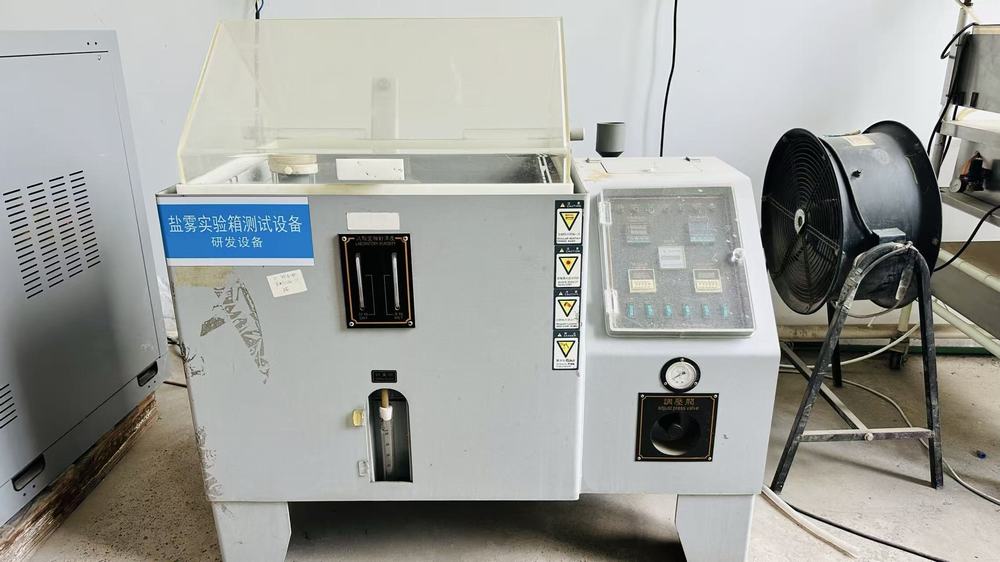
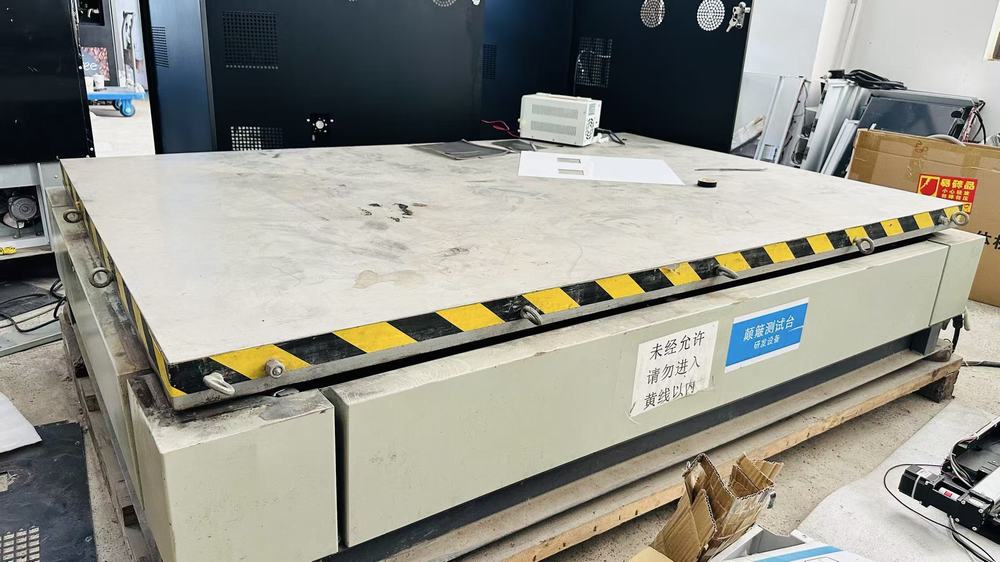
 ISO 9001 (NOA1827667)
 ISO 14001 (NOA1998653)
 Quality Standard Mark
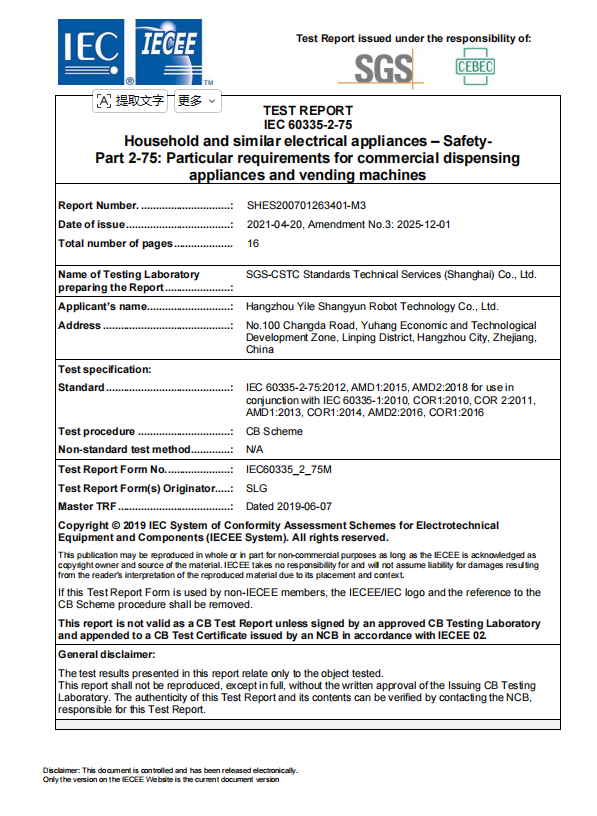
 IEC 60335 Compliant
Deploying dispensing equipment successfully relies on matching hardware designs to specific environments. The operational footprint, expected foot traffic, utility hookups, and user demographics dictate what hardware features are required:
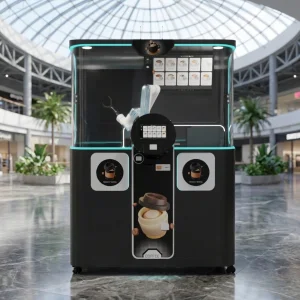
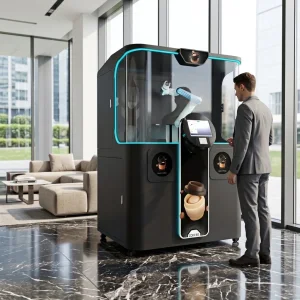
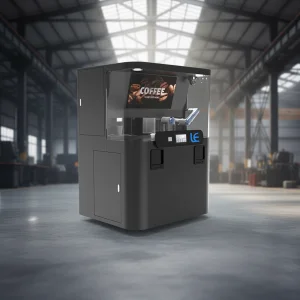
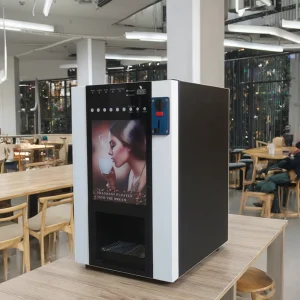
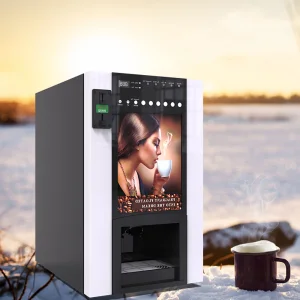
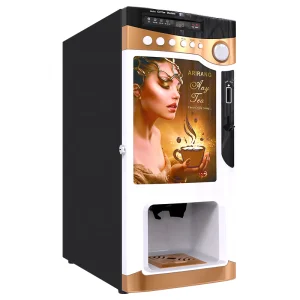
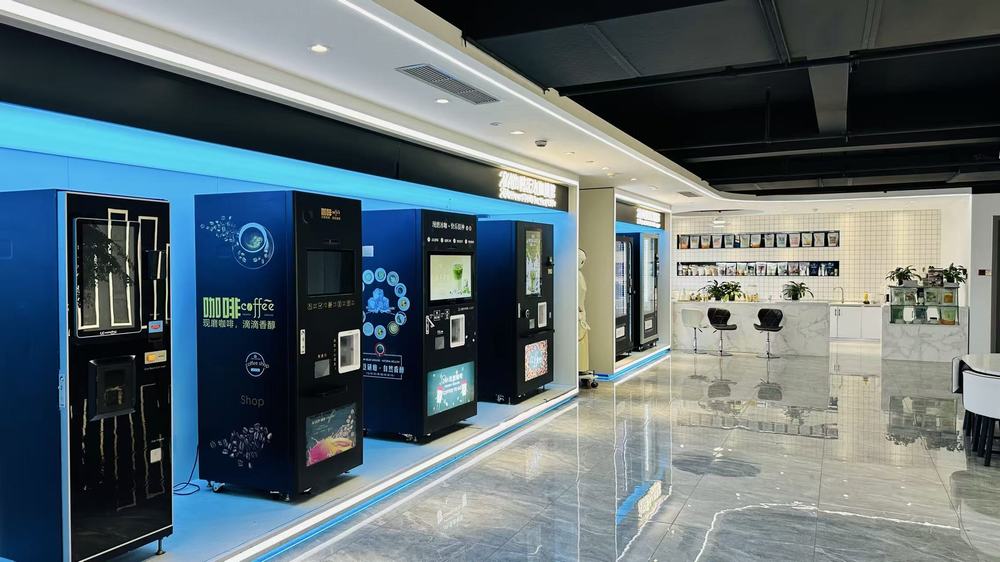
Modern workplaces demand zero-maintenance drink setups that brew ground coffee, dispense purified hot/cold water, and provide instant beverages on demand. Super-quiet compressor systems and easy-to-use touchscreens ensure seamless integration in high-end office settings.
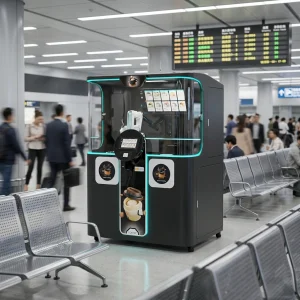
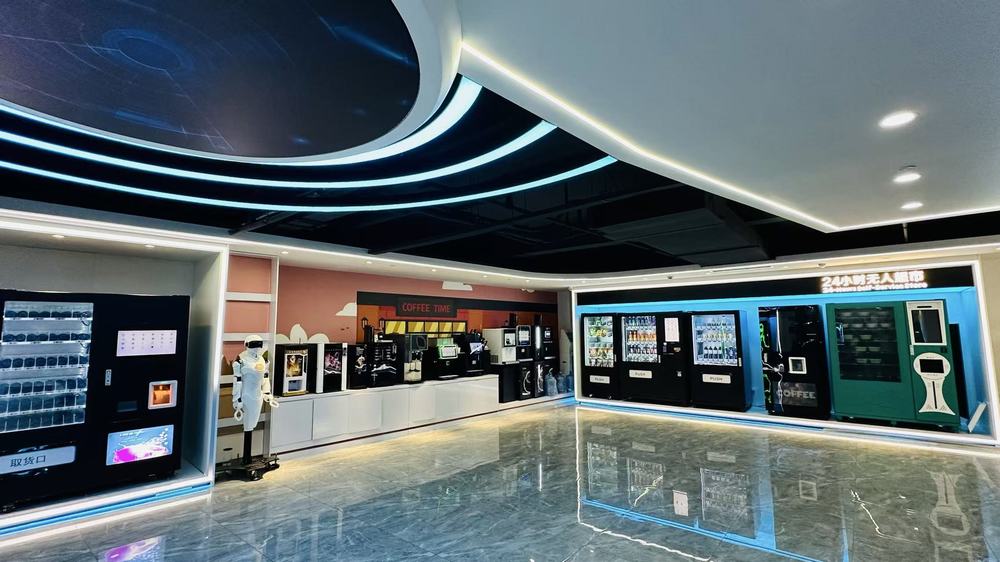
These harsh, 24/7 environments call for heavy-duty metal chassis construction, double-pane glass security windows, and anti-vandal coin acceptors. Our air-cooled systems operate reliably in varying ambient conditions without needing active plumbing lines.
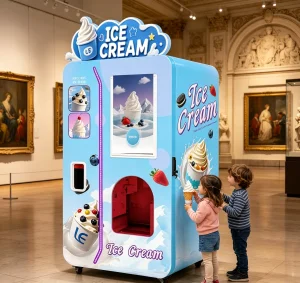
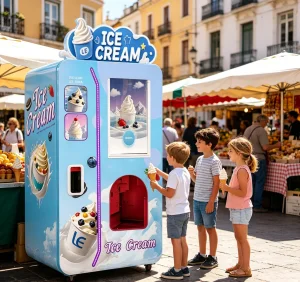
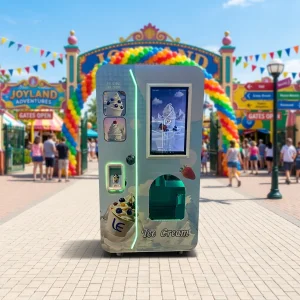
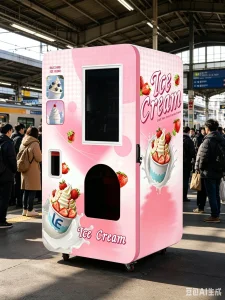
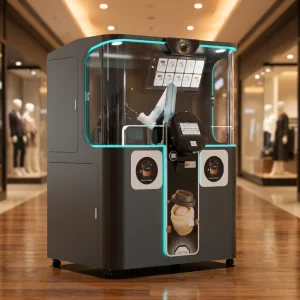
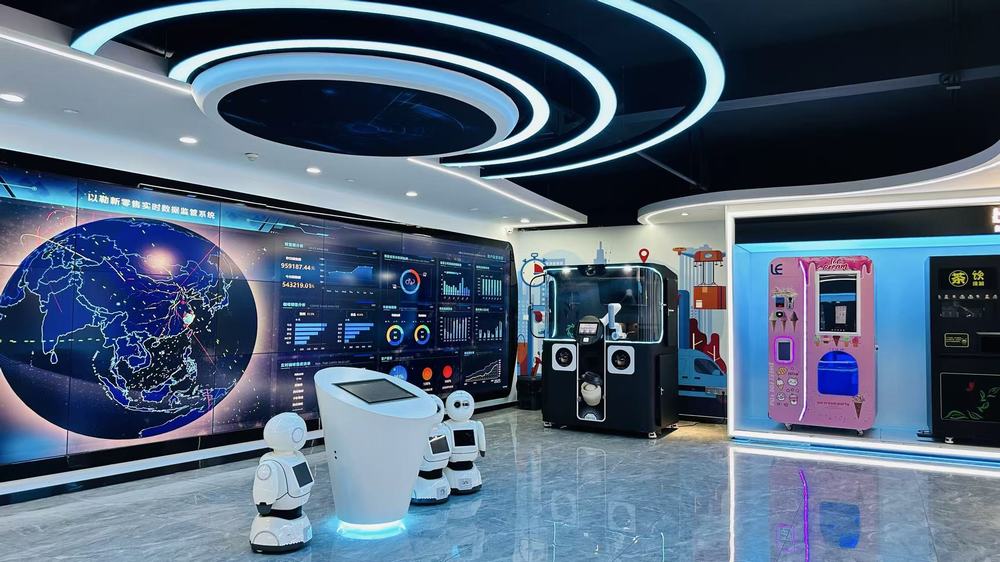
Smart liquid vending systems and soft-serve ice cream kiosks with multi-topping dispensers increase profitability in high-traffic commercial spaces. Robotic arms create an engaging, interactive experience that boosts consumer dwell times and repeat sales.
Expert answers addressing the most common design, procurement, and deployment questions from international buyers.
All our commercial liquid and water dispensing systems are certified to IEC 60335, CE, and RoHS standards. This ensures compliance with international electrical codes and strict restrictions on hazardous substances, allowing for smooth imports into European and North American markets.
Yes. Our machines are built with standard MDB protocol control boards and support custom SDK interfaces. Operators can integrate local credit card terminals, QR code readers, campus card scanners, or mobile payment apps quickly and easily.
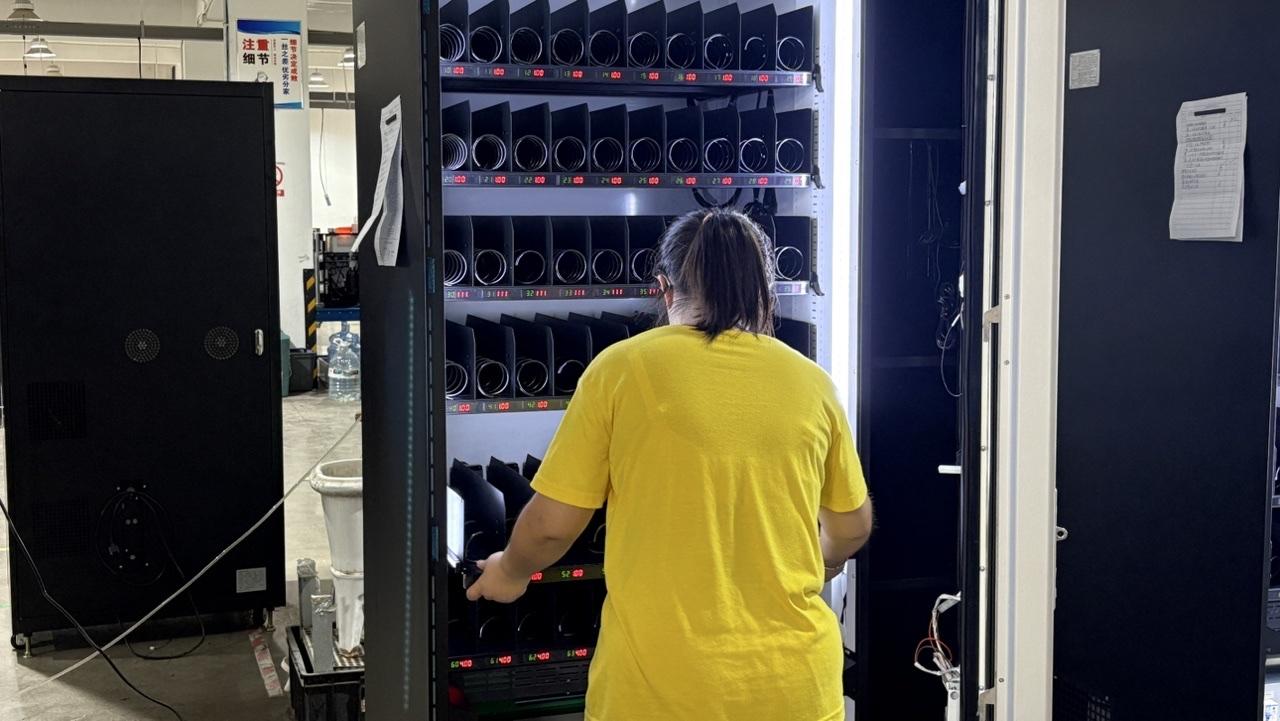
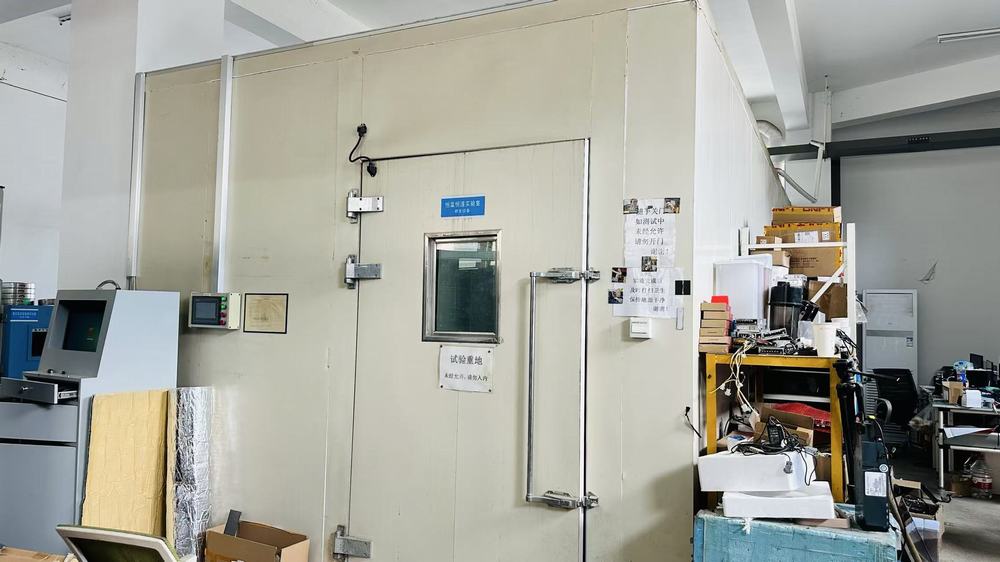
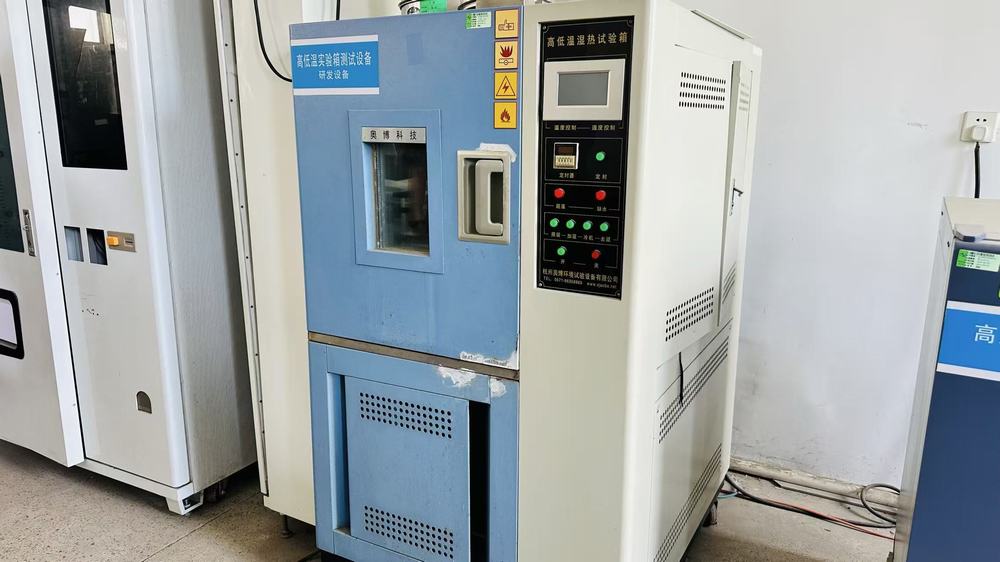
We perform a complete inspection on 100% of our products across our 6 active assembly lines. Lead by 14 experienced QA/QC inspectors, this process checks high-pressure components, tests heating and cooling systems, and ensures full traceability of all key raw materials.
Yes, we support light customization, sample processing, and custom graphic wrap designs. Our 15 graduate R&D engineers can modify storage container capacities, adjust machine colors, and program localized firmware interfaces to match your market needs.
Air-cooled designs pull ambient air to cool internal components, making plumbing connections unnecessary. This makes them easier to install and maintain, especially in transport hubs and offices where access to drain lines is limited.
Browse our next-generation robotic barista setups, customizable touchscreen coffee brewers, and high-traffic soft-serve kiosks.