JoeisaRobot
JoeisaRobot
JoeisaRobot
Unveiling our high-performance commercial equipment lineup engineered for convenience stores, quick-service cafes, and automated unmanned hubs.
Understanding market penetration, modern engineering, and supply chain alignment for high-throughput food applications.
The commercial breakfast and QSR (Quick-Service Restaurant) sectors are undergoing a massive technological shift. The humble sandwich press has evolved from a basic kitchen appliance to a highly sophisticated, high-performance cooking station. Driven by urbanization and the demands of fast-paced professional schedules, modern consumer habits demand swift, uniform heating profiles that produce toasted bread, paninis, and wraps in under 60 seconds.
Industrial foodservice buyers look for sandwich presses that optimize heat recovery times. When a commercial grill runs continuously, heat drop is the primary cause of inconsistent toast quality and food safety risks. By employing thickened aluminum-alloy heating plates embedded with serpentine heating tubes, modern Chinese factories ensure that thermal distribution remains uniform within ±2°C across the entire cooking surface. This technological integration ensures compliance with international standards, such as the IEC 60335 electrical safety guidelines, making our equipment reliable for 24/7 commercial operation in high-throughput environments like transport hubs and corporate offices.
As a major manufacturing hub, China offers unmatched integration in structural sheet metal fabrication, custom tooling, and microcontroller circuit board programming. Operating from a state-of-the-art 32,496 square meter facility, our factory specializes in both high-capacity consumer sandwich makers and commercial automation catering machines. Equipped with six independent production lines and an annual capacity of 134,000 units, we combine automated robotic arm welding and lean assembly methods to guarantee quality at scale.
This massive manufacturing footprint allows B2B buyers to request extensive structural and cosmetic customization (ODM/OEM). Whether it is integrating special Teflon-coatings for quick-release, designing multi-stage digital timers with audible alarms, or incorporating mechanical lock systems for variable thickness sandwiches, our team of 15 graduate R&D engineers works closely with global brands to transition designs from blueprint to final product within tight development cycles.
Managed by 14 QA/QC inspectors. 100% component and final product stress testing for safety, heat cycling, and electrical isolation.
Light customization, custom logo placement, custom tooling, and full SDK integrations for smart automated retail platforms.
Providing custom electrical parameters (voltage, plug configurations, power ratings) customized to local specifications across 50+ countries.
Industrial sandwich presses are tailored to meet unique cultural and culinary standards in different regions. In North America and Western Europe, heavy-duty grooved cast-iron grids are favored for producing classic grill marks on paninis and sourdough sandwiches. Conversely, the East Asian market prefers flat griddle layouts designed to bake crispy, thin-crusted sandwiches filled with delicate spreads.
To meet these distinct requirements, we design presses with adjustable floating hinges that match the thickness of different artisanal breads. By integrating digital controls, our commercial sandwich presses prevent manual operating errors, guaranteeing the exact same toast profile regardless of the operator's experience. Our equipment is also designed for easy maintenance, featuring removable drip trays and scratch-resistant plates to satisfy strict hygiene and health standards worldwide.
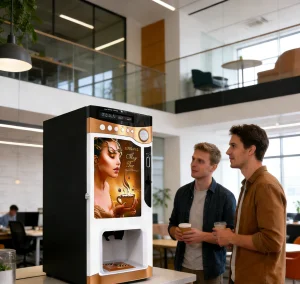
The commercial foodservice industry is shifting toward multi-functional breakfast hubs. In modern office breakrooms, unattended smart micro-markets, and fuel stations, standalone units are being replaced by cohesive food-and-beverage ecosystems. This is where our expertise in automated beverage vending machines complements our cooking equipment line.
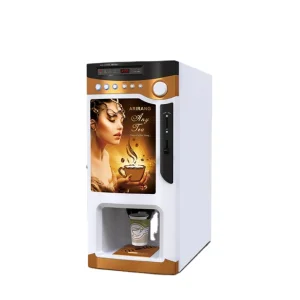
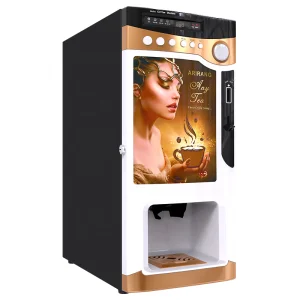
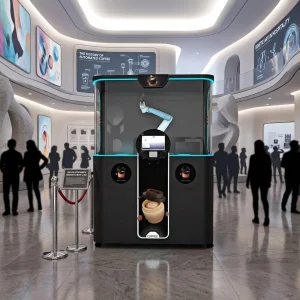
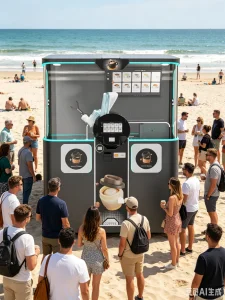
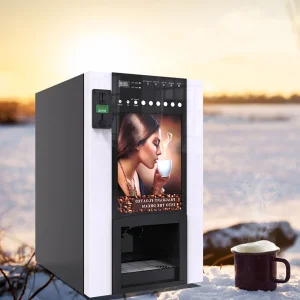
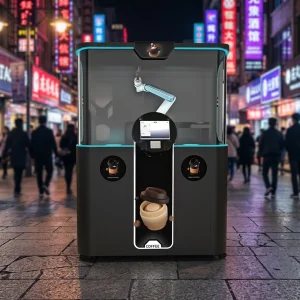
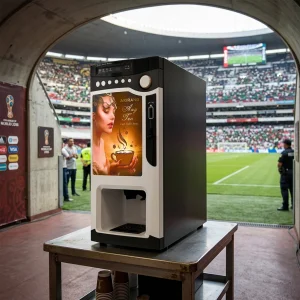
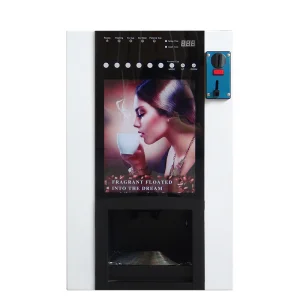
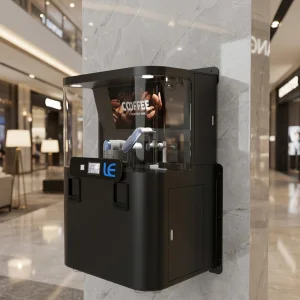
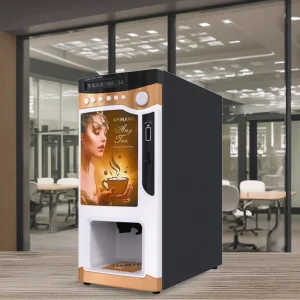
By pairing automated commercial espresso makers and smart robotic baristas with our sandwich presses, operators can establish a completely automated quick-service breakfast corner. Our smart coffee systems, featuring advanced MDB and SDK protocols, link seamlessly with food stations to allow customers to order a fresh panini and an espresso through a unified touch screen interface. Utilizing cloud-based telemetry platforms, managers can monitor cooking cycles, clean-in-place cycles, and raw ingredient volumes in real-time, drastically reducing labor requirements and operating overhead.
A visual tour of our production floor, assembly lines, laser-cutting machinery, and quality control test chambers.
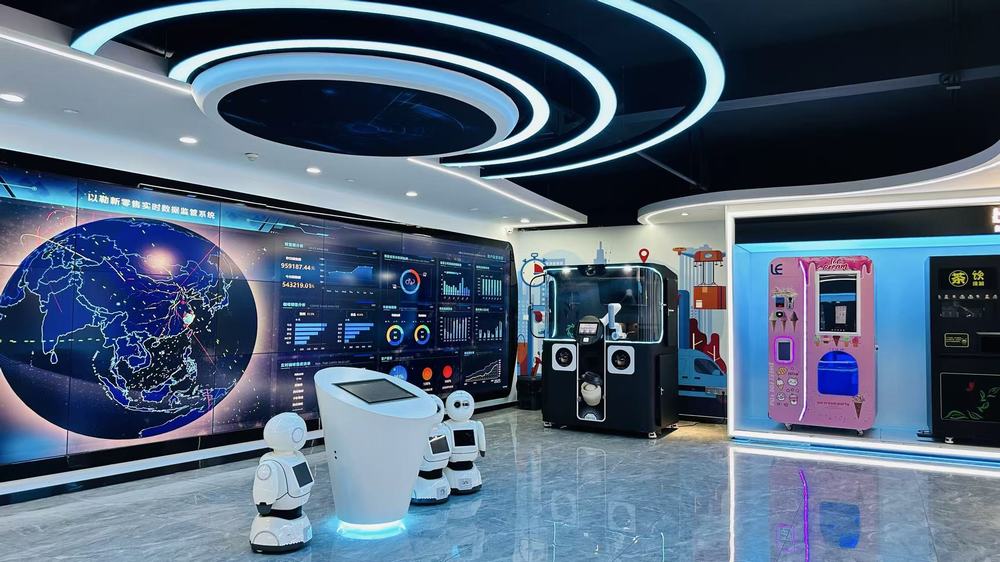
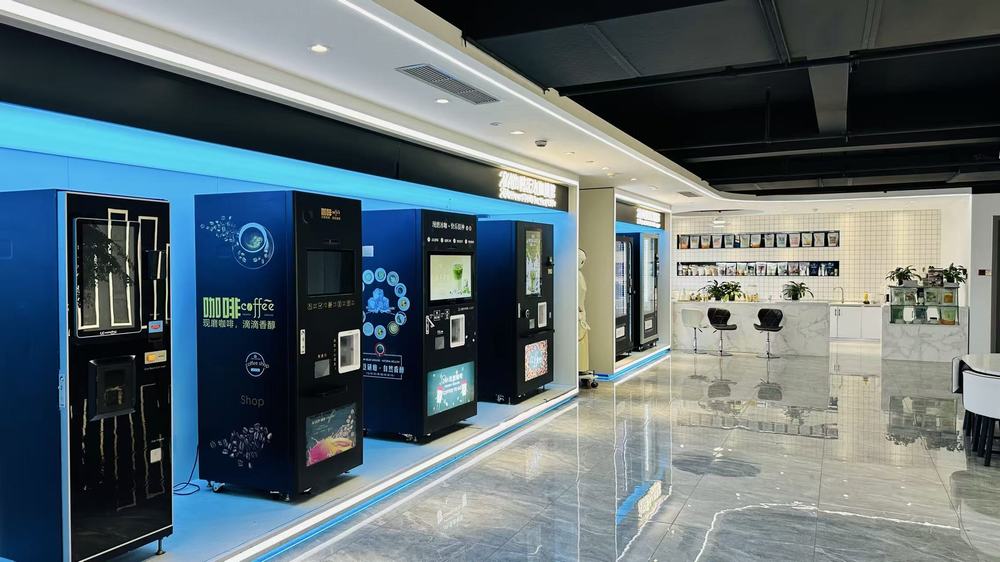
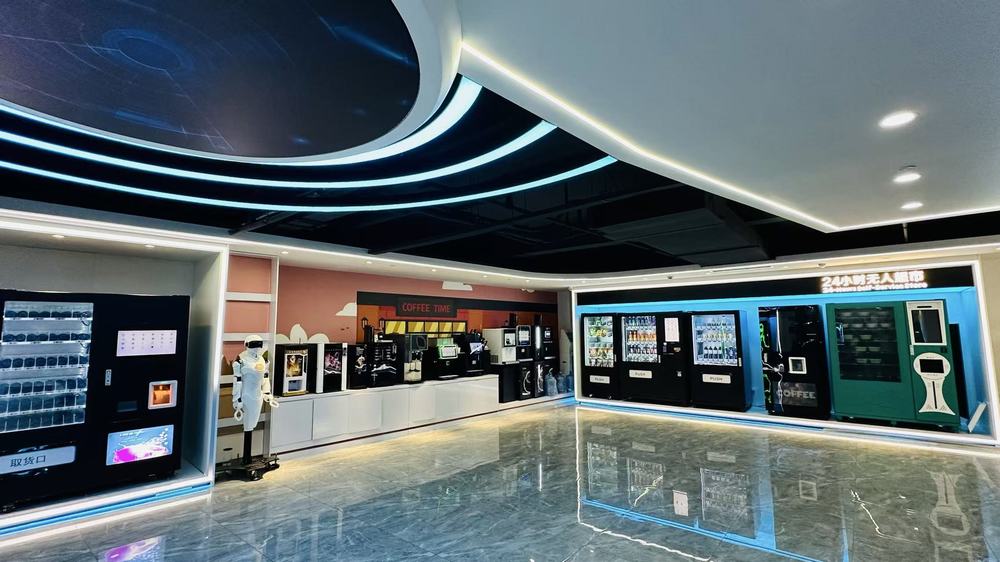
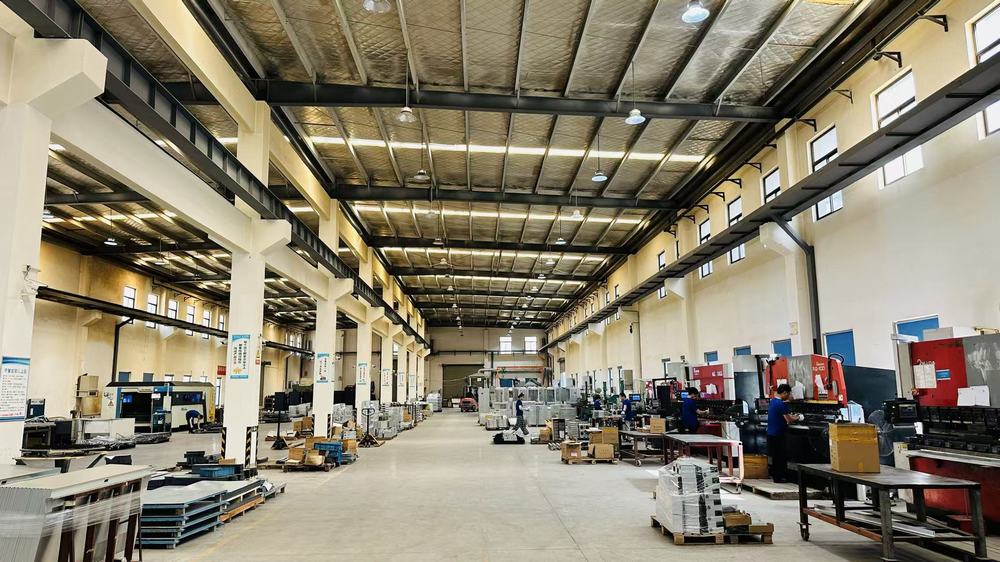
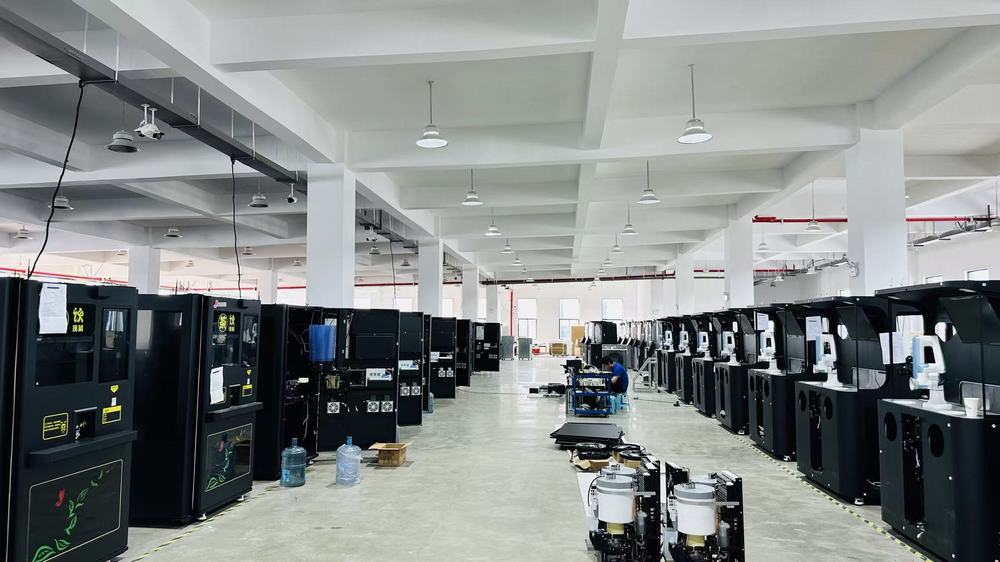
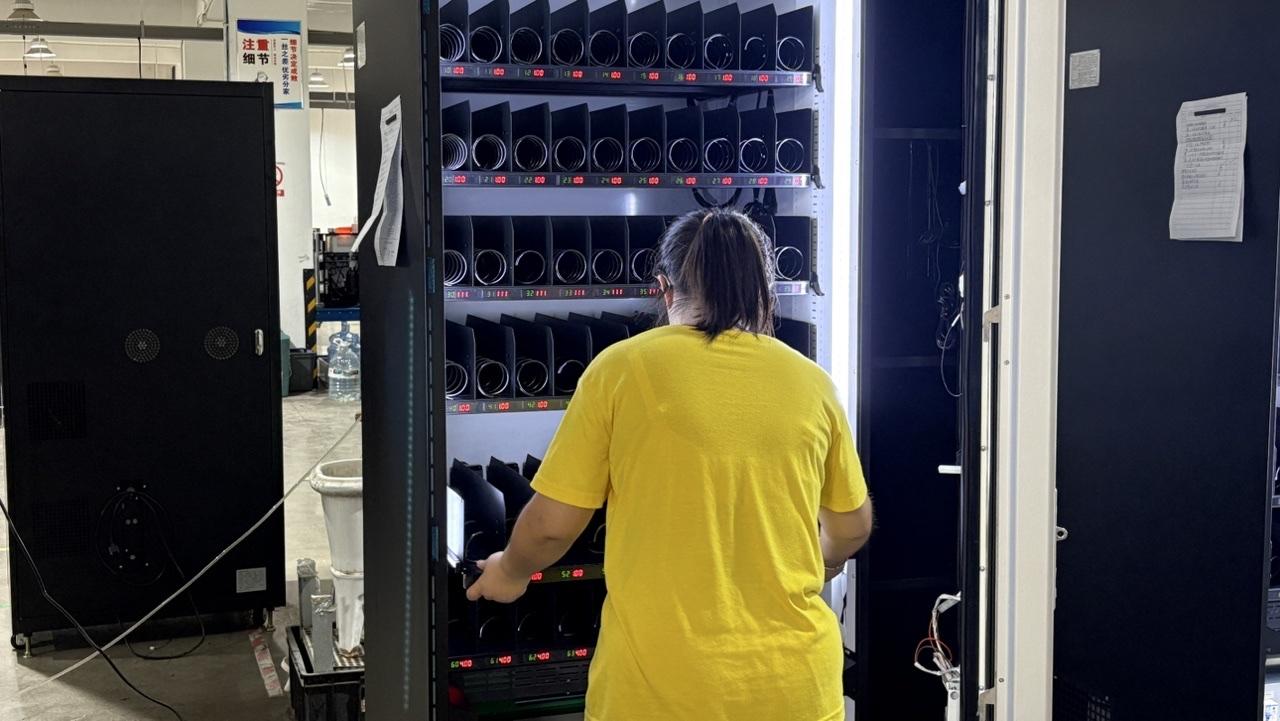
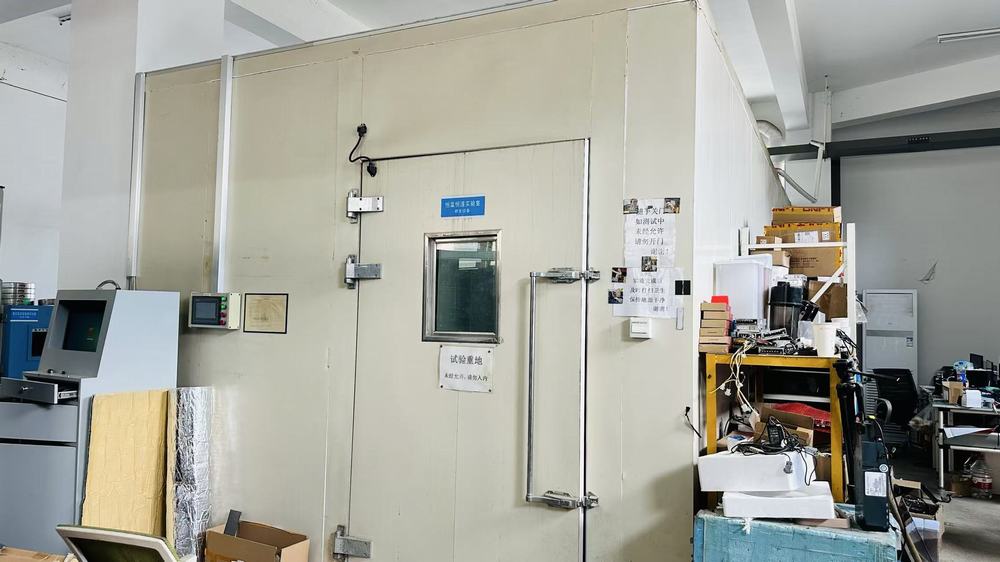
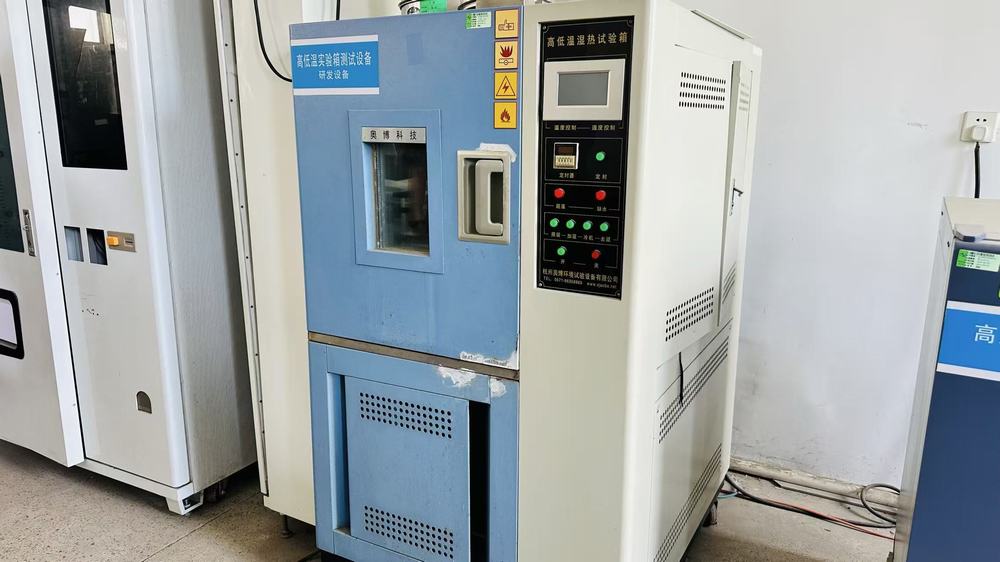
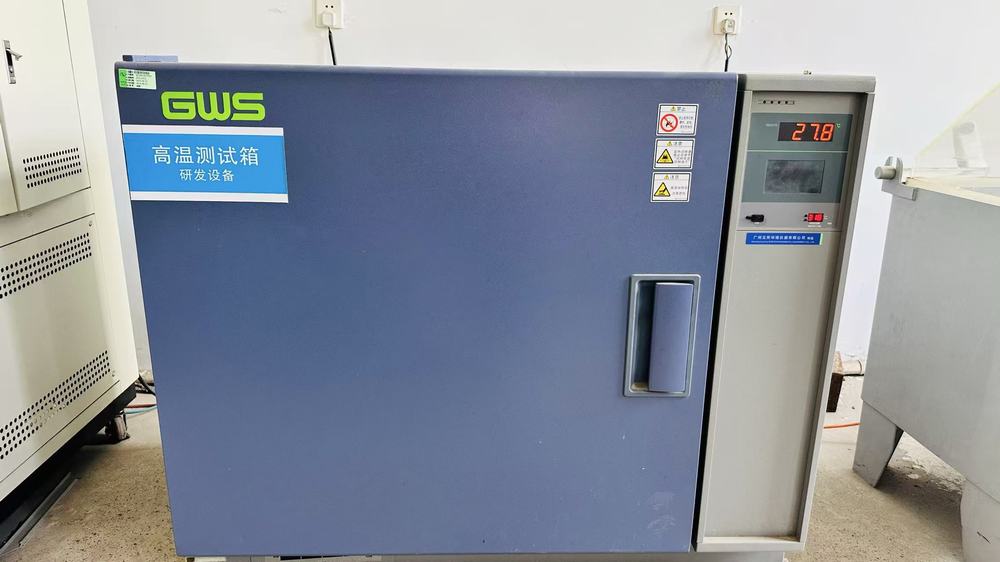
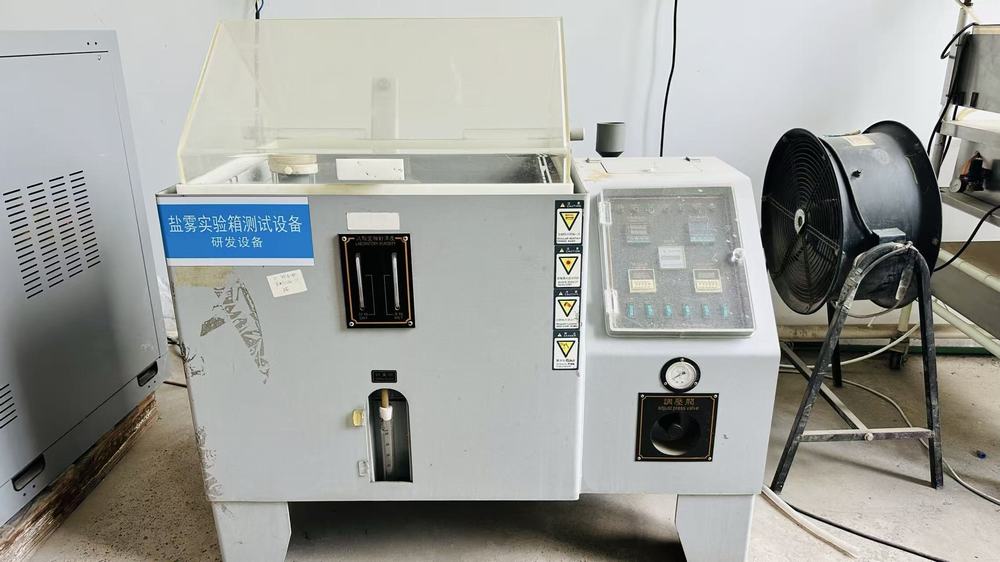
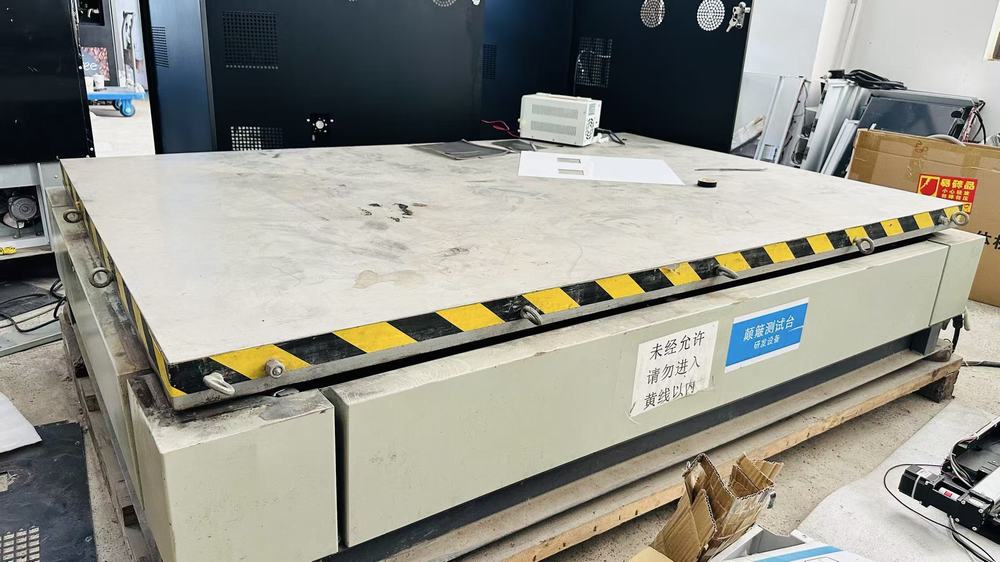
Audited specifications showcasing our compliance, output capacities, and manufacturing footprint.



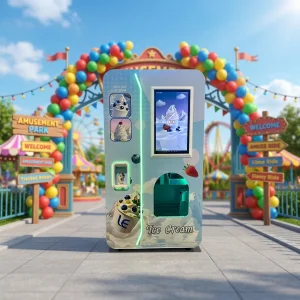
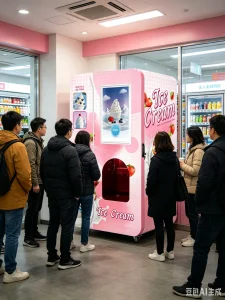
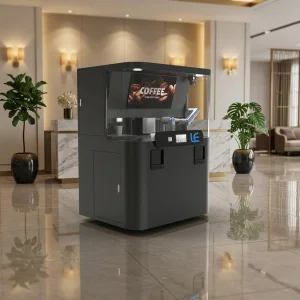
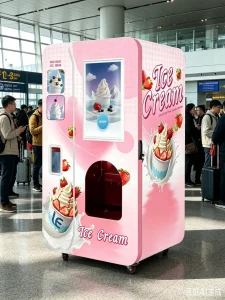
Expand your food-service lineup with our commercial barista equipment, unmanned retail ice cream dispensers, and SDK-integrated brewers.
Expert engineering answers addressing electrical specifications, materials, heat cycles, custom configurations, and global compliance.