JoeisaRobot
JoeisaRobot
JoeisaRobot
The global food processing equipment market is witnessing a paradigm shift. Valued at over USD 45 billion in 2023, the industry is projected to grow at a CAGR of 6.2% through 2030. This growth is driven by the rising demand for processed foods, stringent hygiene regulations, and the critical need for automation to combat rising labor costs.
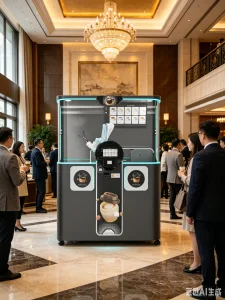
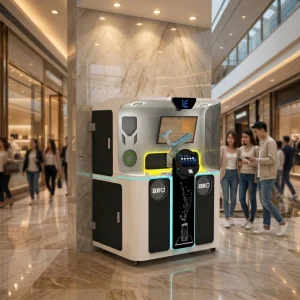
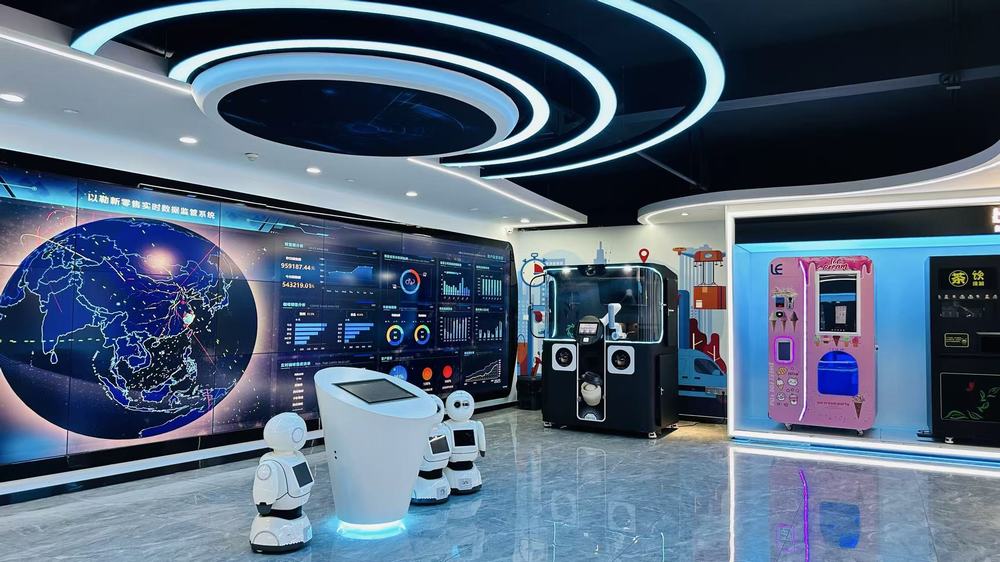
Modern factories are no longer just mechanical workshops; they are centers of AI-driven innovation. From robotic baristas that simulate human-grade latte art to intelligent sorting systems, the integration of Industry 4.0 standards is now a prerequisite for being a top-tier manufacturer.
Energy-efficient cooling systems, water-saving cleaning protocols, and recyclable packaging interfaces are the new benchmarks. Leading manufacturers are prioritizing ISO 14001 compliance to meet global environmental ESG goals.
Years of Export Expertise
Annual Unit Output
Graduate R&D Engineers
Production Square Meters (㎡)
Establishing authority in the food processing sector requires more than just high output. Our manufacturing protocols include 100% inspection of all products and full traceability of raw materials. With certifications such as ISO 9001, ISO 14001, and IEC 60335, we ensure that every machine meets the rigorous safety standards required for the Southeast Asian, North American, and Domestic markets.



As a leading Food Processing Equipment Manufacturer, our technical roadmap focuses on four key pillars that provide significant information gain for industrial buyers:
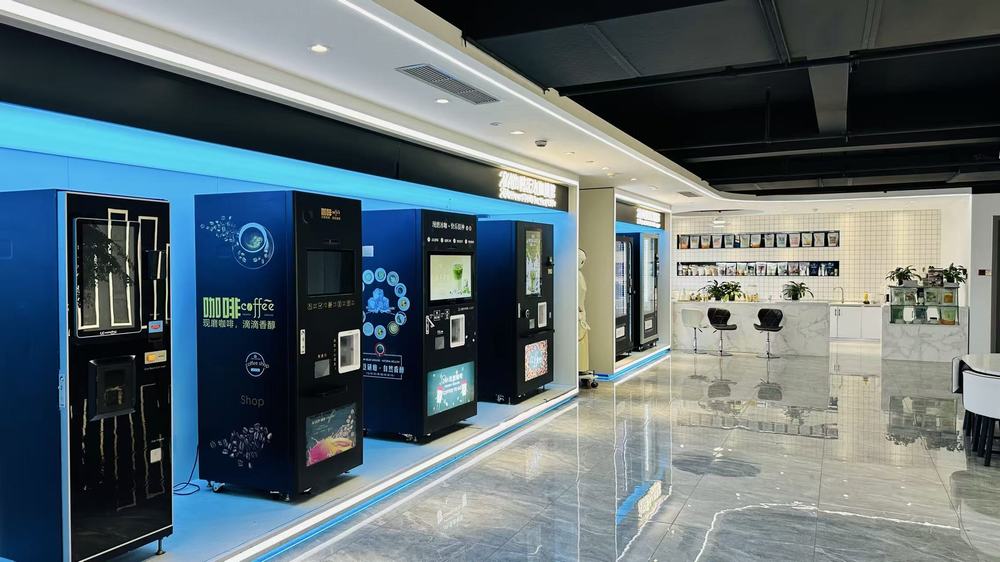
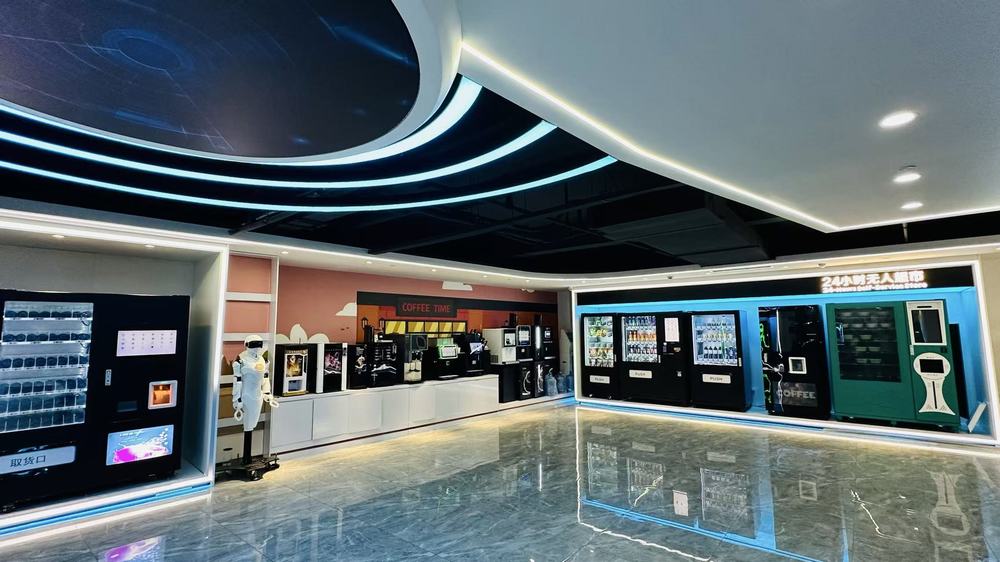
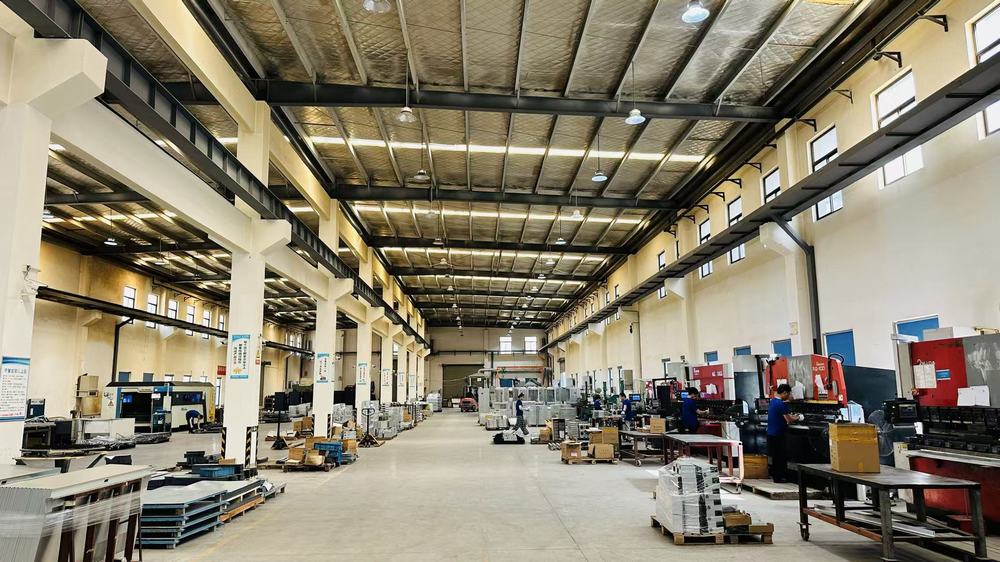
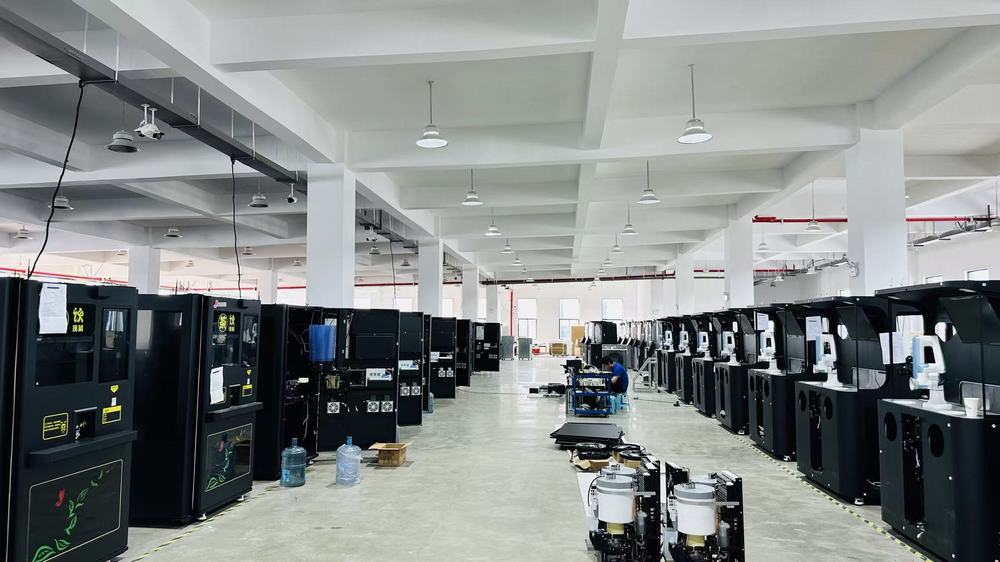
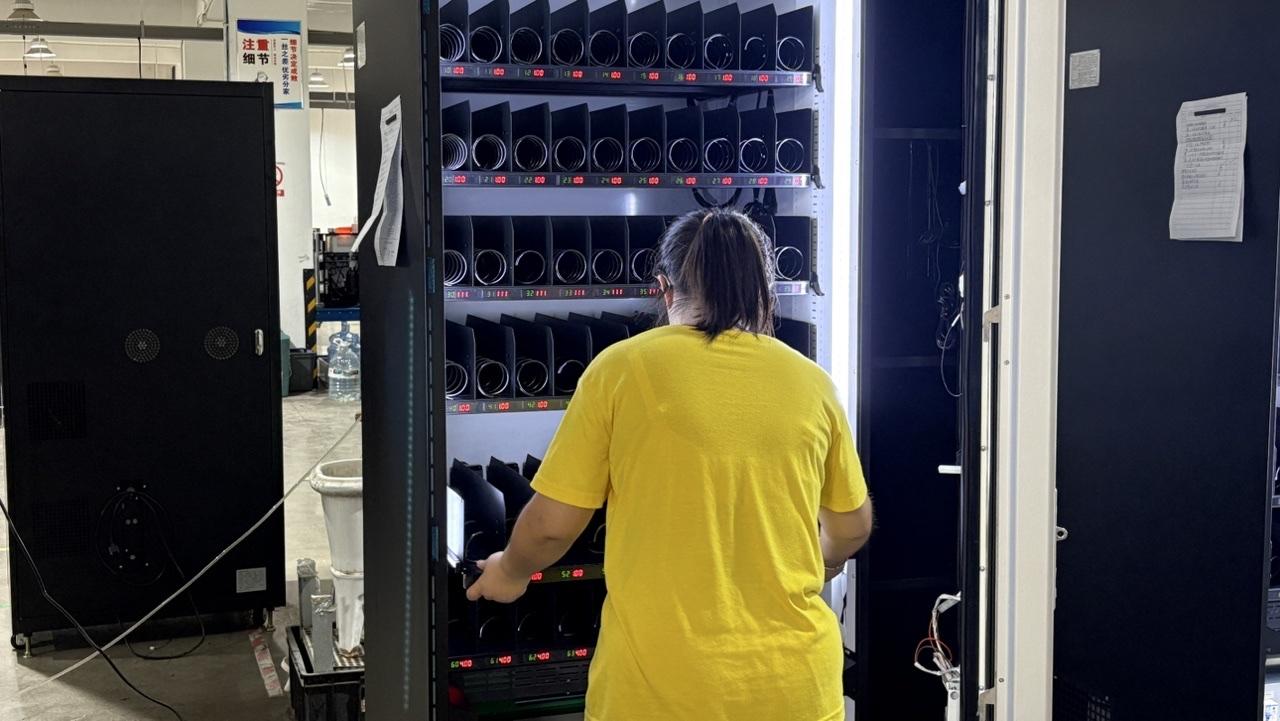
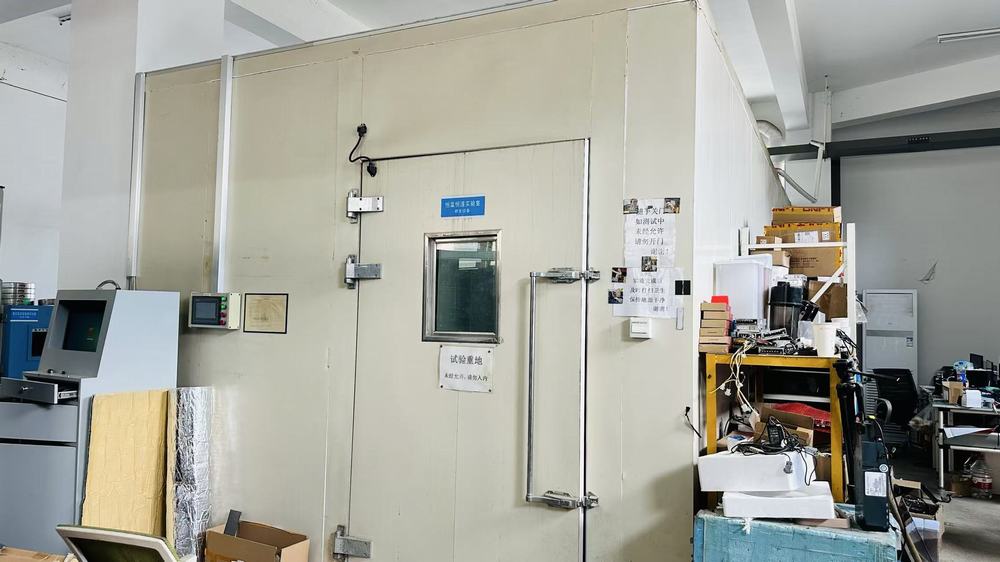
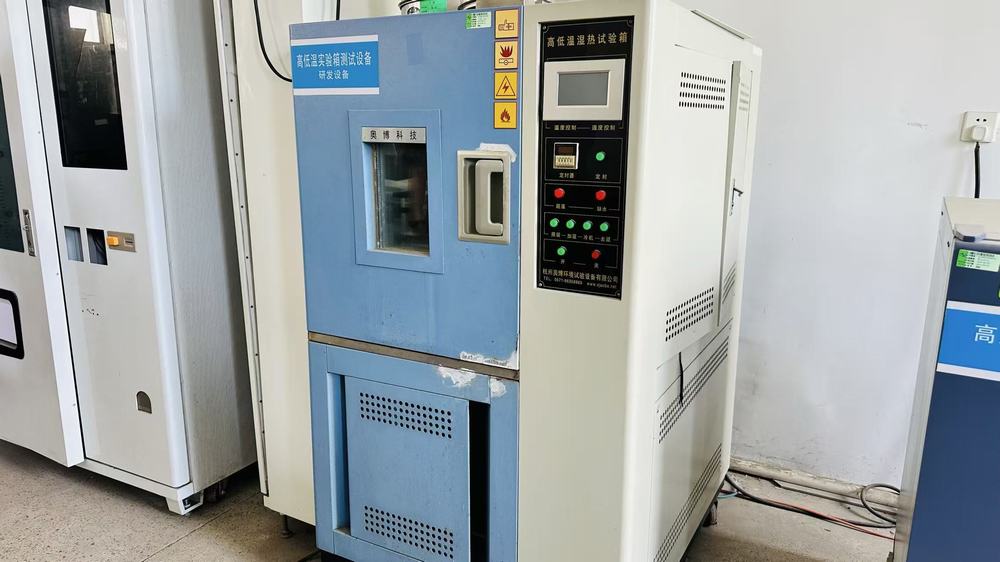
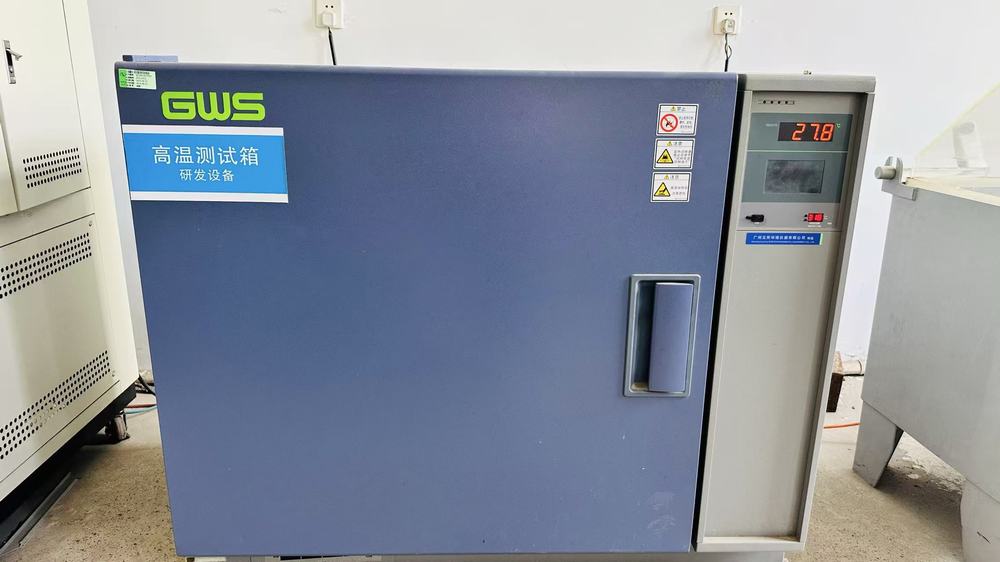
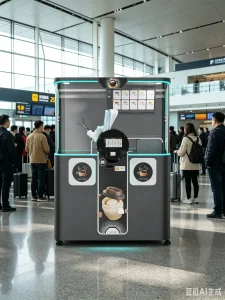
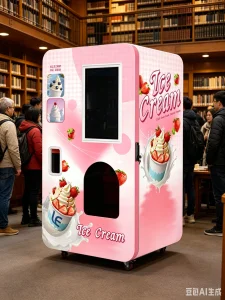
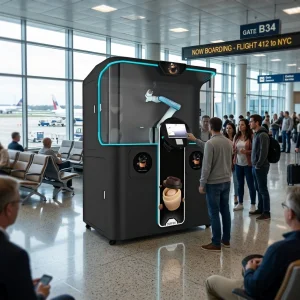
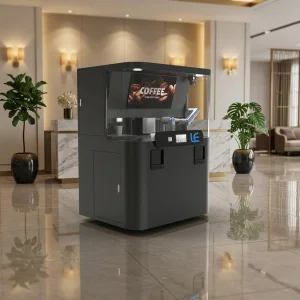
In airports and train stations, the demand for 24/7 service is paramount. Our unmanned coffee and ice cream robots provide a consistent product without the need for staffing shifts, optimizing floor space in premium locations.
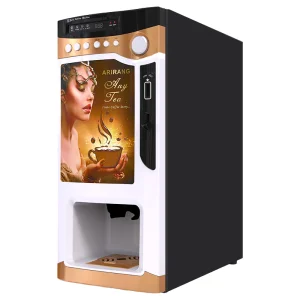
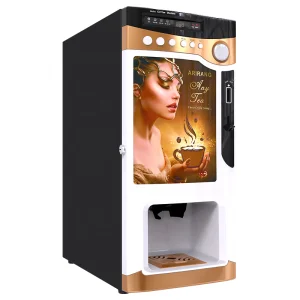
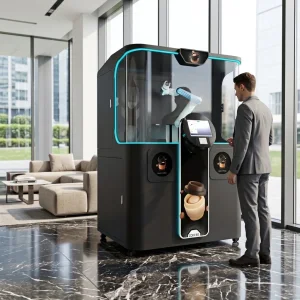
Modern workplaces prioritize employee wellness and high-tech amenities. Compact tabletop coffee machines and AI baristas integrated with corporate ID cards offer a seamless, cashless "perk" for employees.
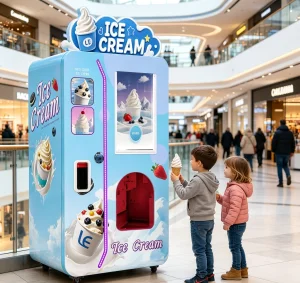
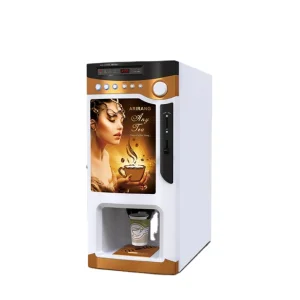
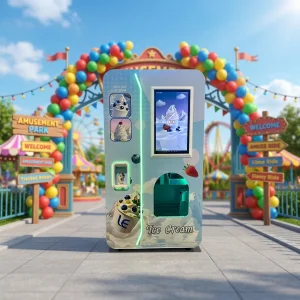
Theme parks require high-durability machines that can handle heavy usage and outdoor elements. Our LE303V programmable series is specifically designed with aluminum housing for rugged, high-volume environments.
A: Our machines feature self-cleaning cycles and cloud-based diagnostics. If an error occurs, the system sends an instant notification to the operator with the specific fault code, often resolvable via remote software updates.
A: Yes. We support Spanish, English, Italian, Russian, and more. Our MDB-compliant hardware allows for the integration of any local payment terminal, including Nayax, Ingenico, and regional QR codes.
A: With 6 dedicated production lines and 15 R&D engineers, we can move from concept to sample processing quickly. Standard model lead times are 2-4 weeks, while deep customizations take 8-12 weeks.
Choosing a partner in the food processing equipment industry is a strategic decision that impacts long-term profitability and brand reputation. With 19 years in the industry and a focus on AI-enabled robotics, our facility is more than just a factory—it is an innovation hub designed to propel your business into the next era of retail.