JoeisaRobot
JoeisaRobot
JoeisaRobot
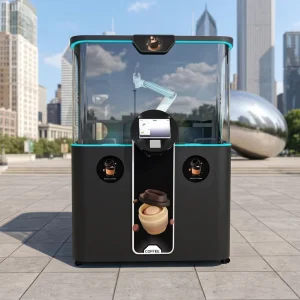
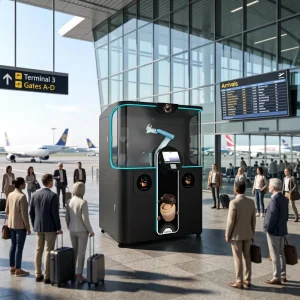
Pioneering robot baristas and automated dispensing systems configured for the high-end commercial hubs of San José, Alajuela, and Guanacaste.
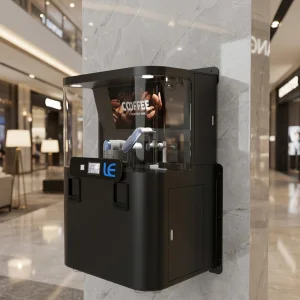
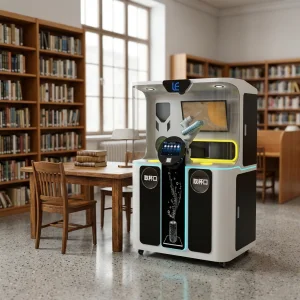
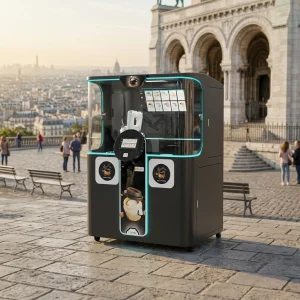
Analyzing the convergence of high-capacity refrigeration systems, automated beverage preparation, and the digital payments ecosystem in the Central Valley and coastal tourism corridors.
Costa Rica is undergoing a rapid digital and technological transformation in its food service and hospitality sectors. Traditionally known for its premium coffee exports and ecological tourism, the country has become a fertile testing ground for smart retail concepts. Driven by high labor costs, strict health and safety codes enforced by the Ministry of Health (Ministerio de Salud), and a consumer base that demands fast, contactless interactions, local businesses are pivoting towards automation. From San José's busy business parks to the luxury resorts of Guanacaste, the deployment of intelligent ice cream machines and robotic barista stations is redefining retail ROI.
Operating high-capacity cooling systems and robotic gear in tropical zones presents unique engineering challenges. High relative humidity (often exceeding 85% in coastal regions like Puntarenas and Limón) and ambient temperatures above 30°C force standard machines to overwork, causing premature compressor failure and sanitation hazards. Our machinery lineup incorporates tropicalized condenser units, high-efficiency SECOP or Embraco compressors, and advanced Clean-in-Place (CIP) cycles that prevent bacterial growth in warm climates. This makes our hardware the default choice for Costa Rican developers who require rugged reliability.
Globally, the automated vending and robotic food service market is projected to reach over $30 billion by 2030, growing at a CAGR of 15.4%. The primary driver is the integration of cooperative robotic arms (cobots) that replicate the exact motions of human baristas and culinary technicians. Locally in Costa Rica, this trend is boosted by the nation's highly integrated digital payments landscape. With the near-universal adoption of SINPE Móvil, local consumers expect to scan a QR code and receive their gourmet coffee or ice cream within 45 seconds. This eliminates the need for cash handling, which minimizes security risks and operational complexity.
Direct factory specifications, certifications, and global quality control indicators supporting our deployments in Costa Rica and globally.
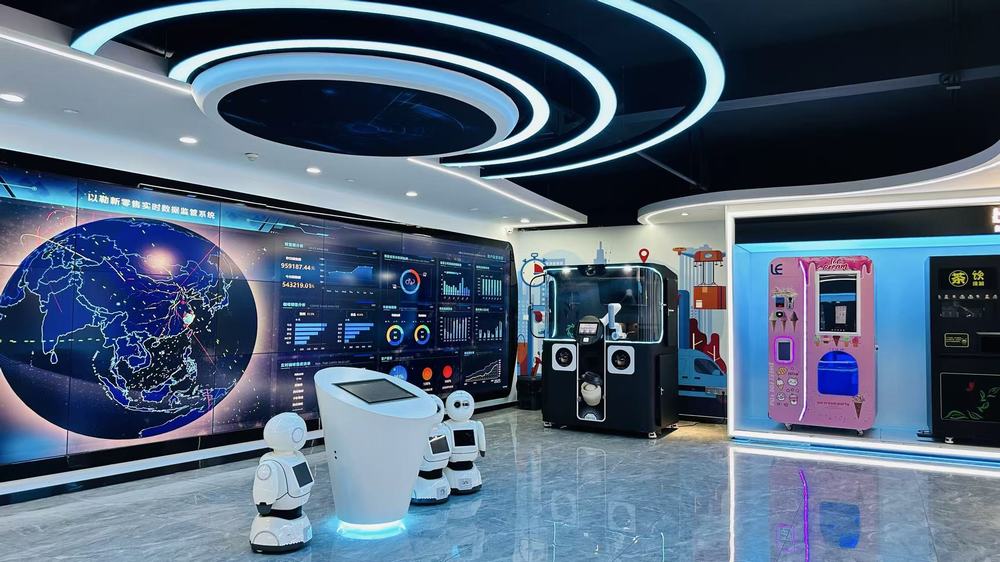
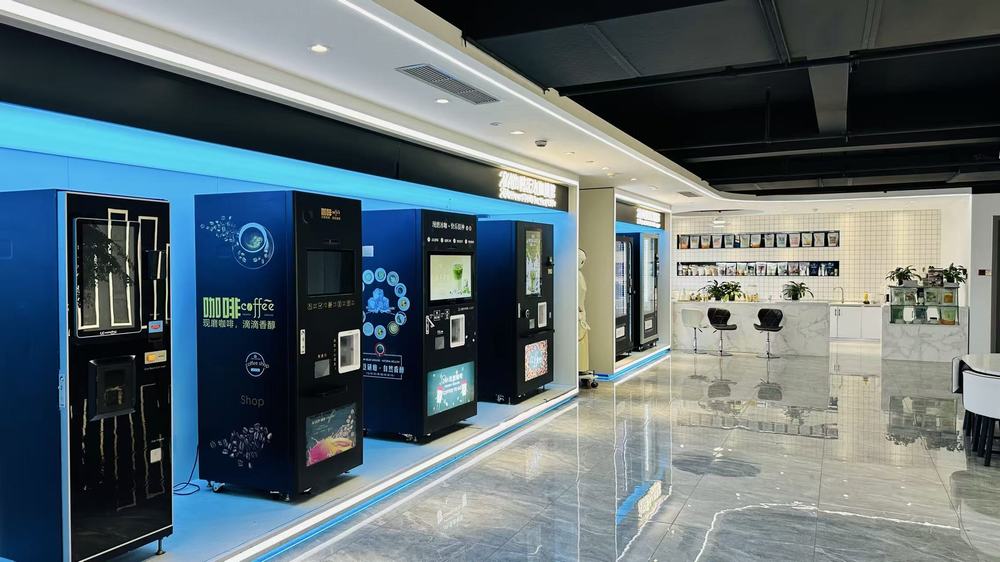
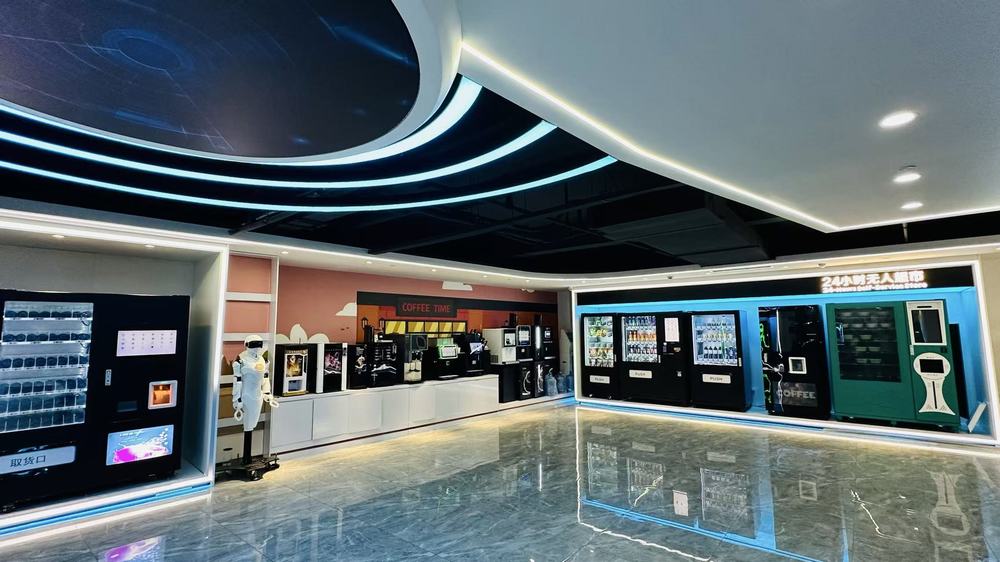
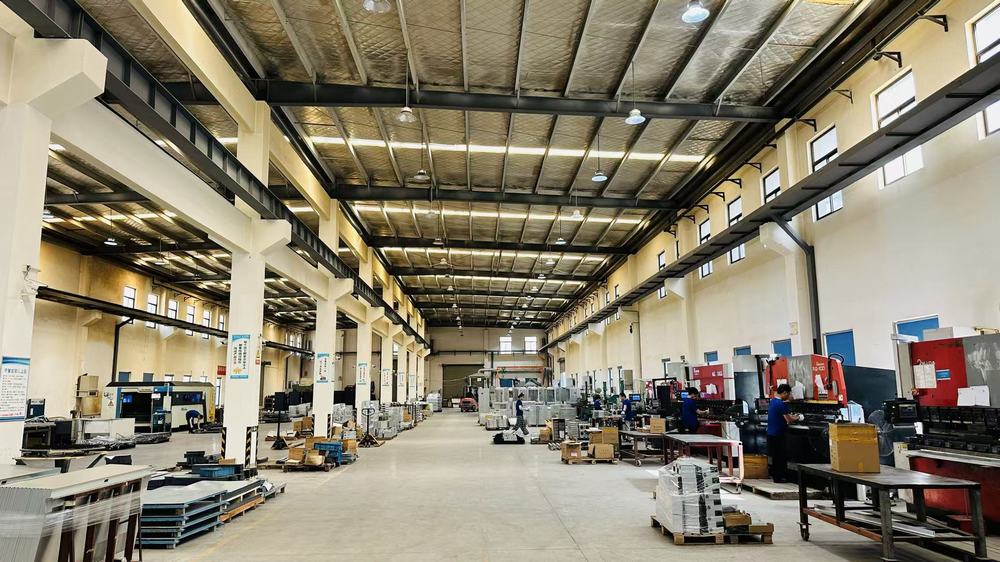
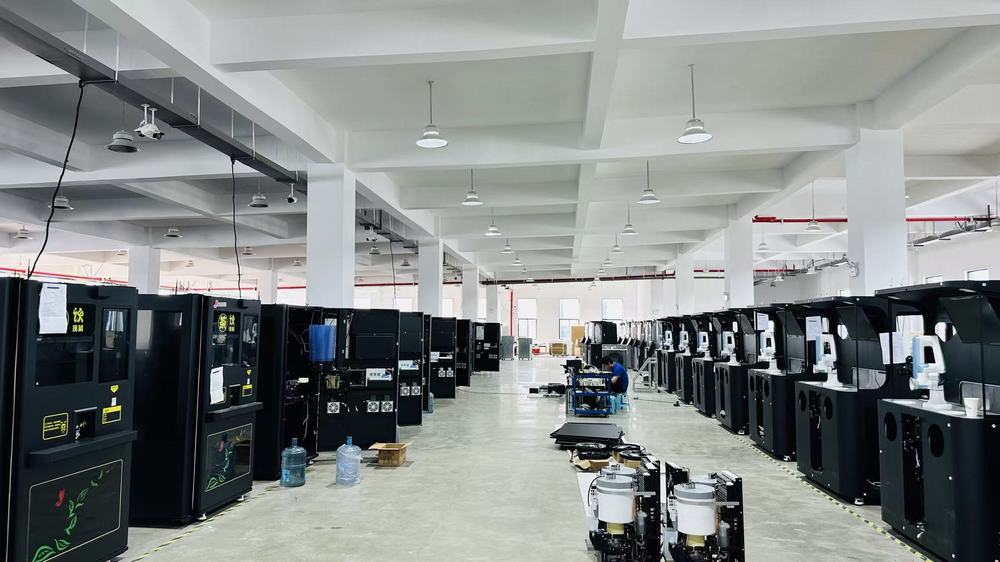
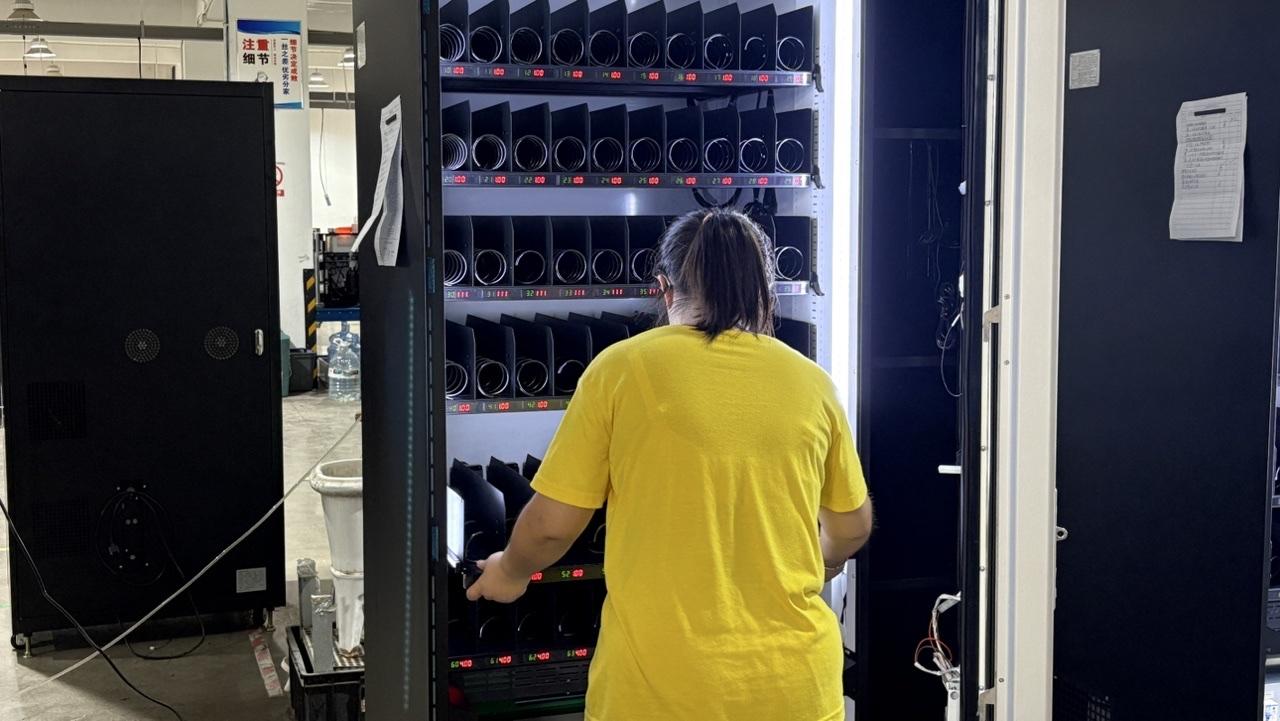
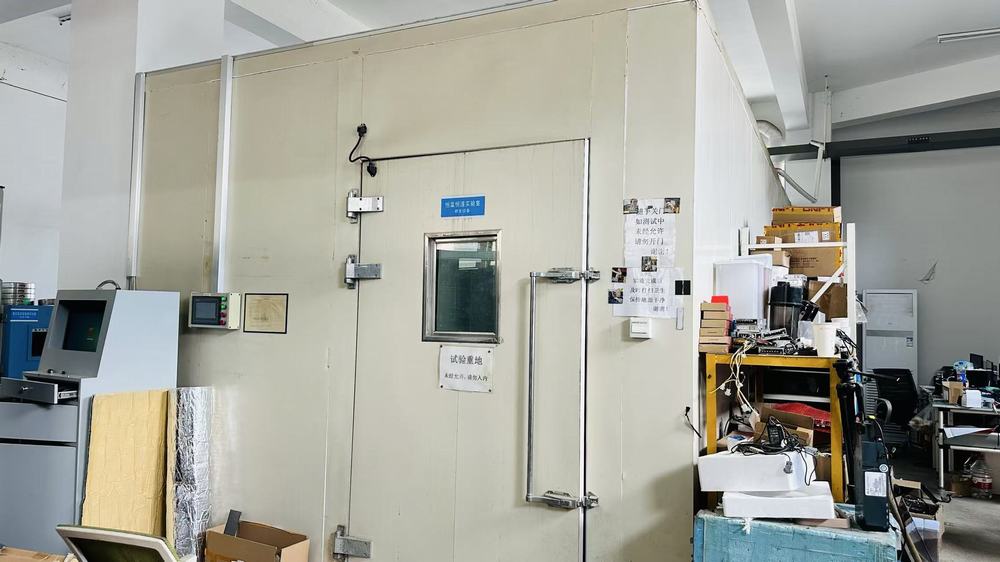
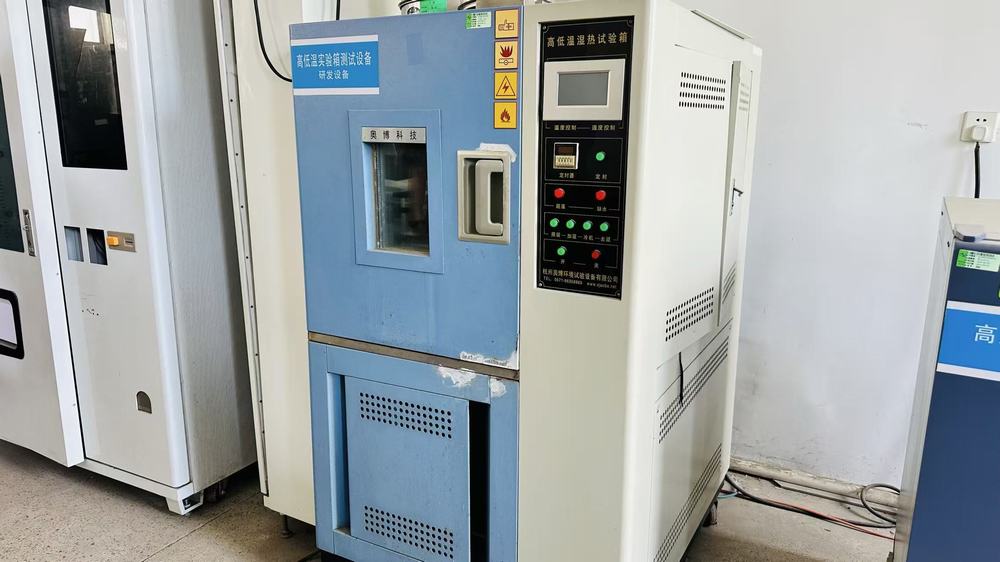
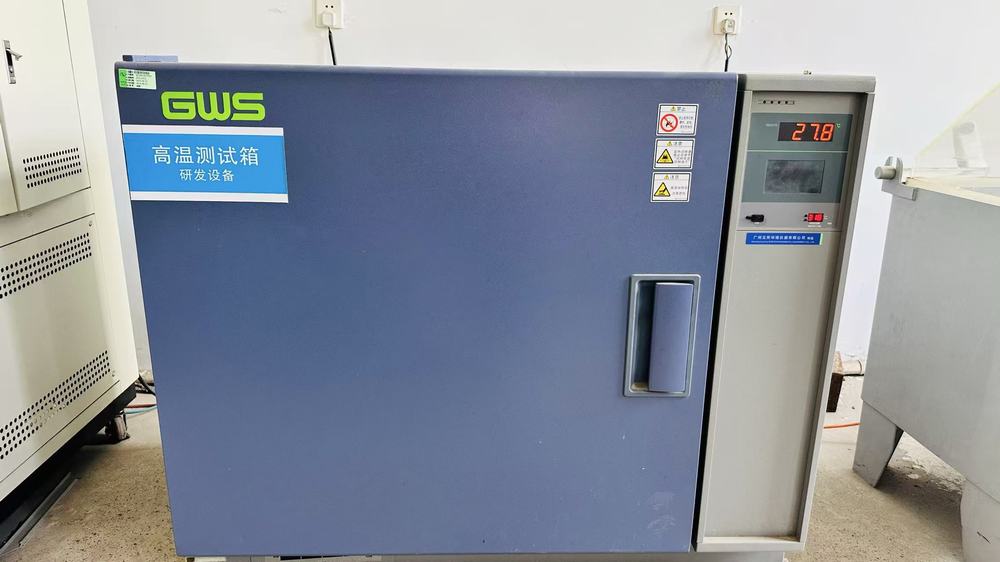
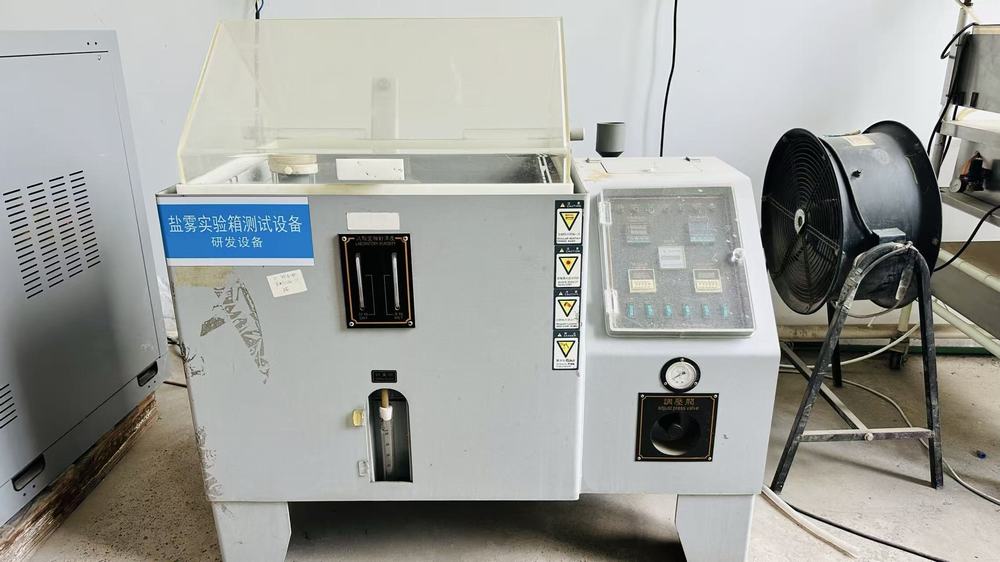
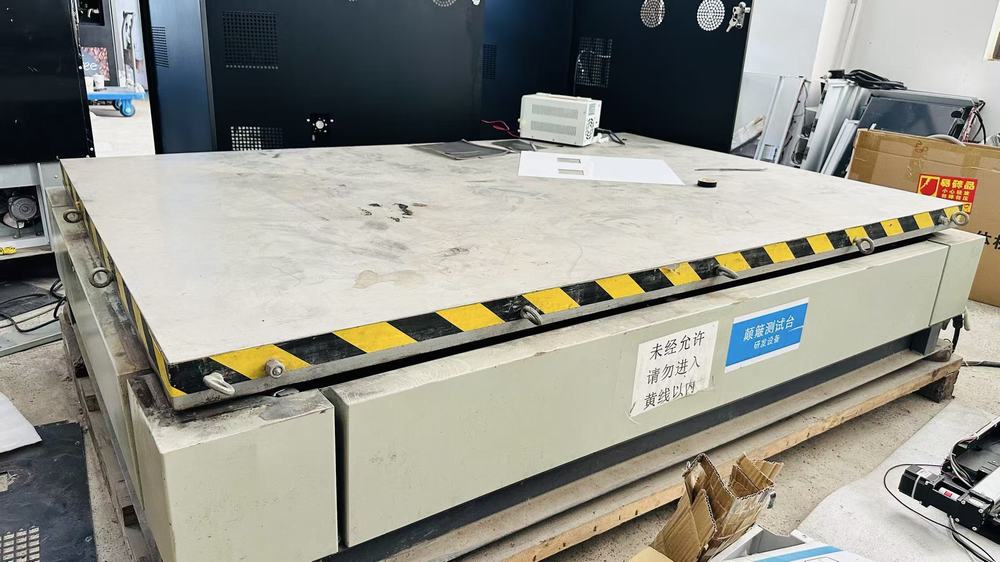
 ISO 9001 No. NOA1827667
 ISO 14001 No. NOA1998653
 IEC 60335 No. SHES200701263401-M3
For operations in San José or San Pedro tech parks, these machines act as self-contained micro-businesses. Our software stack is built using open Android SDKs and industrial MDB (Multi-Drop Bus) communication protocols. This design allows operators to integrate local telemetry modules, credit card readers (such as those provided by BAC Credomatic or Promerica), and custom mobile loyalty apps. Structurally, each robotic arm is calibrated with high-torque brushless DC motors to handle continuous repetitive brewing and soft-serve ice cream dispensing tasks with 0.1mm positioning accuracy.
Costa Rica is a country focused on ecological responsibility and reducing carbon footprints. Because of this, heavy power consumption can make automated retail systems unfeasible. Our refrigeration units use eco-certified R290 refrigerant gas. R290 has a global warming potential (GWP) near zero and offers excellent thermodynamic efficiency. This reduces electricity usage by up to 35% compared to older systems, keeping operating costs low and aligning with local sustainability goals.
Our long-term technology development focuses on full physical automation, smart energy conservation, and cloud management. Below is the roadmap showing the progression of our systems from reliable cooling machines to fully independent, AI-managed food service kiosks:
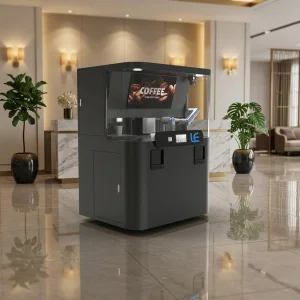
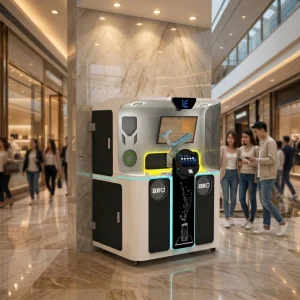
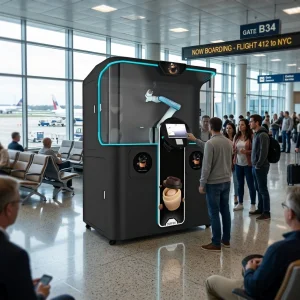
Browse our certified industrial robotic barista and automated vending product catalog, configured for quick regional deployment.
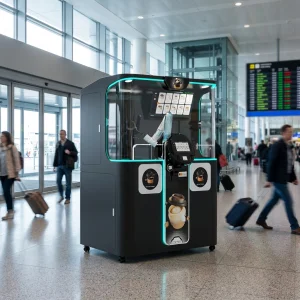
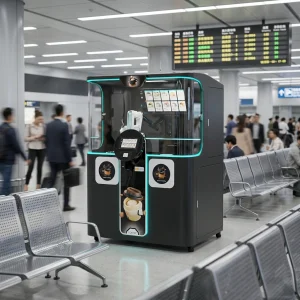
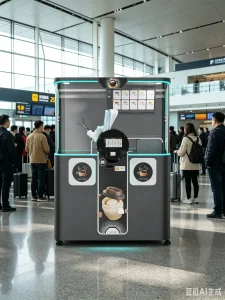
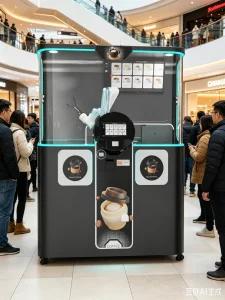
Get detailed answers about the installation, maintenance, power requirements, and payment systems for our commercial smart food equipment in Central America.
Our tropicalized configurations feature high-grade insulation, anti-condensation heated glass displays, and oversized air-cooled condensers. We use high-capacity compressors (Embraco/SECOP) and anti-corrosive coatings on all internal copper piping to prevent breakdown in high-humidity zones like Limón, Jacó, or Guanacaste.
Yes. Our intelligent vending platforms operate on open Android SDK environments. We can configure QR-code payment screens that link directly to SINPE Móvil API endpoints or integrate credit card terminal protocols through leading local banks like BAC Credomatic, BCR, or Banco Nacional.
Our systems carry international IEC 60335 electrical safety compliance, ISO 9001 quality management, and ISO 14001 environmental certifications. The sanitation cycles and internal foodcontact plastics are NSF/FDA compliant, meeting the safety requirements of the Costa Rican Ministry of Health (Ministerio de Salud).
Our cloud telemetry portal provides real-time tracking of ingredient levels (coffee beans, milk powder, cups, ice cream mix). It sends automatic alerts before stock runs low. The machines also feature programmable automated Clean-in-Place (CIP) flushing cycles to maintain hygiene without daily on-site technician labor.
Standard models run on 220V/110V AC, 50Hz/60Hz, matching Costa Rica's grid specifications. Peak startup draw occurs during ice cycle generation or boiler heating, but our built-in power factor correction (PFC) modules keep overall energy consumption low.