JoeisaRobot
JoeisaRobot
JoeisaRobot
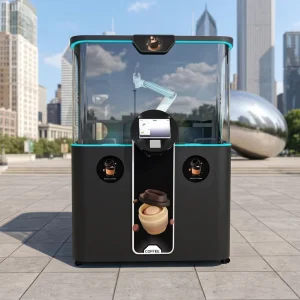
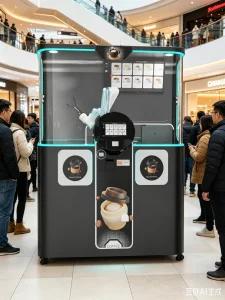
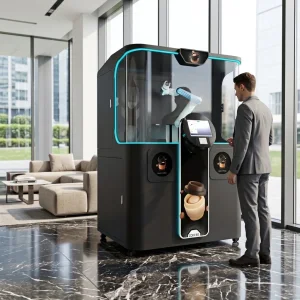
Discover our flagship automated coffee systems deployed across corporate hubs, high-traffic retail spaces, and smart properties in Ho Chi Minh City.
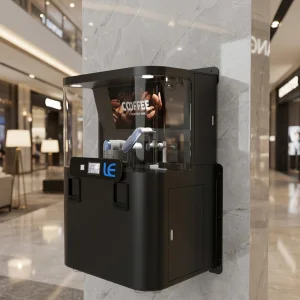
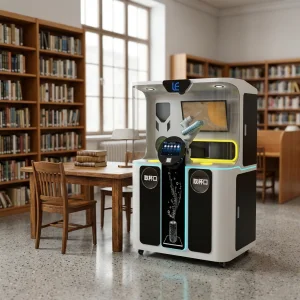
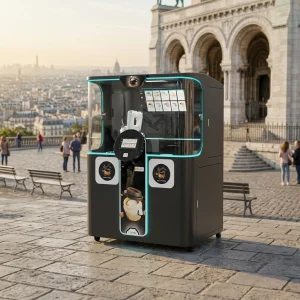
Ho Chi Minh City (HCMC), the economic engine of Vietnam, is undergoing a profound digital and lifestyle transformation. As the city pushes toward its "Smart City 2025-2030" goals, traditional industries are rapidly absorbing automated solutions. In no sector is this more visible than Food and Beverage (F&B). HCMC's deeply ingrained coffee culture—traditionally dominated by roadside stalls and local cafes—is witnessing a structural shift toward tech-enabled, consistent, and hygienic premium coffee experiences.
With a booming young demographic (Gen Z and Millennials making up over 50% of the active consumer market in Saigon), there is an escalating demand for speed, customization, and cashless operations. Robotic coffee machines represent the convergence of Vietnam's rich coffee heritage (specifically high-performance brewing capable of utilizing rich domestic Robusta and Arabica blends) and advanced robotics. Our robotic baristas offer operators the ability to serve premium specialty coffee, custom foam prints, and iced beverages 24/7 without the overhead and staffing vulnerabilities of traditional storefronts.
"The convergence of high commercial real estate rents in District 1, District 3, and Thu Duc City, combined with the rising demand for contactless transactions via MoMo, ZaloPay, and VietQR, has accelerated the adoption of automated F&B kiosks throughout the metropolitan area."
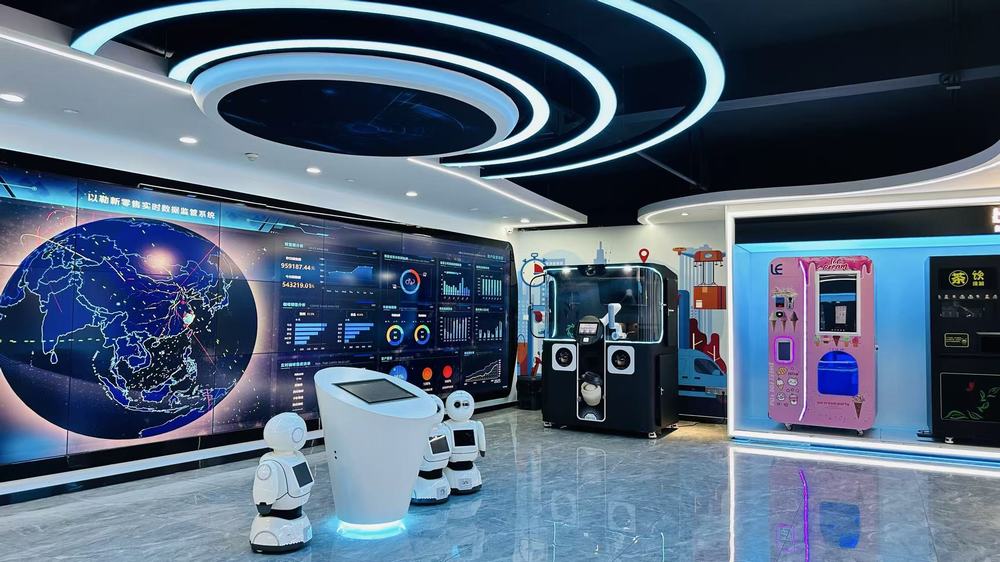
Globally, the automated unmanned retail market is expanding at a CAGR of 15.8% (2023-2030). Driven by labor shortages in key economic hubs, high operation rents, and strict hygiene protocols, smart robotic coffee kiosks have transitioned from novelty installations to essential infrastructure. In advanced markets like Seoul, Tokyo, Singapore, and now Ho Chi Minh City, developers and brand owners leverage robotic kiosks to monetize underutilized common areas (lobbies, transport terminals, high-tech business parks) that cannot support a full brick-and-mortar cafe.
Our manufacturing philosophy addresses the specific dual requirements of the HCMC market: the durability to handle high relative humidity (up to 80% average in southern Vietnam) and the hydraulic precision to process local, oil-rich coffee beans. By deploying advanced SDK configurations and proprietary grinder engineering, our systems prevent the internal clogging common in standard European coffee machines operating in tropical climates.
Tailored configurations featuring advanced MDB payment interfaces, custom branding wraps, and high-capacity milk texturing technologies.
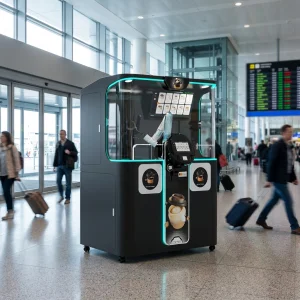
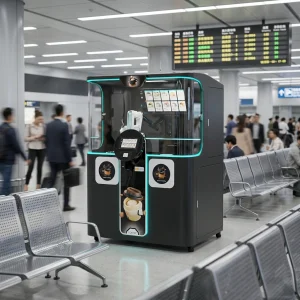
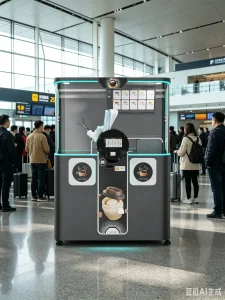
A key success metric for unmanned coffee kiosks in Vietnam is integration with the local mobile-first transaction grid. Our engineers provide extensive SDK documentation to link machine firmware with local API gateways. This allows instant QR-code generation on our HD touchscreen displays, supporting:
In addition to local transactions, our systems support dual telemetry options. Using an online management console, operators in Ho Chi Minh City can monitor real-time sales, adjust drink recipes, and track hopper levels remotely from any location globally.
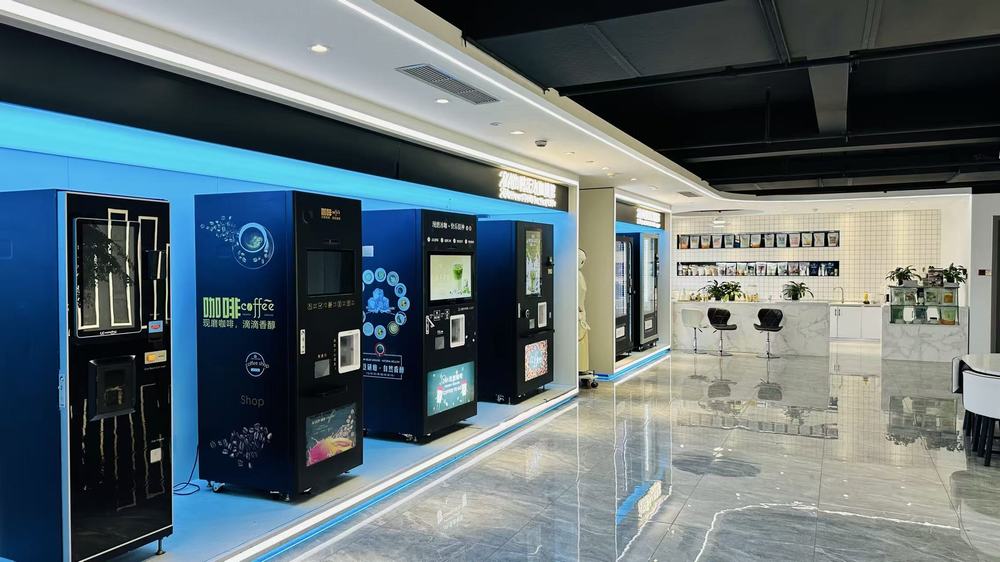
Southern Vietnamese roasting profiles utilize high percentages of Robusta beans, which are high in natural oils. Standard commercial espresso grinders often struggle with oil buildup, leading to inconsistent grinds and frequent jams. Our customized robotic kiosks are equipped with high-carbon steel conical burrs and a localized cleaning cycle. The machine is programmed to execute an automated compressed-air purge of the grinding chamber every 50 cycles, preventing residual oil buildup.
Furthermore, to manage the water mineral profile of Saigon (which varies significantly between District 2, Thu Duc, and District 7), our standard configuration includes a commercial-grade reverse osmosis water filtration assembly, protecting internal copper boilers from calcium scale deposits.
Leveraging 19 years of international export pedigree and strict ISO compliance to guarantee high reliability on the HCMC retail floor.


A pictorial insight into our raw materials preparation, assembly processes, robotic calibrations, and final packaging arrays.
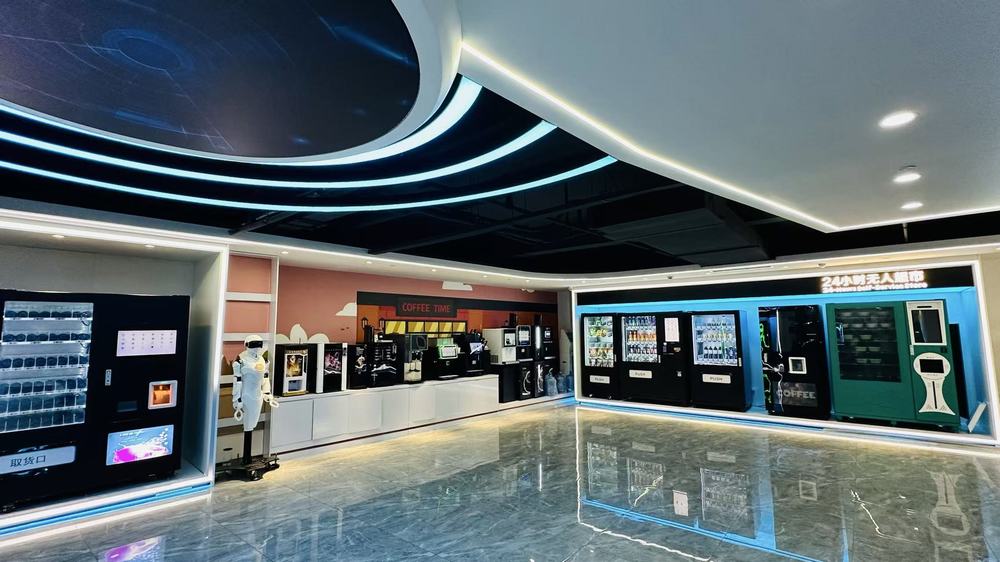
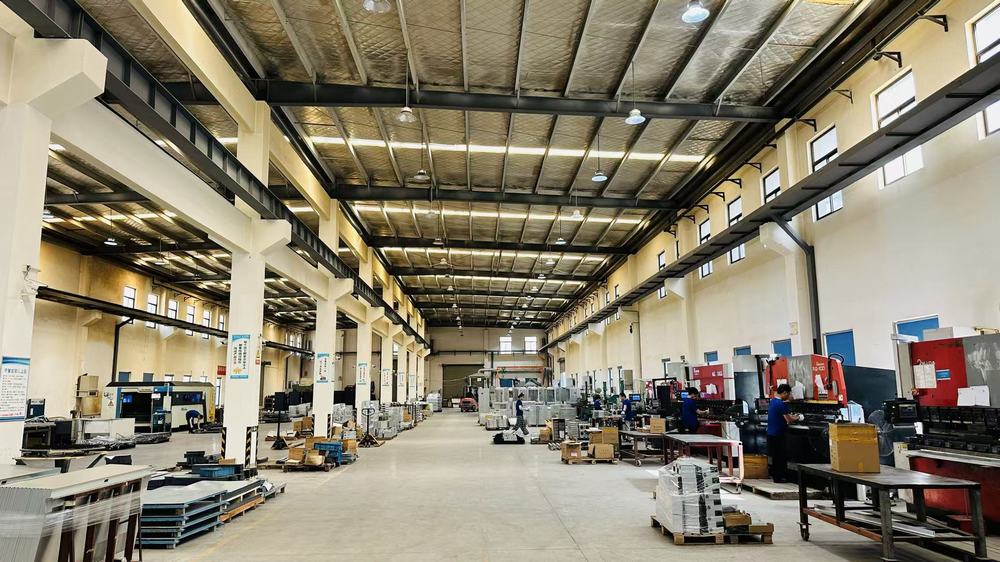
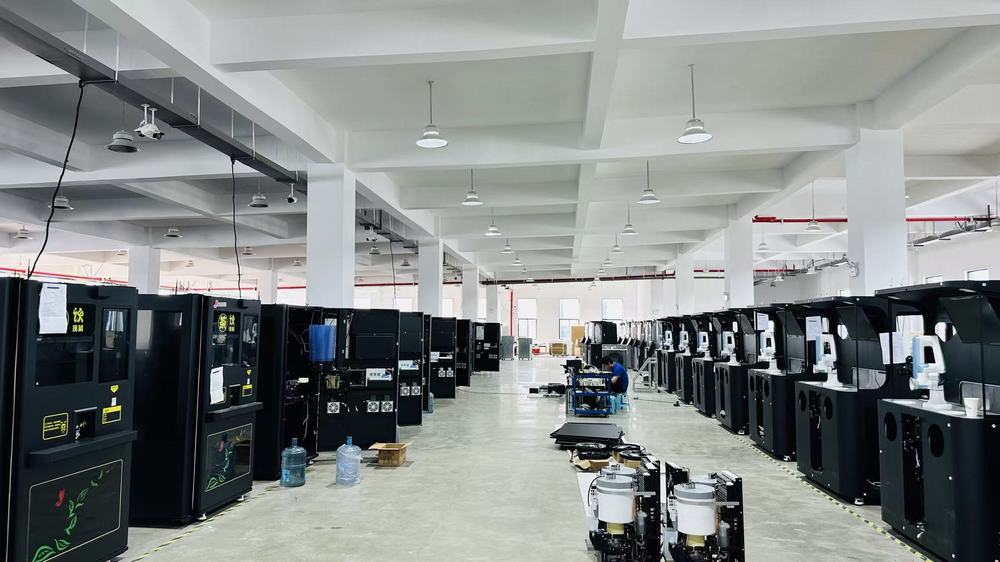
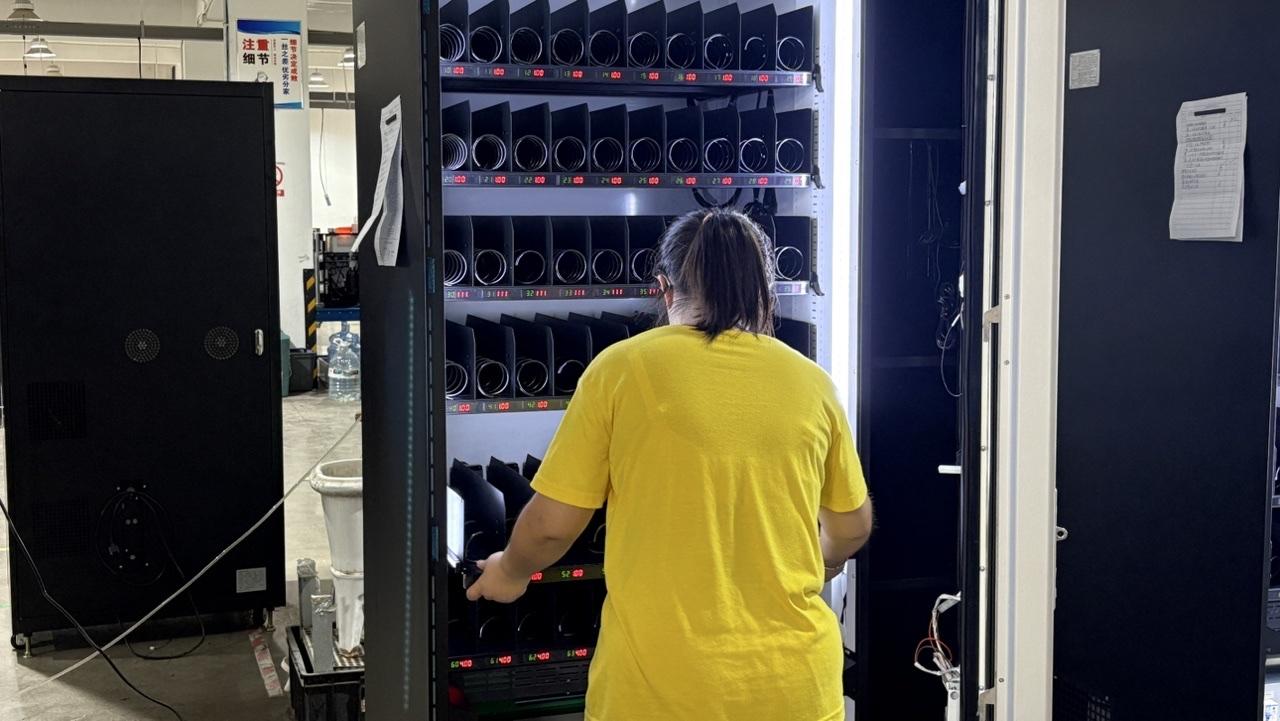
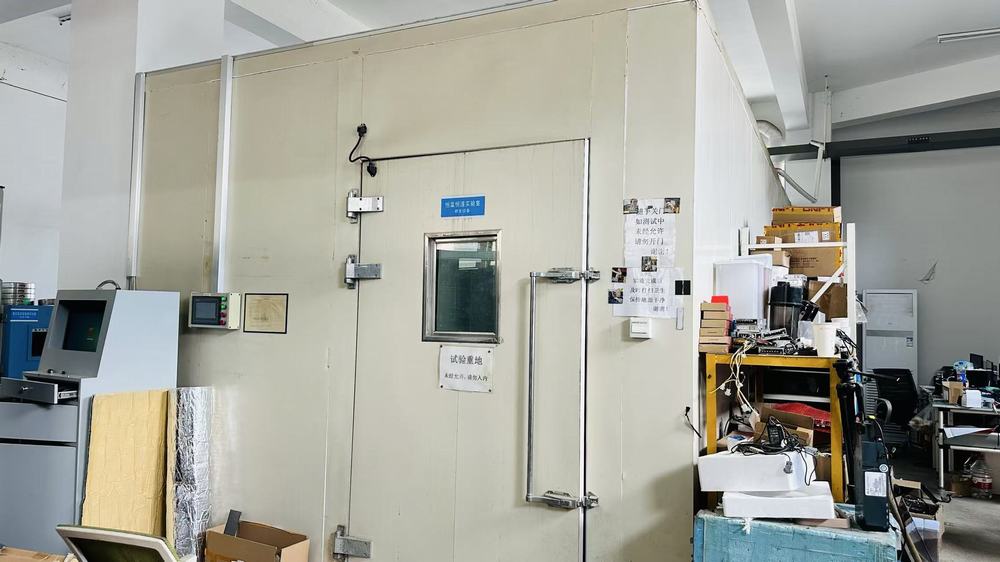
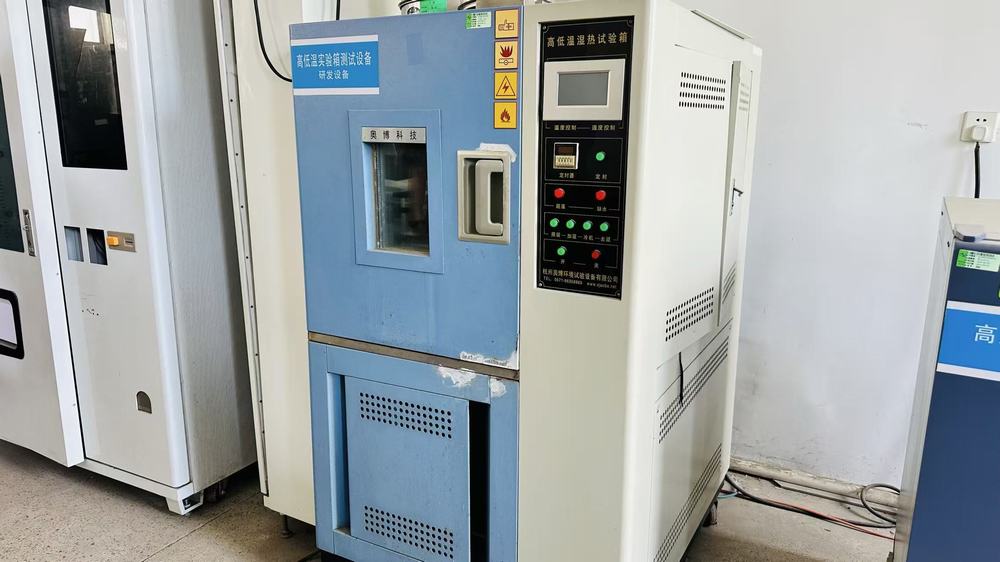
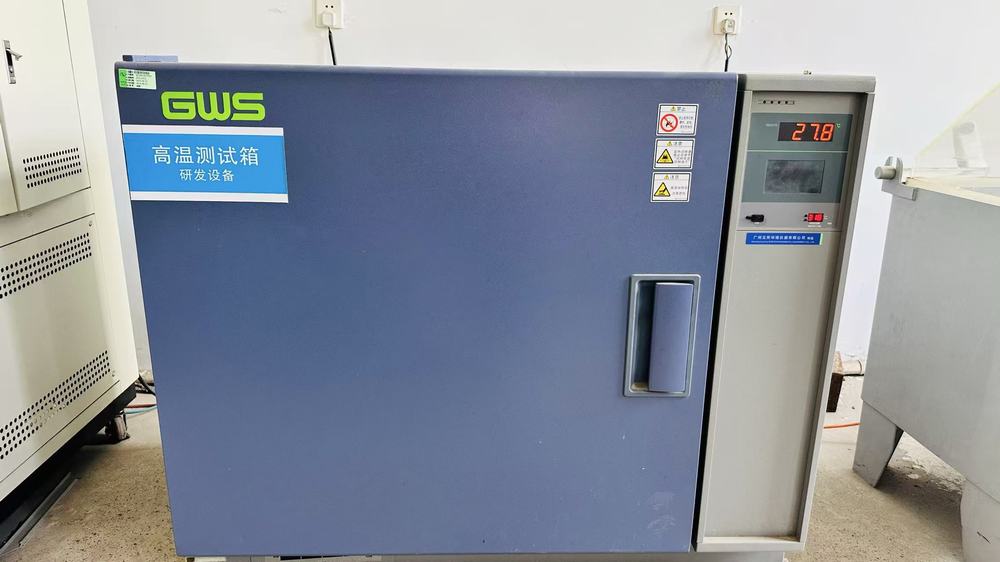
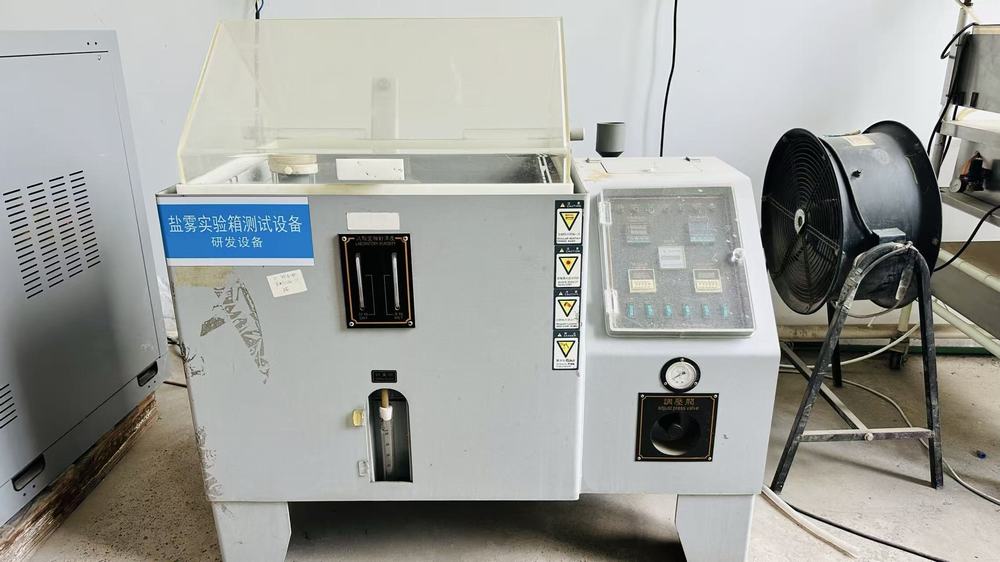
Explore our highly integrated models designed for commercial office lobbies, transit stations, and retail environments.
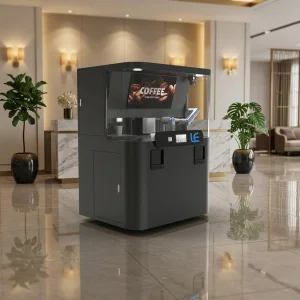
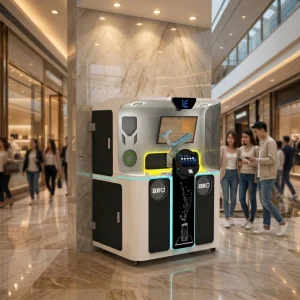
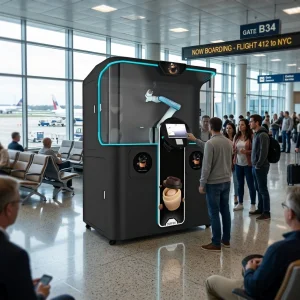
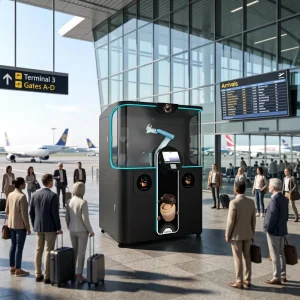
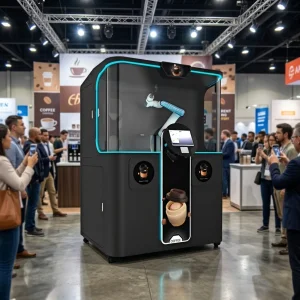
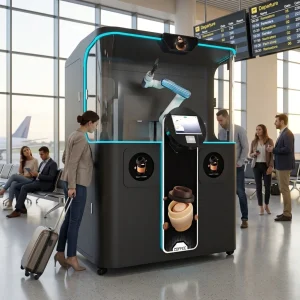
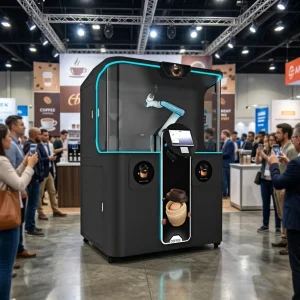
Deploying unattended robotic baristas in HCMC involves navigating unique infrastructural parameters. Our local installation framework prioritizes three primary components: physical security, power grid stability, and water safety standards (TCVN). Under typical urban operation profiles, municipal grid fluctuations can impact the sensitive telemetry and high-draw heating units of commercial brewers.
To mitigate this risk, our hardware features built-in surge protections and isolated microprocessors that safeguard the robotic control systems. The power supply units are built to operate seamlessly on local single-phase (220V/50Hz) or three-phase systems common in commercial buildings in District 1 and District 7.
Case Study: Deployment in SHTP (Saigon Hi-Tech Park). An office complex deployed a dual-arm robotic espresso kiosk with an integrated VietQR payment interface. Over six months, the machine maintained a 99.8% uptime rate, dispensing an average of 420 beverages per day. Operating labor costs were reduced by 90%, with maintenance activities restricted to daily cleanings and weekly refilling runs conducted by facility staff.
Maintaining sanitary standards in unmanned systems is essential. Our commercial coffee kiosks utilize a dual-compartment wash design. During hours of inactivity, the internal system runs a high-pressure sanitizing steam cycle (above 95°C) through all milk and brewing lines. This process clears organic proteins, meeting Quatest 3 food safety certification standards in Vietnam.
Answers to technical, operational, and deployment inquiries regarding robotic coffee machines in Ho Chi Minh City.
Get in touch with our technical sales division to receive detailed schematics, customized branding options, and wholesale shipping quotes for the southern Vietnam market.
Send Inquiry Now