JoeisaRobot
JoeisaRobot
JoeisaRobot
Engineered for high-volume settings in Seattle, combining precise robotic kinematics with advanced bean-to-cup brewing extraction.
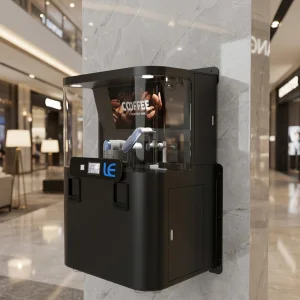
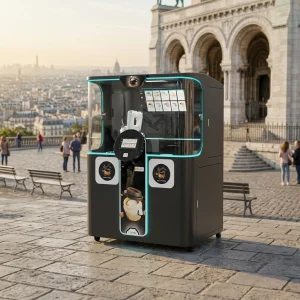
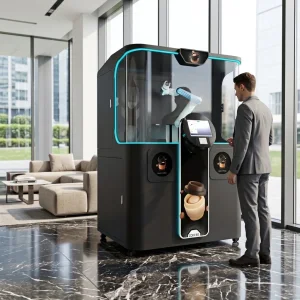
Seattle, Washington stands globally recognized as the historic epicenter of specialty coffee. From the foundational roasters at Pike Place Market to the corporate offices of multinational chains, the Pacific Northwest sets the standard for espresso quality, extraction science, and cafe operations. However, the contemporary commercial landscape in King County faces unprecedented macroeconomic pressures: rising hourly labor rates, persistent staffing deficits, and escalating real estate leases.
In response, high-traffic commercial environments—ranging from downtown Class-A office high-rises to medical campuses in First Hill, transport complexes at Sea-Tac, and tech campuses in Bellevue—are shifting rapidly toward automation. As a leading manufacturer of robotic coffee machines, we design commercial-grade autonomous coffee solutions tailored to the exacting expectations of the Seattle market.
Integrating robotic baristas into Seattle's metropolitan landscape requires more than placing a standard vending unit on-site. The local audience demands high-extraction espresso profiles, real-time custom milk texturing (including non-dairy options such as oat and almond milk), and interactive digital payments. Our machines integrate easily into existing local point-of-sale systems, building security passes, and corporate wellness programs using flexible SDKs and standard MDB (Multi-Drop Bus) communication protocols.
Dual-boiler heating systems combined with precision flat-burr grinders replicate traditional tamping and extraction ratios for true crema-rich espresso.
Open SDK framework allows developers in Seattle's tech corridor to design bespoke loyalty apps, campus card readers, and remote telemetry integrations.
Automated, closed-loop sanitizing cycles meet strict King County public health compliance protocols, reducing daily maintenance overheads.
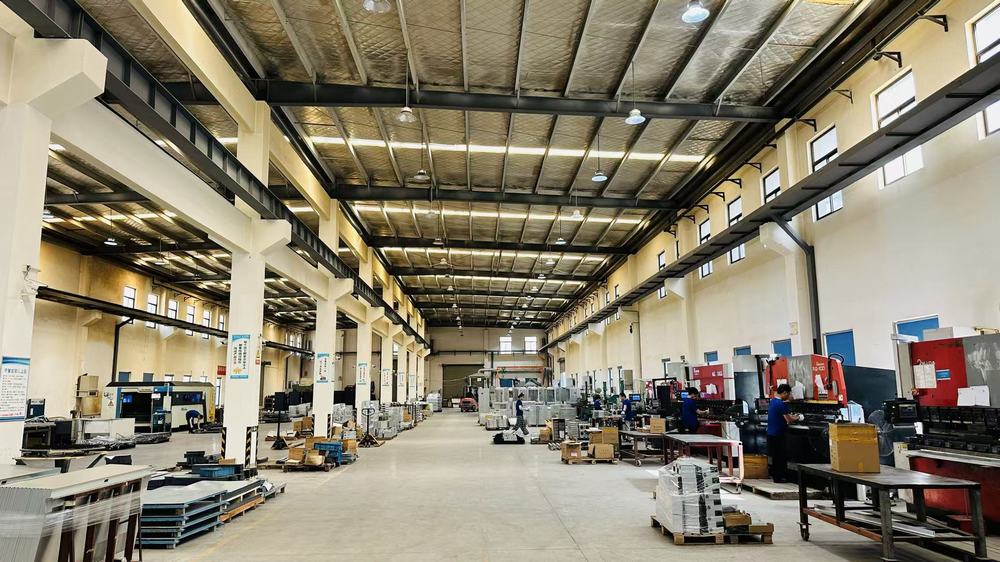
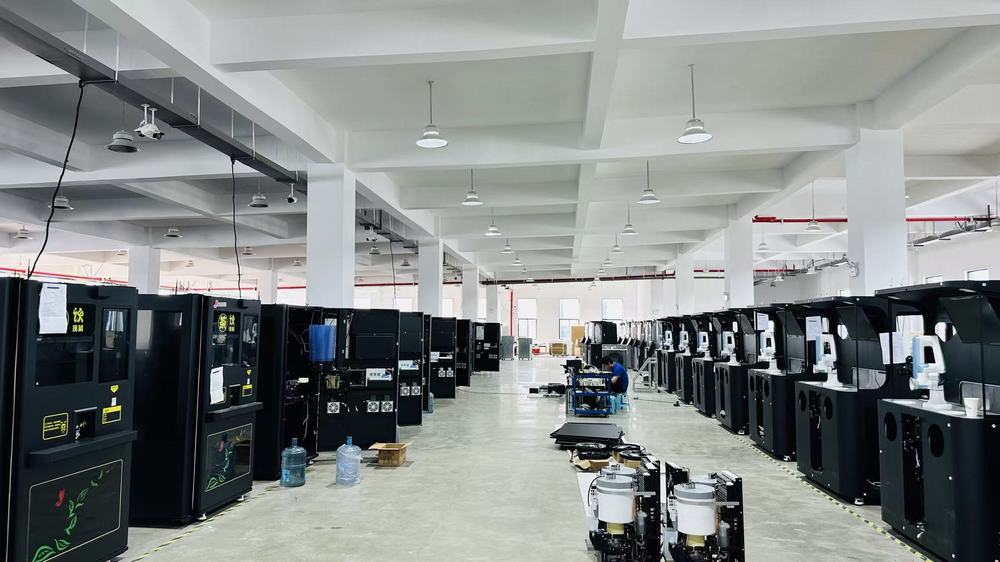
We are a vertically integrated manufacturer specializing in heavy-duty automated beverage kiosks. Established in 2007, our production facility spans 32,496 square meters, utilizing six high-efficiency assembly lines designed for mass customization (OEM/ODM). Operating with a dedicated crew of 15 graduate R&D engineers, we continuously innovate in mechanical kinematics, fluid control, and cloud computing protocols.
Our global footprint spans Southeast Asia, North America, and Europe. By integrating local distribution partners in Seattle and across the United States, we provide direct logistics, technical commissioning, and responsive post-sales parts support.


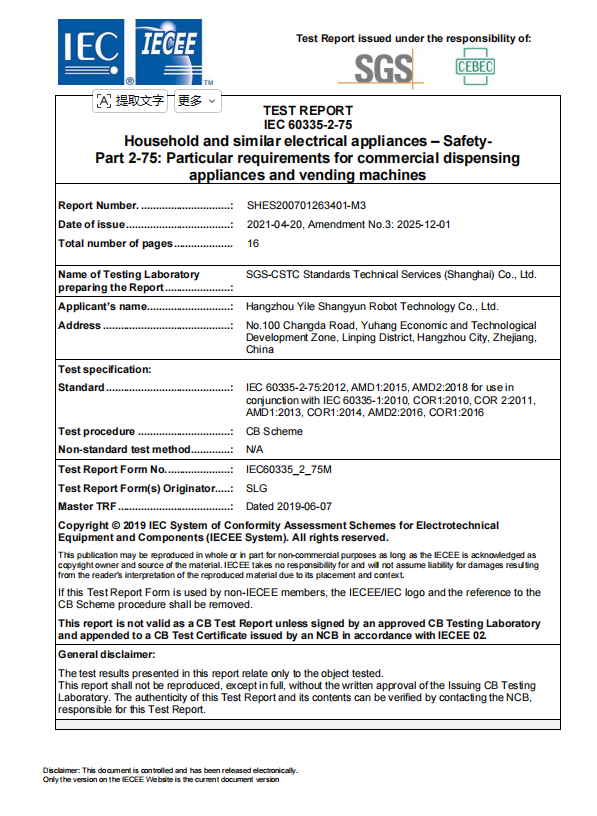
Optimized systems developed for maximum throughput, low downtime, and seamless user interaction.
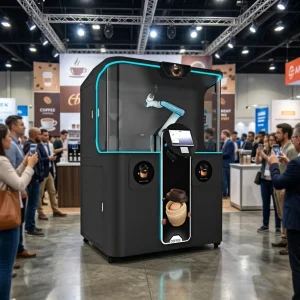
In large tech parks in South Lake Union and Redmond, staff seek premium amenities outside standard operating hours. A robotic barista kiosk offers 24/7 service without needing dedicated baristas on shift. Employees can customize their orders via an intuitive touchscreen, selecting specific roast strengths, syrups, and milk foam density to match their preferences.
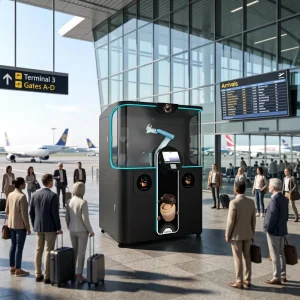
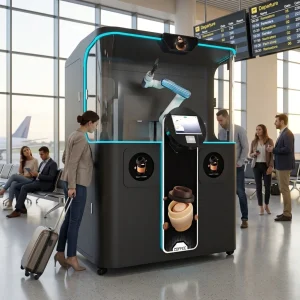
Transit terminals require speed and operational durability. Our high-standard 6-axis robotic arm units process complete beverage sequences in under 60 seconds, from cup placement and coffee tamping to fresh milk texturing and latte art printing. These units are built to withstand high-volume demand during morning commuter rushes.
Academic institutions and healthcare facilities benefit from closed-circuit management. Telemetry dashboards allow facility managers to monitor ingredient levels, track real-time sales statistics, schedule automatic thermal rinse sequences, and adjust menu pricing across multiple machines from a central console.
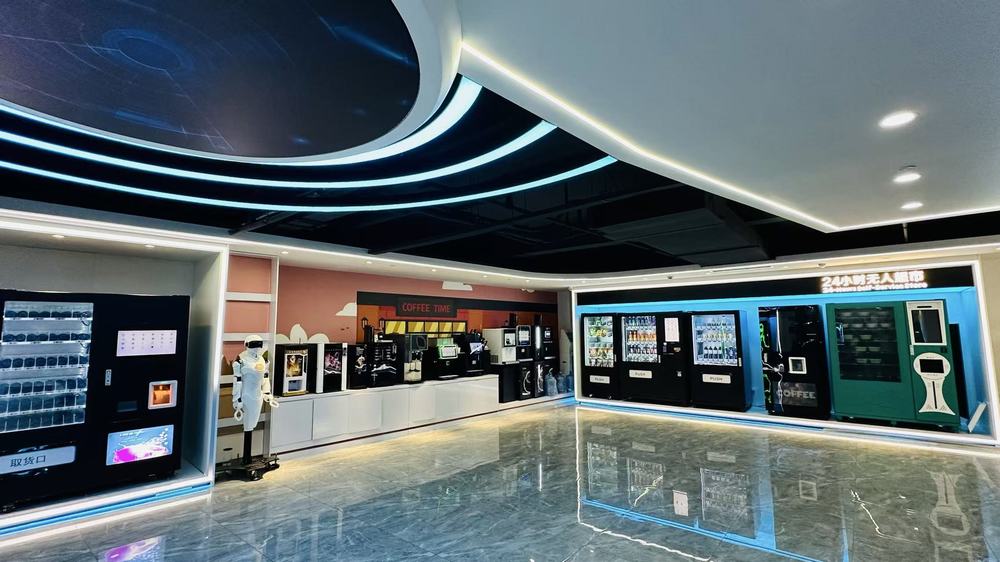
Explore our industrial range of robotic barista solutions and smart vending machines configured for Seattle retail operators.
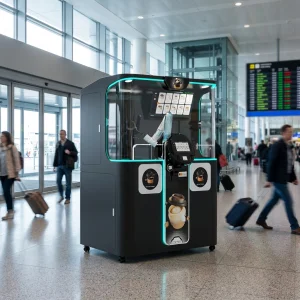
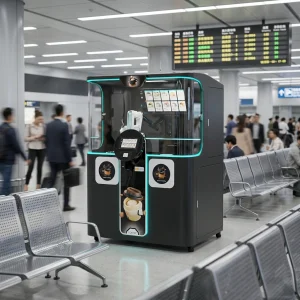
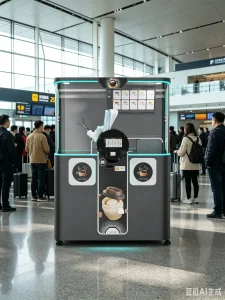
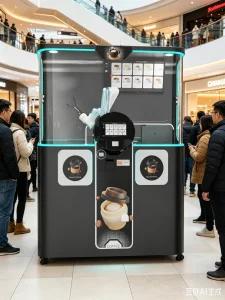
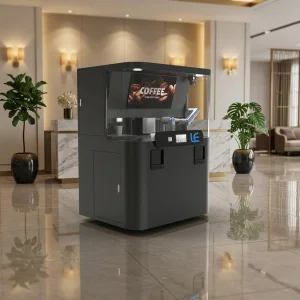
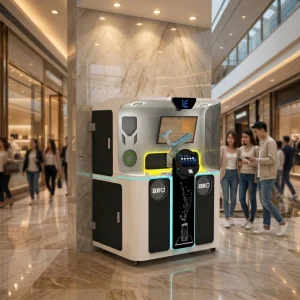
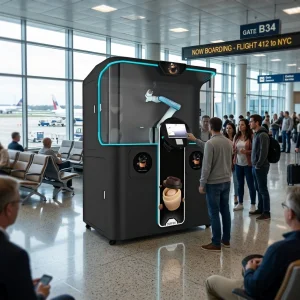
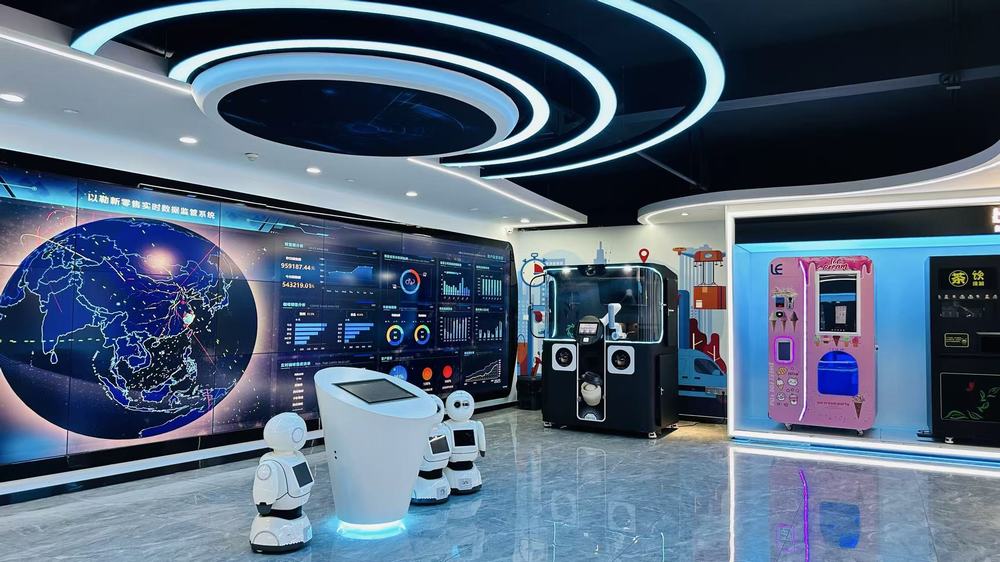
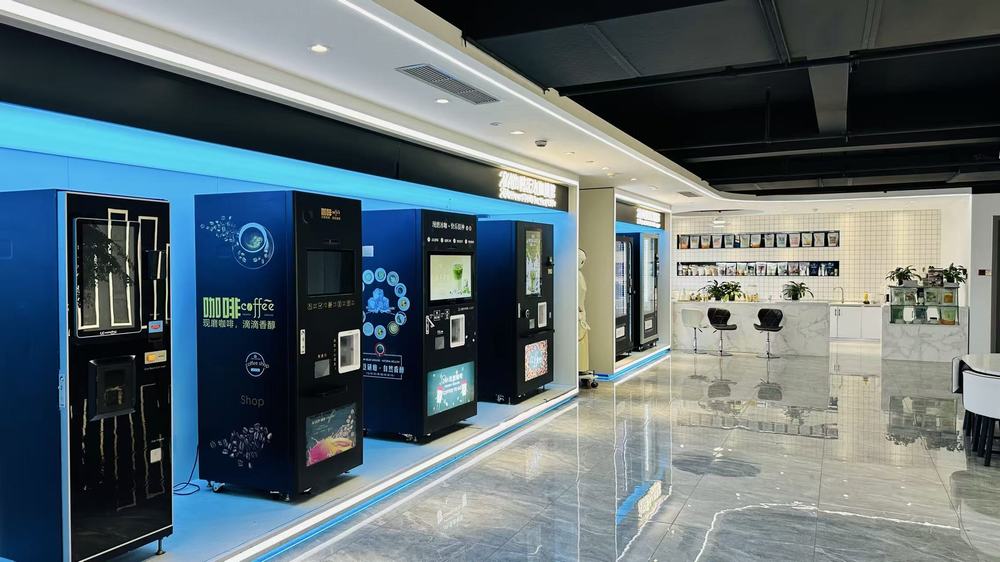
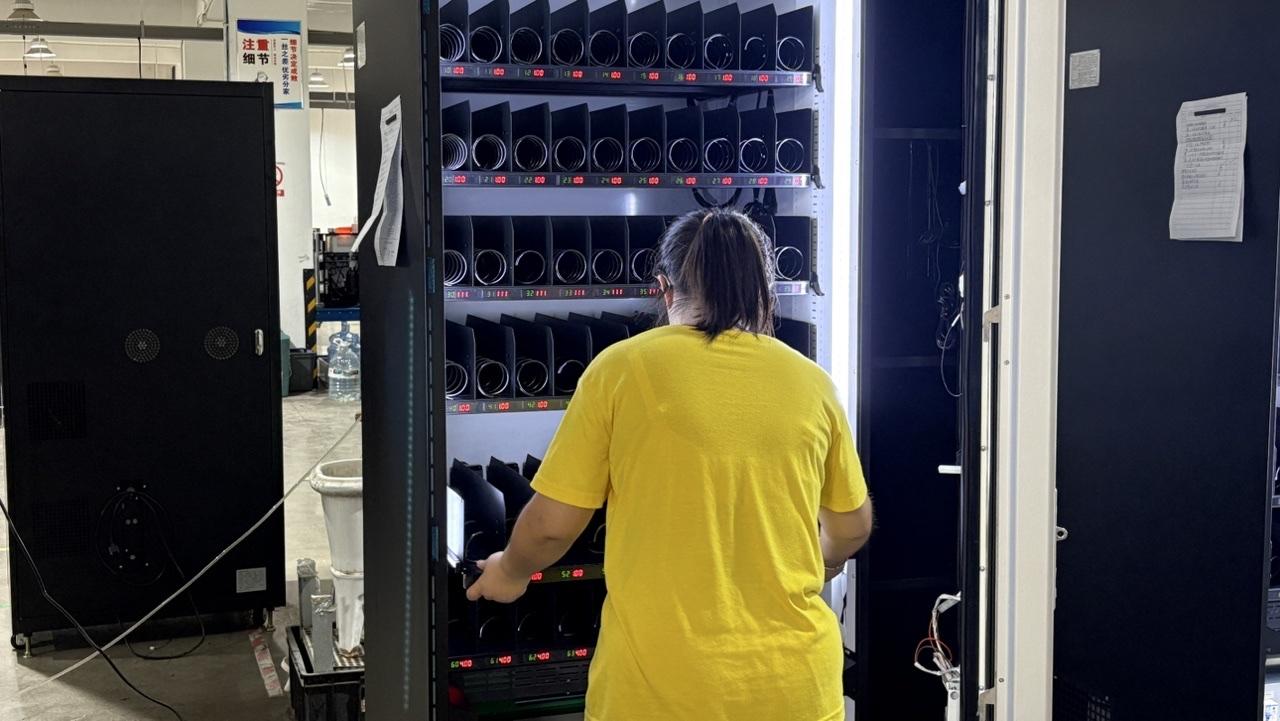
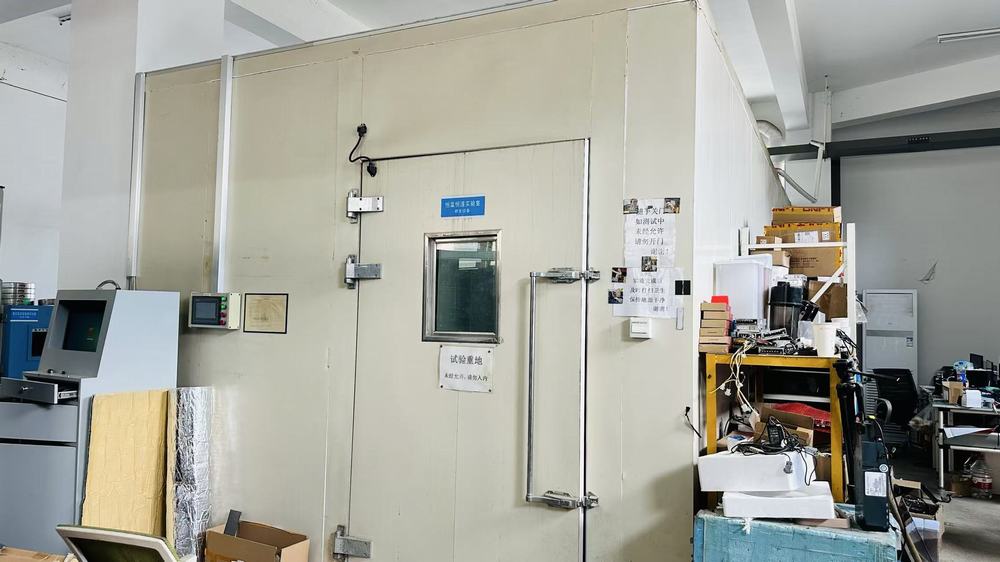
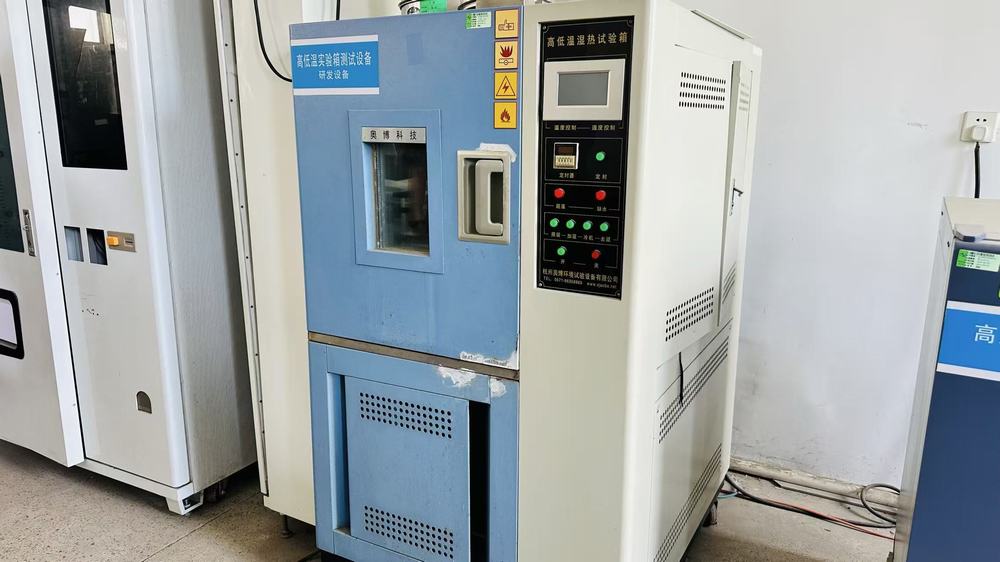
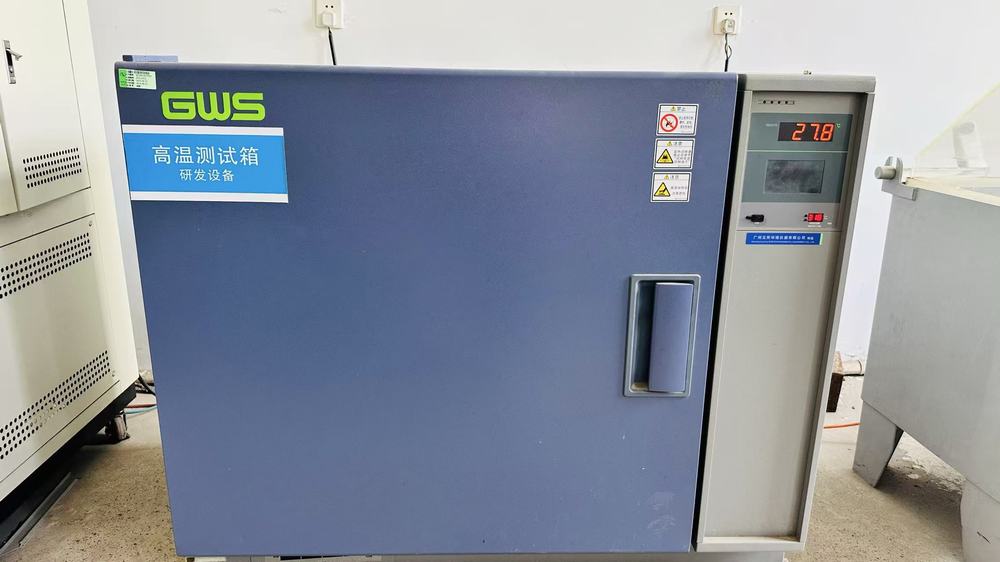
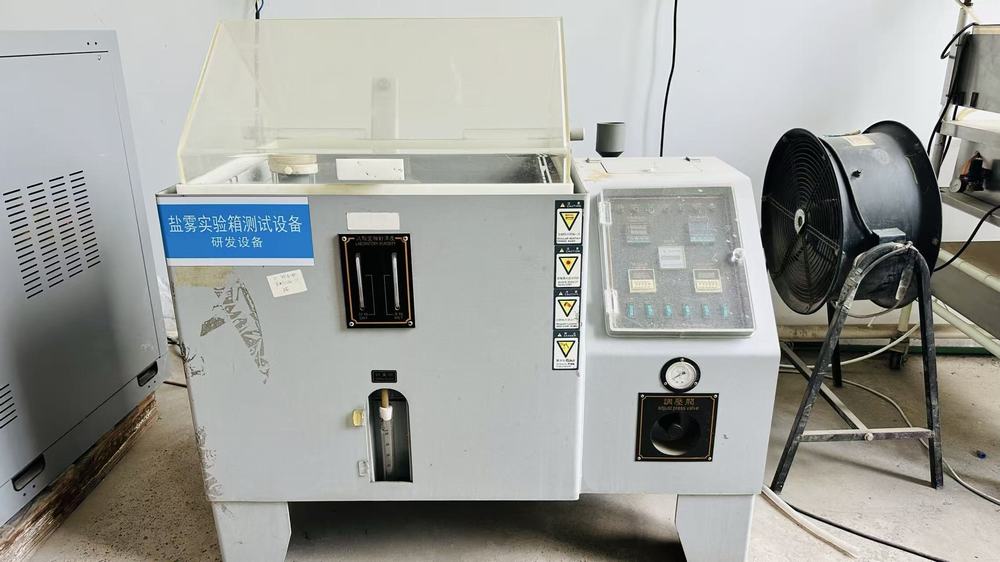
A closer look inside our 32,496m² production workshop, showing assembly line operations and strict quality control verification.
Technical answers for prospective buyers, business partners, and operations managers in Seattle.
Our systems control the entire extraction cycle: pre-infusion time, pump pressure profiles, and water temperature. Using flat ceramic burr grinders and commercial-grade brewing groups, we ensure consistency that rivals manual espresso extraction, satisfying Seattle's discerning coffee tastes.
The system supports MDB (Multi-Drop Bus) for coin selectors, bill validators, and card readers. The SDK provides network APIs for custom interface designs, remote payment integration, building access card verification, and enterprise employee stipend programs.
Our coffee machines feature an integrated automatic cleaning program. High-temperature water and steam flush the internal milk frother, milk lines, and coffee brewing group at scheduled intervals. This closed-loop system meets NSF-standard sanitation and King County Public Health compliance.
Most commercial units require a dedicated 220V AC (50/60Hz) connection, a direct water intake line with a 3-stage filtration system, and a standard drainage outlet. Storage capacities support 150 to 200 cups before requiring bean or milk refills.
Our centralized cloud management portal provides live dashboards detailing ingredient levels, cup sales metrics, machine temperature statuses, and cleaning logs. Real-time notifications alert operators when it is time to restock coffee beans, fresh milk, or cups.
For standard equipment, lead times range from 25 to 40 days from our manufacturing site. We work with local equipment distributors and maintenance partners in Seattle to provide responsive on-site setup, regular calibration, and prompt warranty parts replacement.
Connect with our technical product managers. Request comprehensive pricing details, customize unit configurations, or discuss logistics for deliveries to Seattle and the wider Pacific Northwest.
Send Inquiry Now