JoeisaRobot
JoeisaRobot
JoeisaRobot
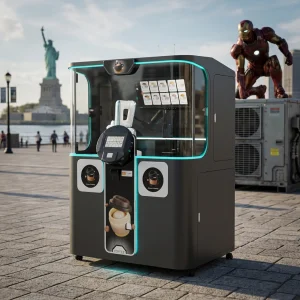
Engineered for high durability, structural integrity, and local telemetry system integration across major metropolitan hubs.
The unattended retail landscape across Oceania—particularly within the Commonwealth of Australia—is undergoing an unprecedented structural transition. In a post-pandemic economy defined by acute labor shortages, escalating operational overheads, and a strong preference for localized micro-markets, intelligent vending terminals have evolved from simple product dispensers into highly sophisticated, cloud-connected commercial hubs. This rapid evolution has placed immense pressure on fleet uptime, elevating the critical importance of selecting a reliable supply partner for high-precision components and spare parts.
Operating a successful vending network across Australia presents distinct geographical and technical challenges. Unlike the highly integrated logistics chains of continental Europe or East Asia, Australian networks are spread across vast distances. Major urban centers like Sydney, Melbourne, Brisbane, Adelaide, and Perth are separated by thousands of kilometers of arid terrain. High-altitude mining operations in the Pilbara region of Western Australia and remote agricultural hubs rely heavily on automated systems to dispense personal protective equipment (PPE), industrial tools, and fresh food 24/7.
Consequently, the operational cost of field maintenance is exceptionally high. A single component failure—whether an MDB communication board, a spiral gear motor, or a refrigeration compressor—can result in extensive machine downtime and high travel costs for technicians. Therefore, Australian operators require parts built with high thermal tolerance, physical durability, and strict electrical compliance (such as RCM certification under the Australian Communications and Media Authority framework).
On a global scale, the automated retail sector is dominated by IoT telemetry. Cashless payments now represent over 85% of transaction volume in Oceania. Integration with local transaction networks like EFTPOS, Visa payWave, Mastercard, and mobile digital wallets requires seamless communication protocols. Most automated terminals rely on the Multi-Drop Bus (MDB) standard, which enables secure communication between the main controller board and payment systems like bill acceptors, coin mechanisms, and cashless terminals (e.g., Nayax, Quest, and local Australian banking modules).
As a global exporter, we align our product configurations with these strict protocol requirements. We utilize advanced microcontroller units (MCUs) that support SDK customization, allowing operators to configure telemetry software to interface directly with Australian cellular networks (such as Telstra and Optus IoT systems). This ensures real-time stock tracking and predictive maintenance alerts, significantly reducing unexpected downtime.
Combining systematic quality control protocols with advanced production capacity to supply high-reliability components globally.
| Operations & Technology Capabilities | Quality Control & Supply Chain Parameters | ||
|---|---|---|---|
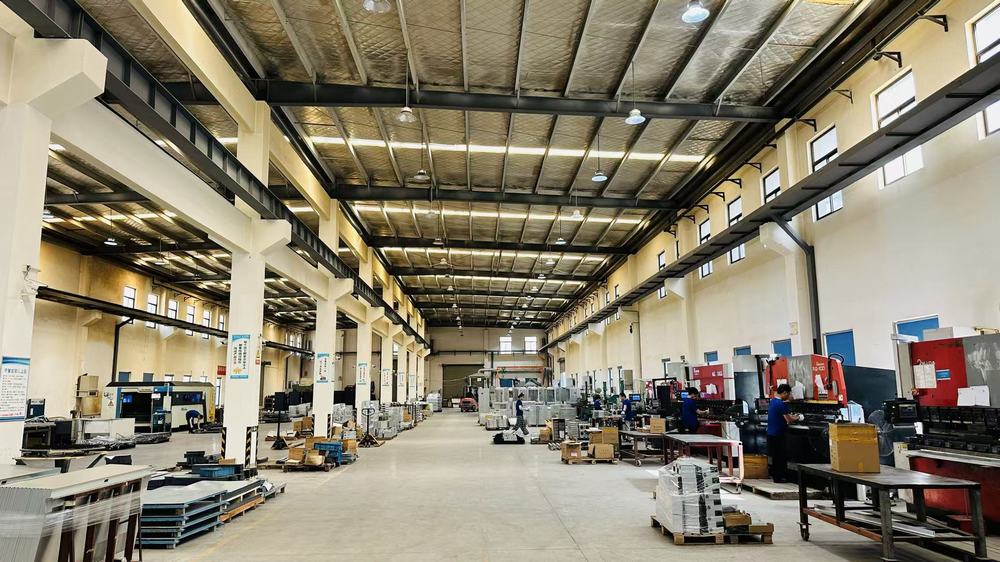
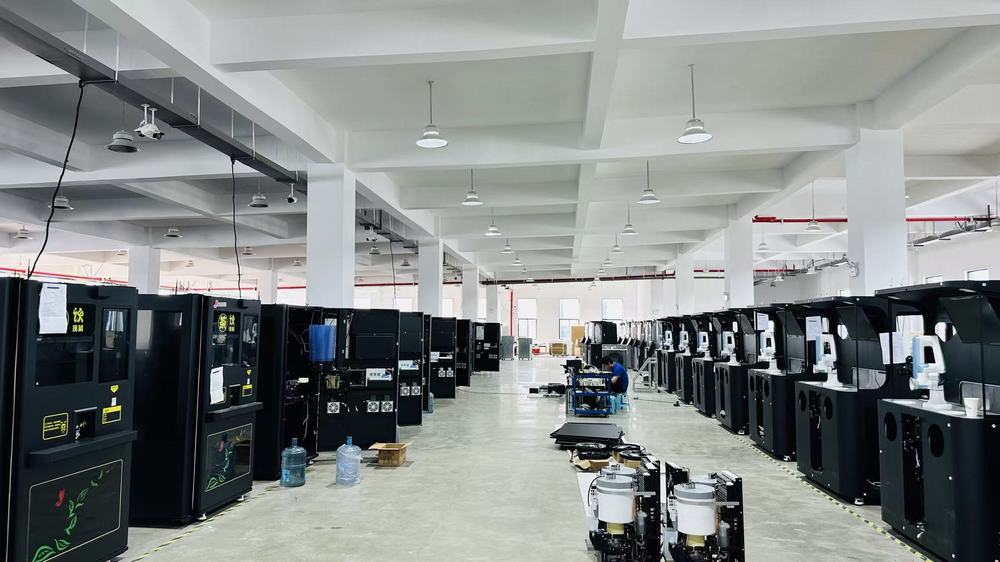
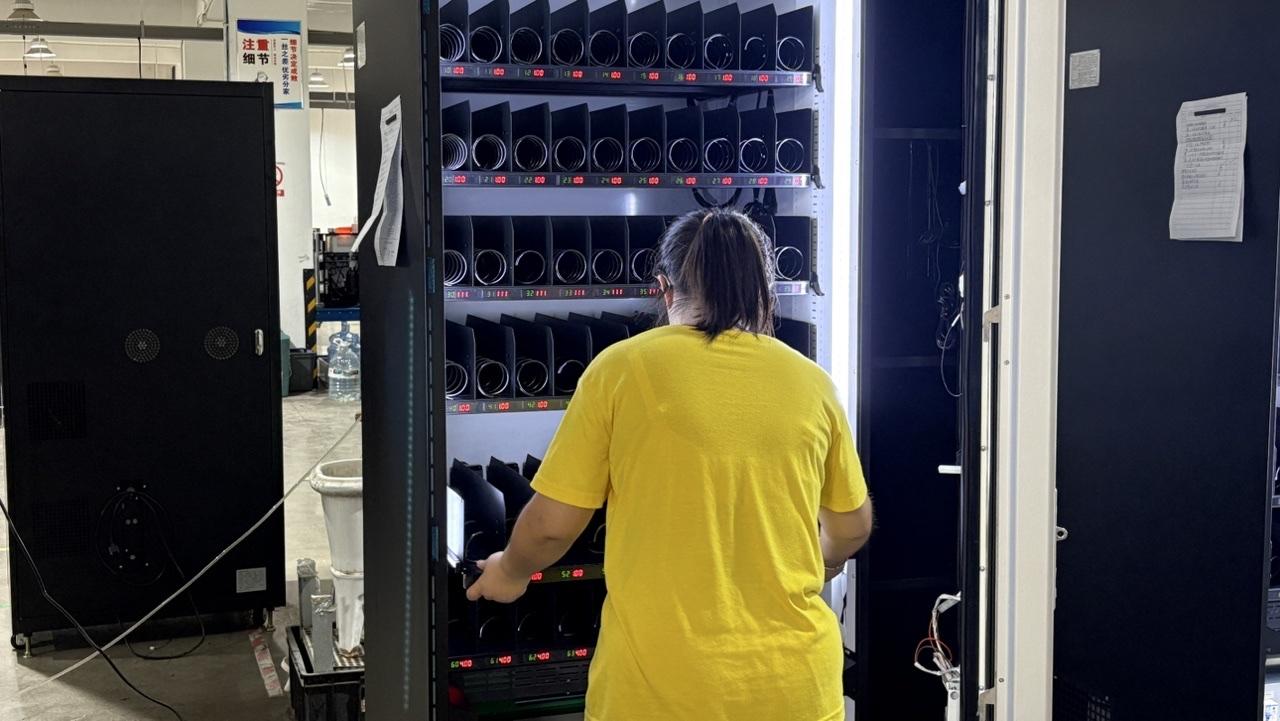
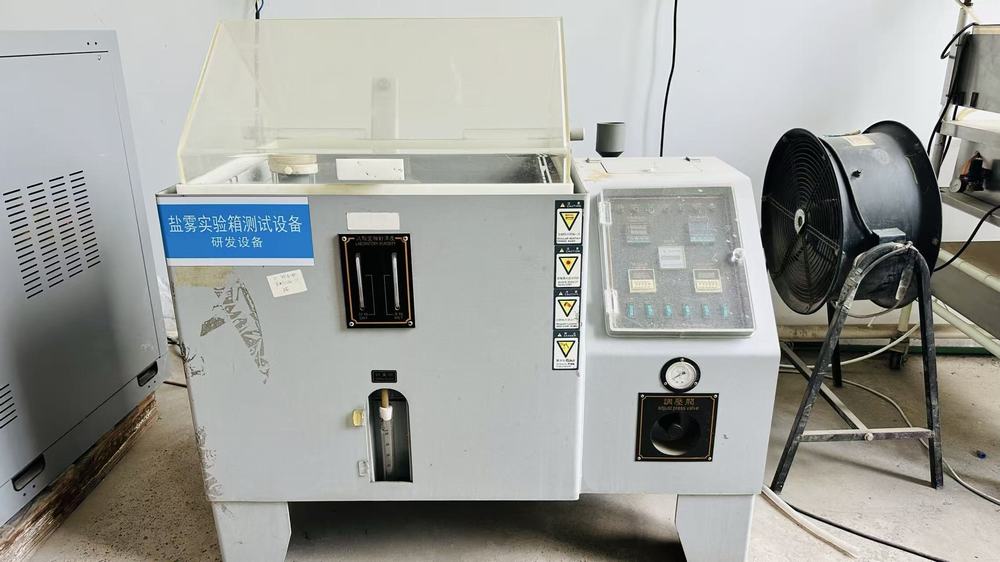
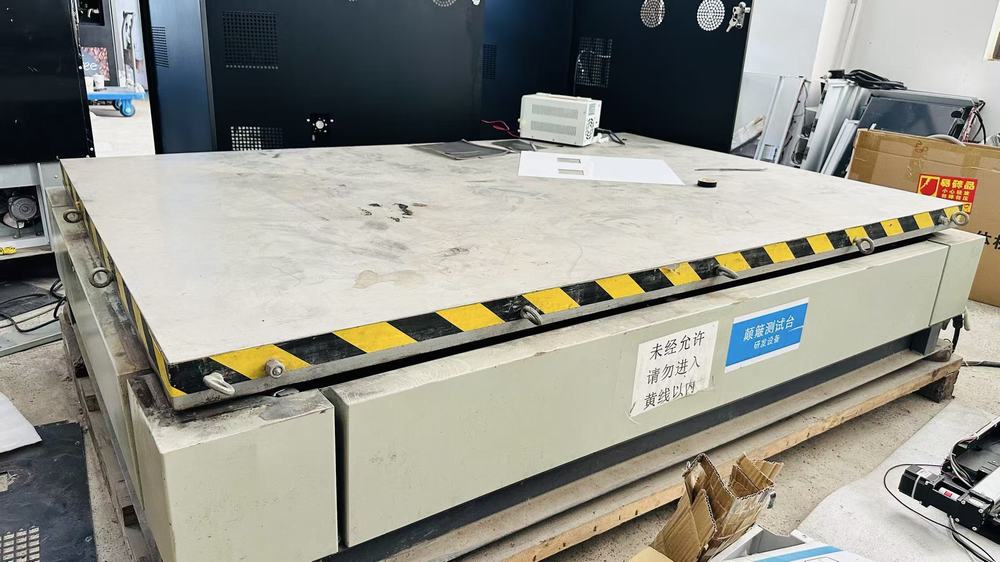
| Production Lines | 6 Active Assembly Lines | Raw Material Traceability | Yes, fully digitized ERP tracking |
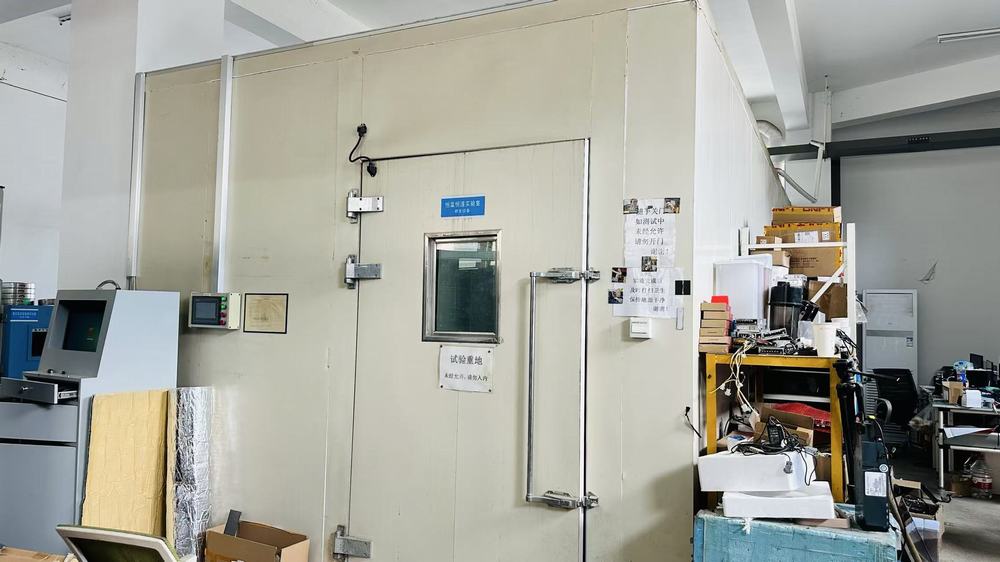
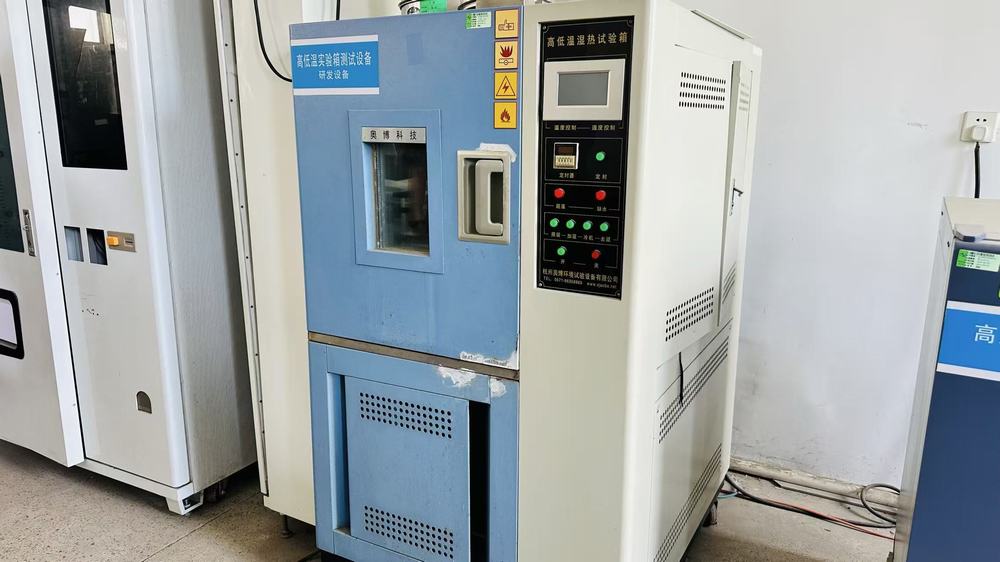
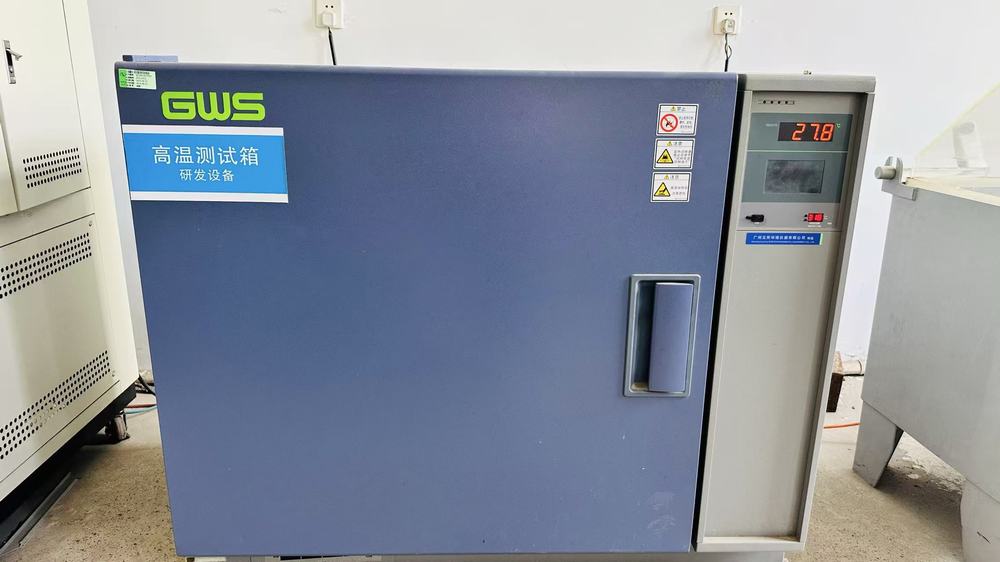
| R&D Engineering Team | 15 Dedicated Graduate Engineers | Quality Inspection Method | 100% full-line functional testing |
| Customization Capabilities | Light customization, OEM/ODM blueprints, SDK programming | Active QA/QC Inspectors | 14 dedicated specialists |
| Key Markets Served | Southeast Asia (35%), Oceania & Domestic (20%), North America (10%) | Accepted Languages | English, Spanish, Italian, Russian |
 ISO 9001 (NOA1827667)
 ISO 14001 (NOA1998653)
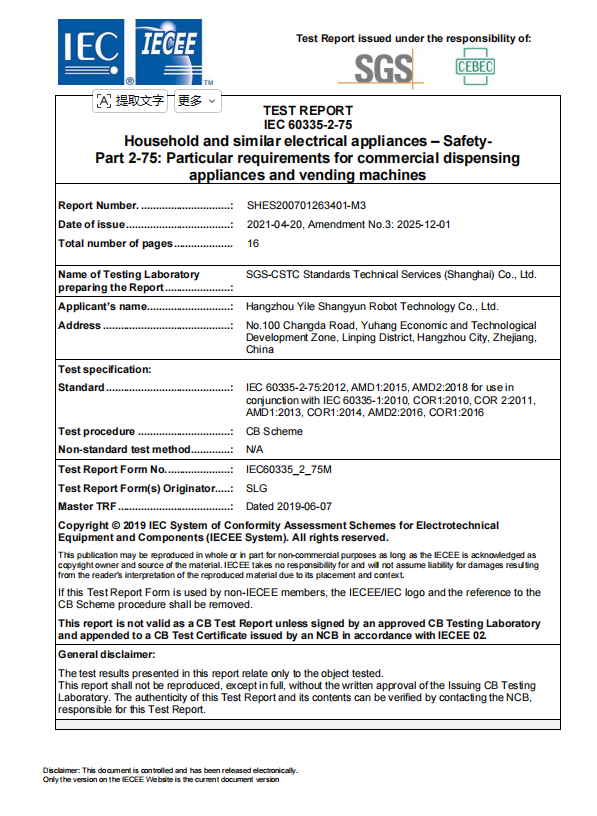
 IEC 60335 (SHES200701263401-M3 / BE-39202/M3)
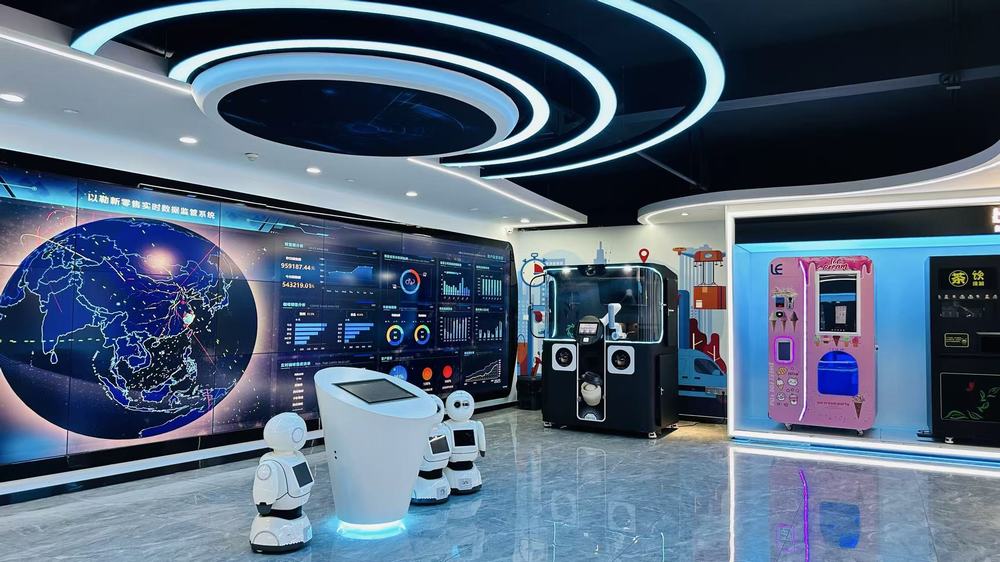
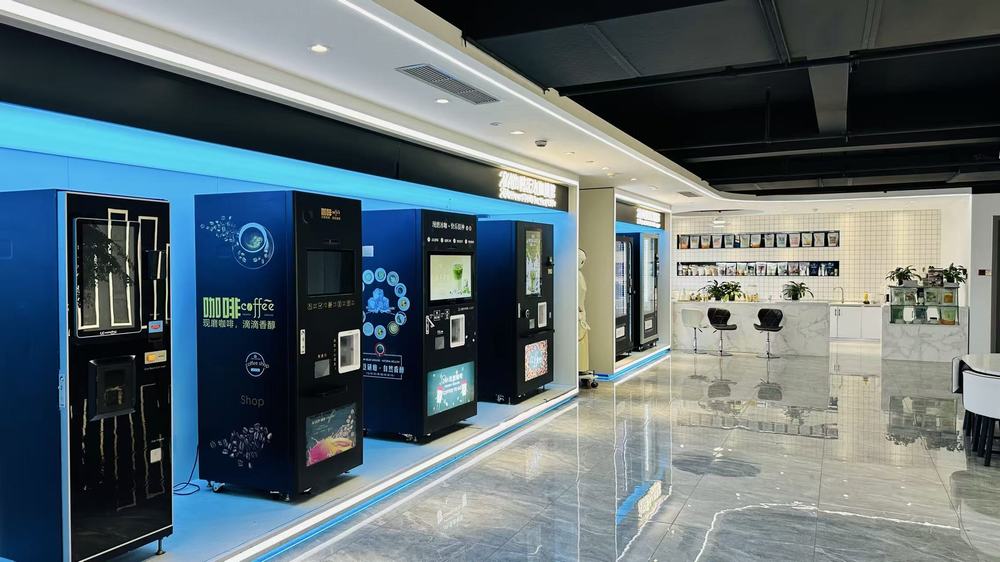
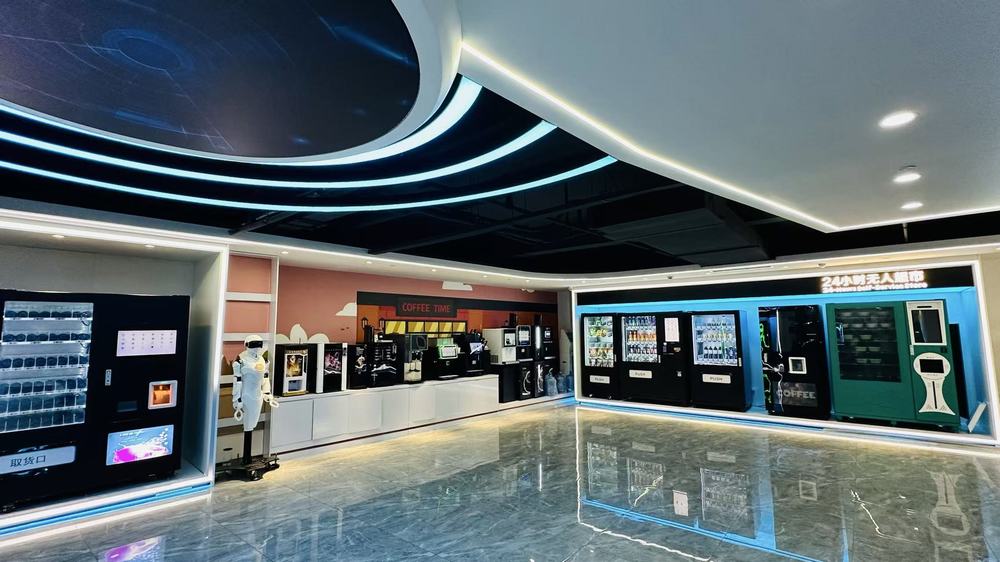
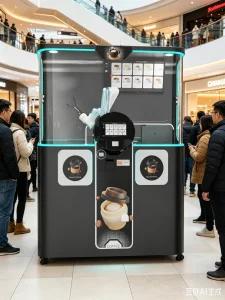
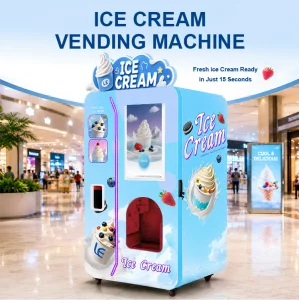
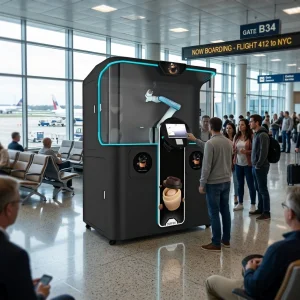
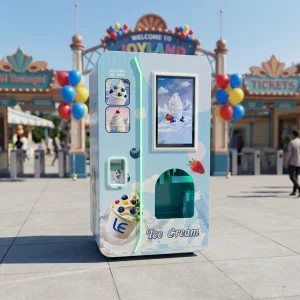
Advanced commercial platforms utilizing robotic arms, smart dosing algorithms, and real-time operational feedback.
By leveraging advanced raw material clusters, automated CNC steel fabrication, and direct injection molding facilities, we deliver high-precision components with short lead times.
A key challenge in vending logistics is the high cost of maintenance. To address this, we optimize the design of high-wear parts. Our components feature reinforced gear teeth, high-torque DC motors, and heavy-duty springs that resist mechanical fatigue. By using food-grade plastics and non-corrosive metals, our parts extend the service life of dispensing systems, even under demanding, high-frequency operation in retail centers.
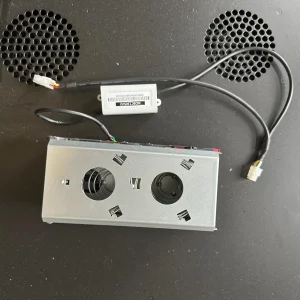
Our MDB and DEX interfaces are designed to plug directly into existing wiring harnesses. They are fully compatible with local payment platforms, allowing operators to deploy systems quickly without modifying on-site wiring or configuration settings. We also provide full firmware customization (SDK) to allow remote calibration of sensors and optical drop detectors, making it easy to adapt units to product size changes.
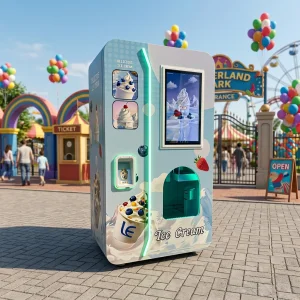
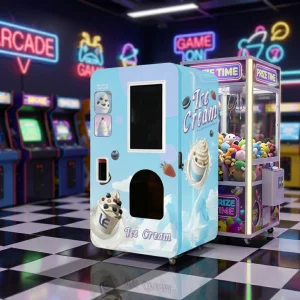
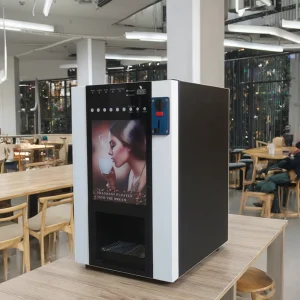
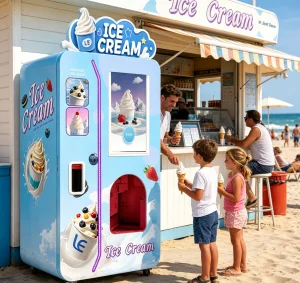
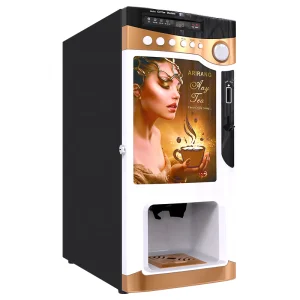
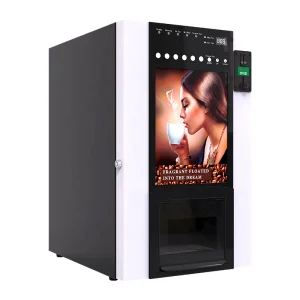
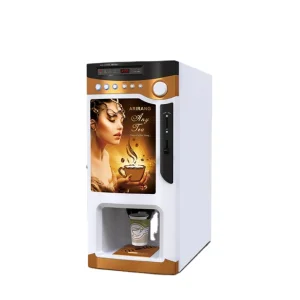
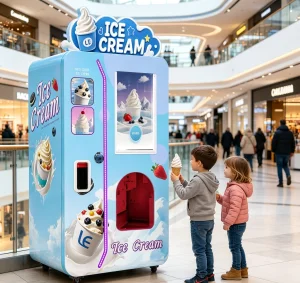
Premium coffee brewers, ice cream kiosks, and high-frequency instant drink components designed for remote telemetry integration.
Get in touch for bulk container rates, customized MDB controllers, and detailed technical datasheets from our engineering team.
Send Inquiry NowAnswers to common questions regarding standards, telemetry integration, and procurement for operations in Oceania.