JoeisaRobot JoeisaRobot
Industrial Sourcing Guide 2025

Top 10 Commercial Blender Factories & Exporters

Unlocking High-Volume Beverage Automation: Expert Sourcing Intelligence, Technical Roadmaps, and Leading OEM/ODM Manufacturing Partners

GLOBAL TRENDS

Global Commercial Blender & Automated Dispensing Market Dynamics

The global food service sector is experiencing a major transition toward automated beverage systems. Driven by rising labor costs, strict hygiene protocols, and the need for consistent product quality, modern commercial operations require commercial blenders, ice-crushers, and dispensing terminals that operate seamlessly with minimal manual supervision.

According to global industry research, the demand for smart commercial blenders and beverage automation technology is expected to grow at a CAGR of 6.8% through 2030. Key regions driving this growth include North America, Northern Europe, and Southeast Asia. The rise of drive-thrus, unmanned cafes, and smart convenience store kiosks has accelerated the need for multi-functional systems that can blend, dispense, and clean themselves autonomously.
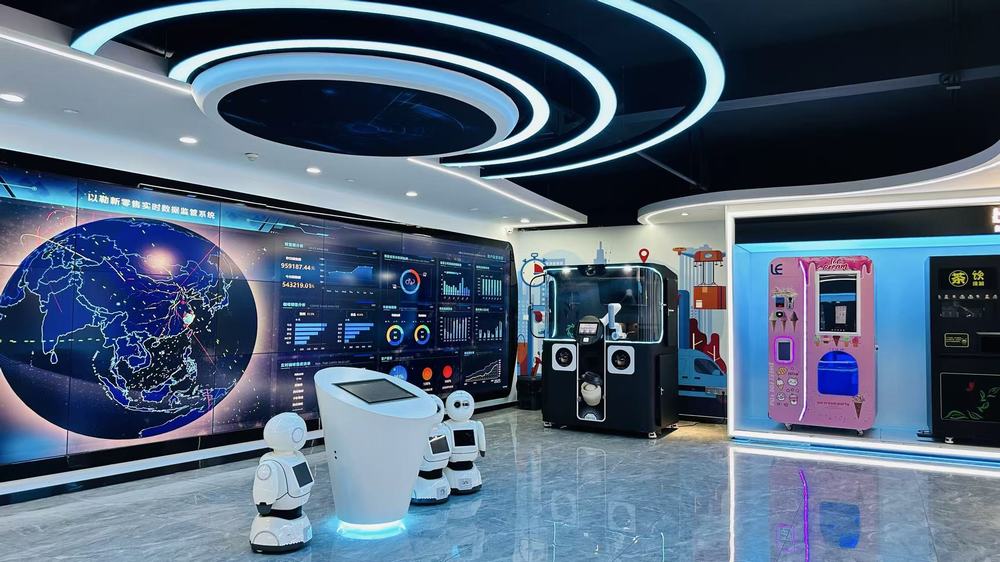
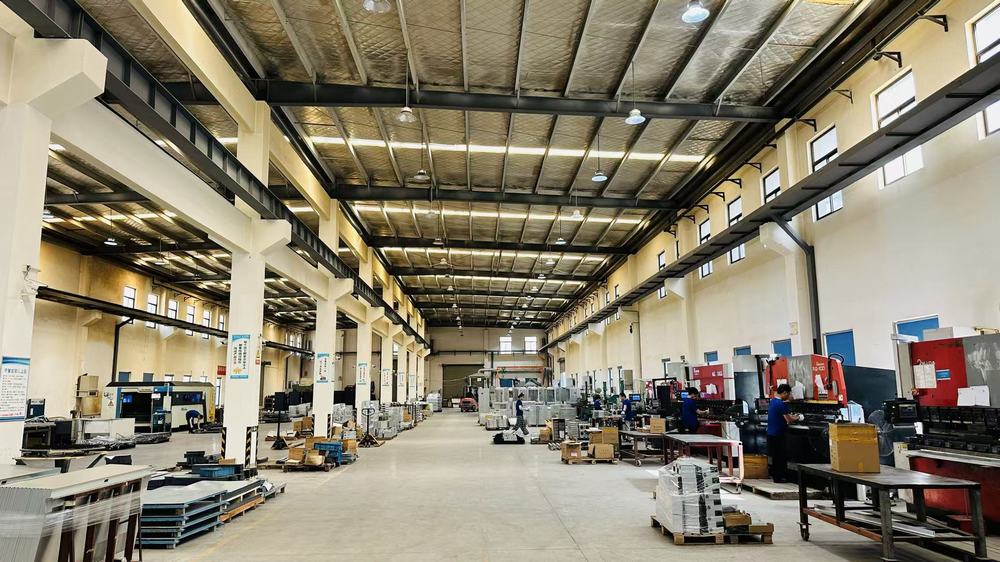
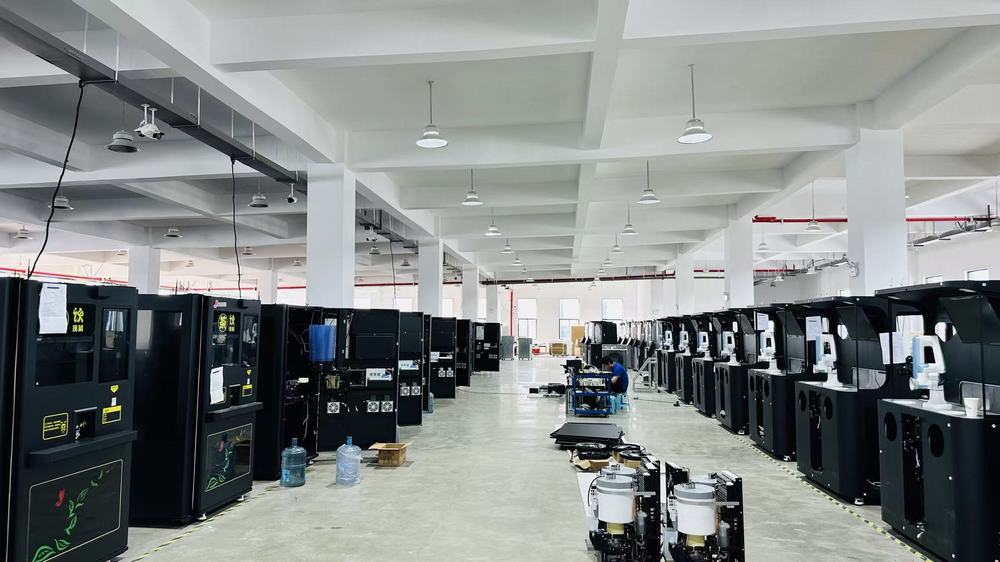
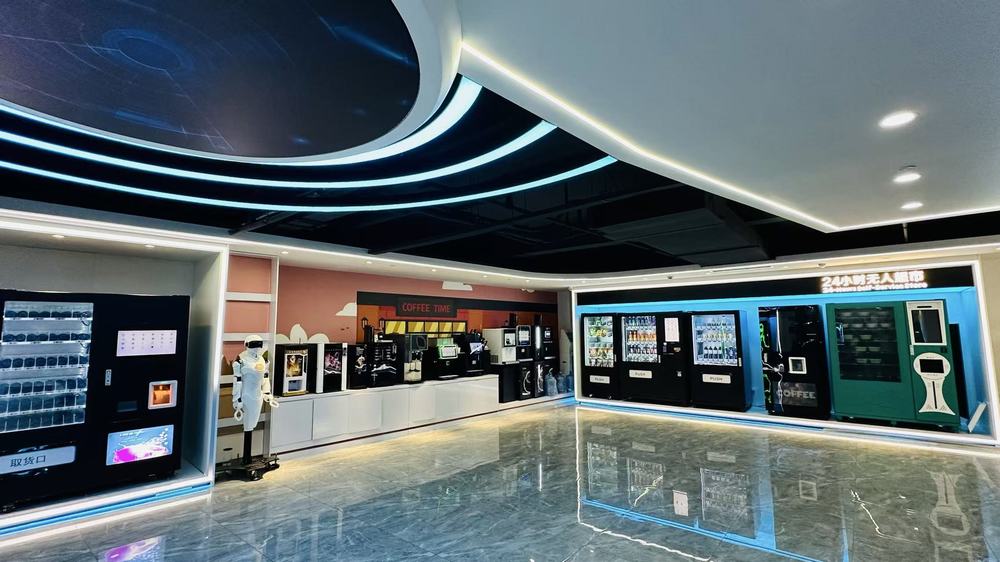
Automated Factory Floor Production for Commercial Blenders and Vending Systems

Brushless DC Motor (BLDC) Integration

Next-generation commercial blenders use brushless motor technology. These motors deliver higher torque per watt, operate quietly, and offer a lifespan up to 10 times longer than traditional universal AC motors.

SDK & Telemetry Functionality

IoT integrations allow operators to track machine health, monitor cup counts, modify recipes, and process cashless payments remotely. Our hardware supports SDK capabilities for customized mobile app integrations.

Advanced Sound Dampening

Noise control is vital for front-of-house hospitality environments. Modern industrial blender factories manufacture customized double-wall sound enclosures that lower operation noise below 65 decibels.

Factory Sourcing Intelligence & Capability Analysis
For global importers, franchise buyers, and OEM distributors, assessing factory capacity is critical. Here is a breakdown of our production facility metrics.
2007
Established Since
32,496m²
Floor Space
134,000
Annual Unit Output
19+ Yrs
Export Experience

Strict Quality Assurance & Production Management

To ensure reliable performance in high-traffic commercial environments, our production lines operate under strict quality management frameworks. Raw materials are fully traceable, and every single unit undergoes functional testing before packaging.
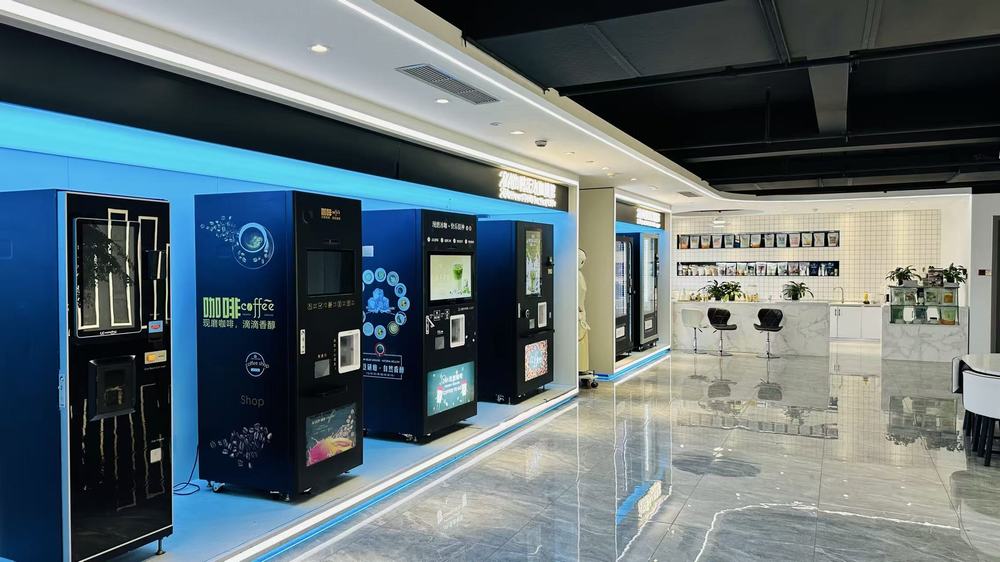
  • Complete Raw Material Traceability: Every batch of food-grade stainless steel blades and high-torque motors is tracked back to its source.
  • Comprehensive Inspection: All products are inspected on-line to prevent out-of-box failures.
  • Design Customization: Light customization, customized-on-demand designs, and sample processing are handled by our in-house engineering team.
  • Global Compliance & Certifications: Built and certified to ISO 9001, ISO 14001, and IEC 60335 electrical standards.
Evaluation Parameter Factory Capabilities & Certifications B2B Sourcing Value
Certifications ISO 9001 (NOA1827667), ISO 14001 (NOA1998653), IEC 60335 (SHES200701263401-M3) Guarantees electrical safety compliance for import into EU, US, and regional markets.
Production Infrastructure 6 Active Assembly Lines | 134,000 Units Annual Capacity Enables fast lead times for high-volume distributors and restaurant chains.
R&D Staff Strength 15 Dedicated Engineers (all holding graduate degrees) | 7 New Products Launched Annually Enables fast-turnaround ODM/OEM projects and firmware updates for IoT systems.
Quality Control (QC) 14 Full-time QA/QC Inspectors | 100% End-of-Line Verification Reduces return rates and warranty service costs for commercial operators.
Export Background 19 Years Sourcing & Exporting | Main Markets: Southeast Asia (35%), Domestic (20%), North America (10%) Experienced in handling global trade logistics, custom clearings, and regional voltage standards.
Technological Roadmap & Future Outlook
The convergence of mechanical blending, IoT, and automated dispensing technologies.

Key Technological Advancements (2025–2028)

Commercial equipment must evolve to meet modern smart kitchen standards. Our technical roadmap highlights three key areas of innovation:

  • Adaptive Blending Controls: Sensors analyze the resistance against blender blades in real time, adjusting motor speeds to handle frozen ingredients efficiently while preventing motor strain.
  • Closed-Loop CIP (Clean-In-Place) Systems: Eliminating the need to disassemble blenders and vending components. High-pressure spray systems sanitize mixing chambers automatically between cycles, satisfying food-safety regulations.
  • Universal Protocols: Moving beyond simple hardware, our newer lines support MDB (Multi-Drop Bus) communication protocols and advanced SDK APIs. This simplifies integration with cashless payment terminals, robotic service arms, and localized UI software.
Custom OEM/ODM Solutions for Specific Use Cases
Providing customized industrial configurations tailored to different business models.

Hotel & Catering Operations

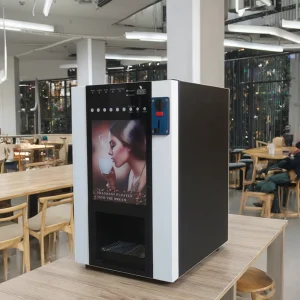
High-capacity blending stations and automatic dispensers built for speed and durability. These systems help breakfast bars and buffet lines serve guests quickly while maintaining consistent food safety.

Franchise Chains & QSRs

Programmed recipe systems ensure consistent texture and portion size across thousands of retail outlets. Simplifies training for entry-level kitchen staff.

Unmanned Automated Retail

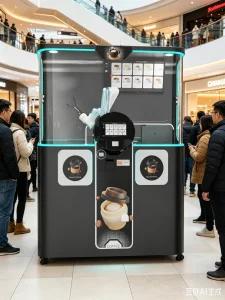
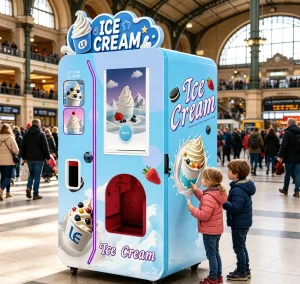
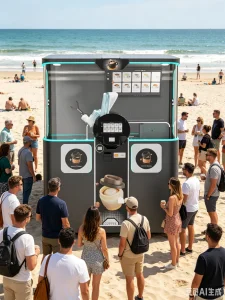
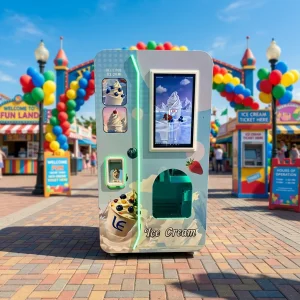
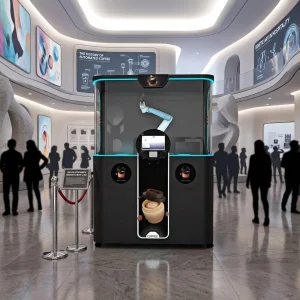
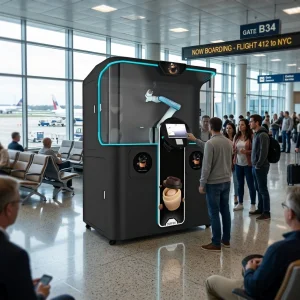
Robotic-arm systems and touch-screen kiosks designed for gas stations, corporate offices, and smart convenience stores. Fully automated, cashless, and operational 24/7.

Industry Sourcing FAQ
Expert technical insights to help purchasing managers, wholesale distributors, and brand owners make informed buying decisions.
What core certifications should I verify when importing commercial food prep hardware? +
For global imports, verify certifications like IEC 60335 (electrical safety for household and commercial appliances), ISO 9001 (quality management systems), and ISO 14001 (environmental management). If importing to Europe, CE marks and RoHS compliance are required. For North America, look for UL 763 or NSF/ANSI standards for sanitation and safety.
How do brushless DC (BLDC) motors compare to AC carbon-brush motors in commercial blenders? +
Brushless DC (BLDC) motors offer significant advantages for commercial kitchens. Because they do not rely on carbon brushes, they produce less heat, operate much more quietly, and eliminate mechanical wear and tear. This design improves motor longevity, delivers higher starting torque for crushing ice, and lowers overall energy consumption.
What customization options (OEM/ODM) does the factory provide? +
We offer light customization, custom design-on-demand, sample processing, and graphic customization. This includes custom branding, custom housing designs, modified blade assemblies, customized control panels, and unique firmware or software features to meet your market's needs.
What is SDK integration in automated drink dispensing systems, and how is it used? +
An SDK (Software Development Kit) allows third-party programmers to connect the machine's hardware to custom software interfaces. This lets operators link the dispensing system to mobile apps, customer loyalty systems, custom payment gateways, or robotic-arm kiosks for a fully integrated, automated retail experience.
How does the factory maintain quality control and traceability for high-volume orders? +
With 14 dedicated QA/QC inspectors across 6 production lines, we inspect every product before it leaves the facility. All raw materials are tracked to maintain strict material trace records. Testing includes electrical load verification, high-pressure liquid containment tests, and electronic controller diagnostics.
What are the typical lead times and shipping capabilities for international B2B buyers? +
Leveraging 19 years of export experience, we handle shipments to key markets globally, including Southeast Asia and North America. Production lead times typically range from 25 to 45 days, depending on customization levels. Standard port delivery, customs clearance documentation, and multi-voltage packaging (220V/110V) are standard options.
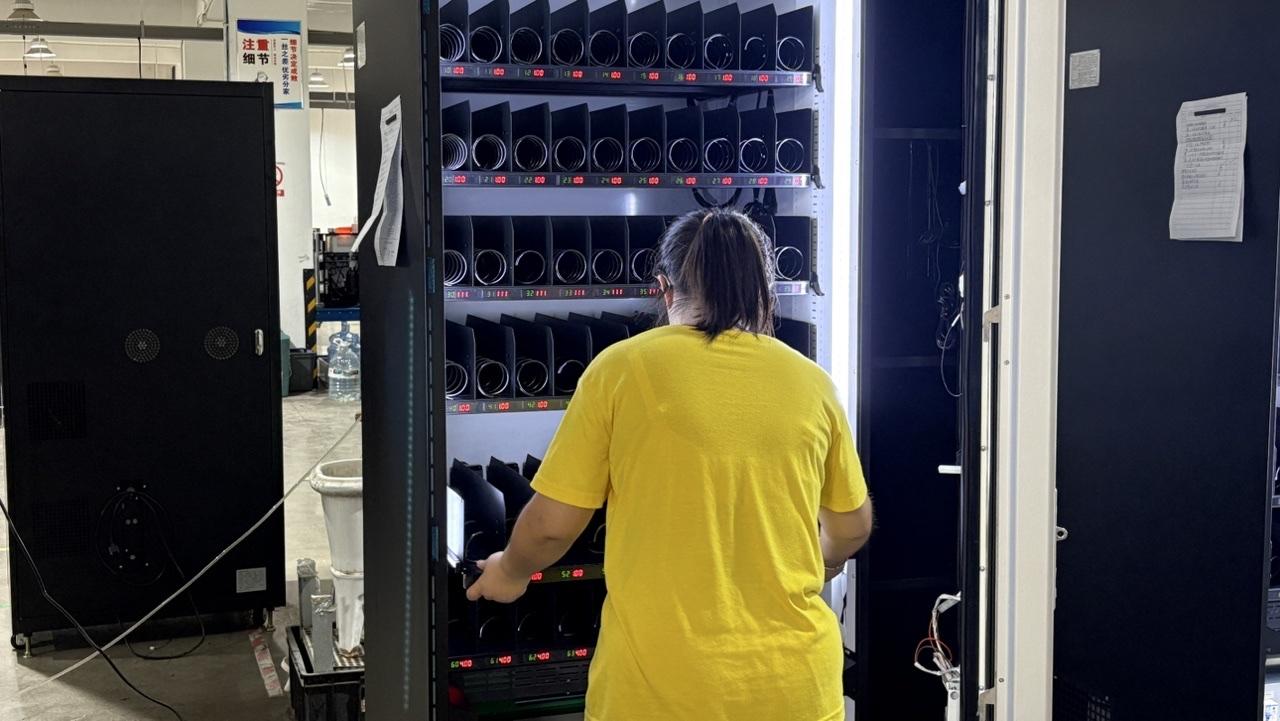
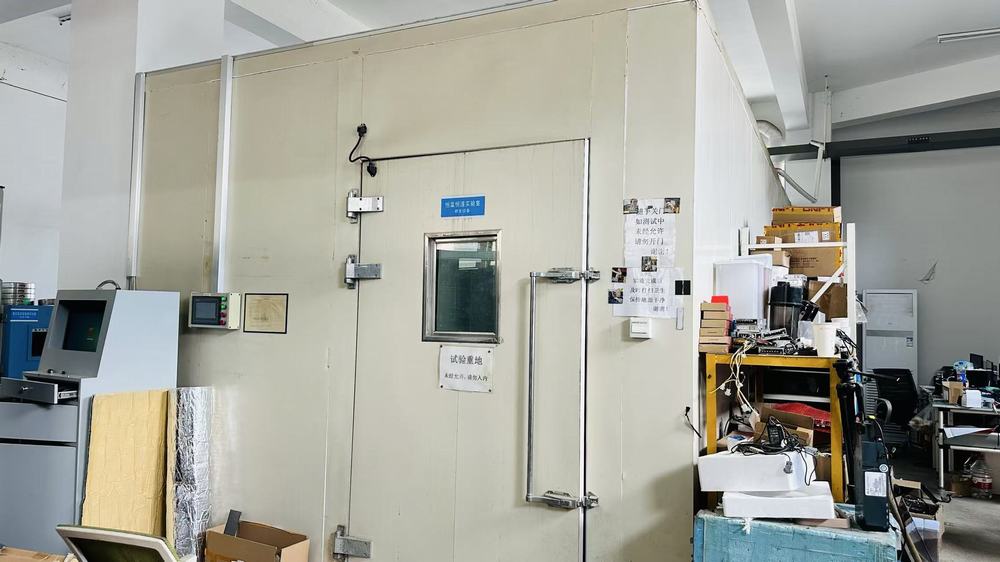
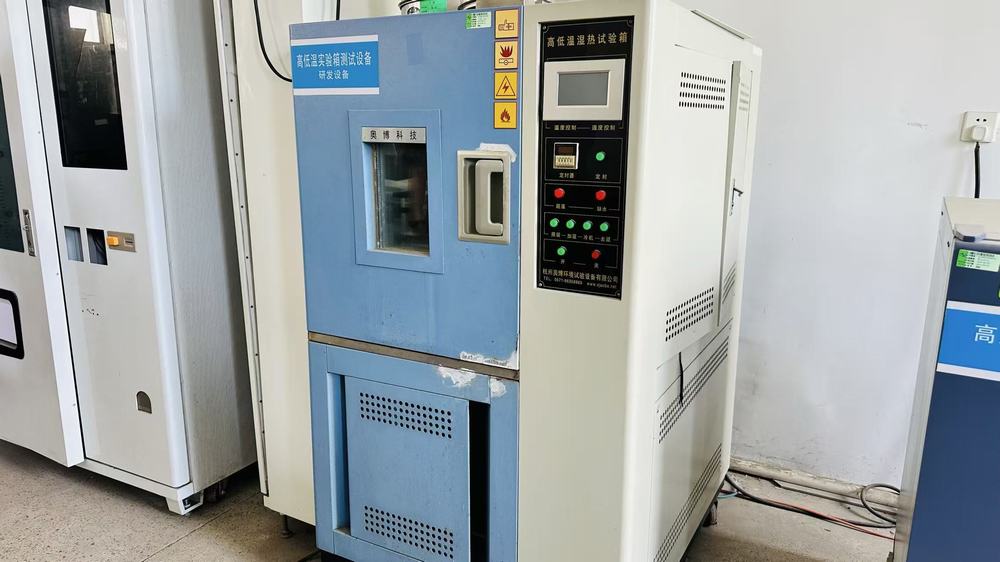
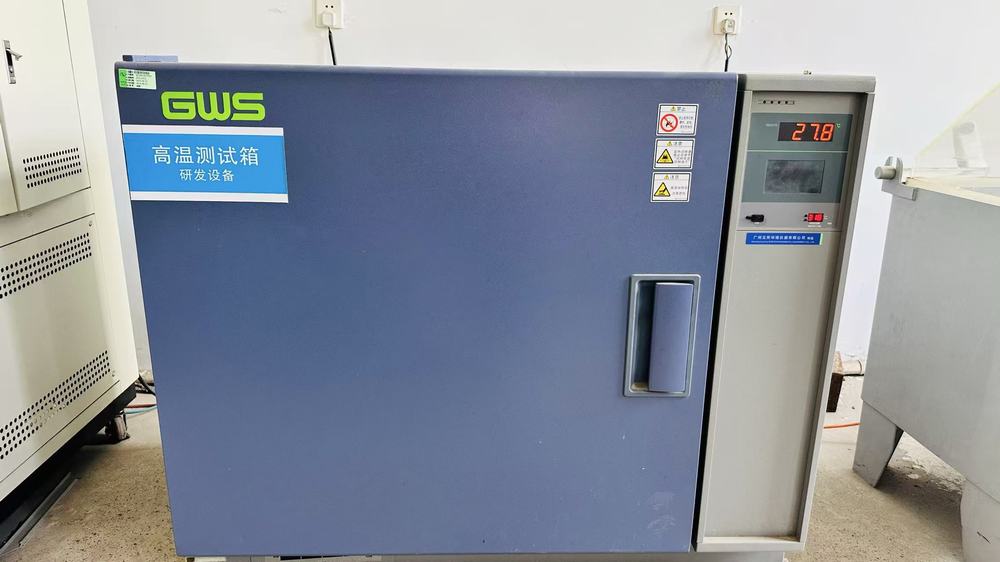
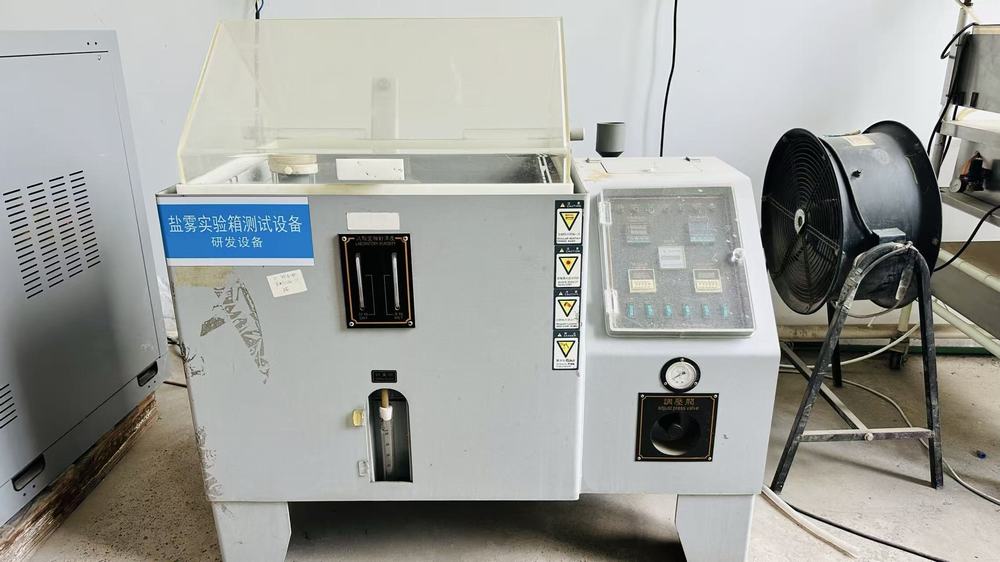
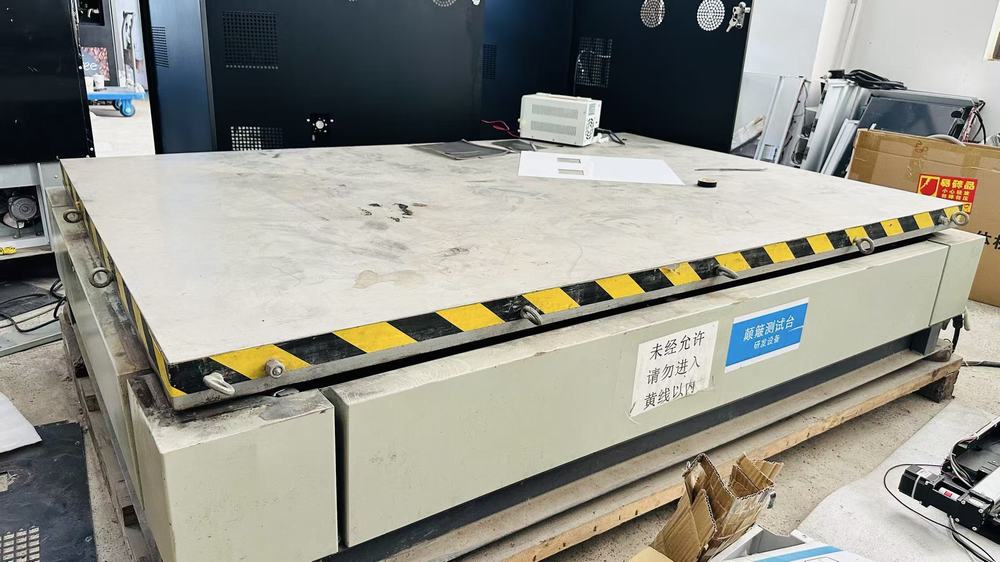
Factory & Machinery Visual Verification

Direct photographic verification of our physical assembly terminals, test benches, and product development workshops.
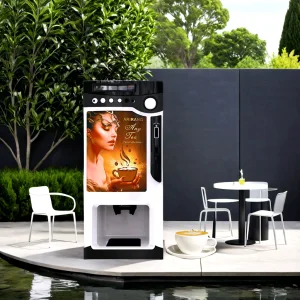
Automated Testing Bench
Technician Calibrating Dispensing Gear